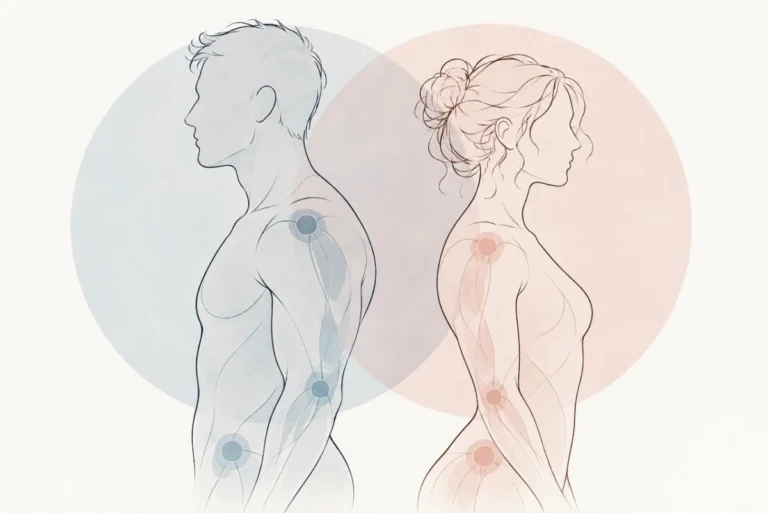
In an era where the medical community is grappling with the complexities of chronic pain management and the systemic risks associated with long-term opioid reliance, the Southwest Florida (SWFL) Pain Center has emerged as a beacon of clinical innovation. By synthesizing cutting-edge surgical precision with a patient-centric, "high-touch" philosophy, the center is fundamentally altering the landscape of how patients in Florida—and beyond—interact with pain mitigation strategies.
The mission is simple yet ambitious: to reduce or eliminate chronic pain by targeting the root cause, rather than merely masking the symptoms. By moving away from traditional pharmaceutical reliance and toward interventional techniques, the SWFL Pain Center is proving that a pain-free lifestyle is not just an aspiration, but a medically achievable outcome.
The Core Philosophy: High-Tech Meets High-Touch
At the heart of the SWFL Pain Center’s success is a dual-pronged approach that the facility characterizes as "high-tech meets high-touch." This philosophy recognizes that while advanced imaging and surgical intervention provide the structural solution to pain, the patient’s psychological and emotional experience is equally vital to recovery.
Advanced Diagnostics and Precision Intervention
The center utilizes a suite of state-of-the-art diagnostic tools that allow physicians to pinpoint the exact origin of discomfort. Unlike conventional practices that might rely on broad-spectrum diagnostic guesses, the SWFL Pain Center employs advanced imaging to map the musculoskeletal and neurological pathways involved in a patient’s unique pain profile.
By utilizing technologies such as fluoroscopy-guided injections and ultrasound-guided procedures, the medical team achieves a level of precision that minimizes tissue trauma and maximizes therapeutic outcomes. This precision is the cornerstone of their "interventional" approach, which seeks to interrupt pain signals or repair damaged structures before they can dictate a patient’s quality of life.
Chronology of Innovation: The Evolution of Interventional Pain Management
The journey of the SWFL Pain Center reflects the broader evolution of the pain management field over the last two decades.
- The Pre-Interventional Era: Historically, pain management was dominated by oral medications—specifically analgesics and opioids. While effective for acute trauma, these treatments often proved inadequate for chronic conditions, leading to tolerance, dependency, and systemic side effects.
- The Shift toward Intervention: As imaging technology matured in the early 2000s, practitioners began to see the potential for direct, site-specific treatment. The SWFL Pain Center adopted these early, groundbreaking surgical techniques, positioning themselves as early adopters of spinal cord stimulation (SCS) and radiofrequency ablation.
- The Integration of Surgical Suites: Recognizing the friction inherent in referring patients to hospitals for minor procedures, the center established on-site, state-of-the-art surgical suites. This shift allowed for a "one-stop" model of care, where diagnostics, consultation, and intervention occur within a consistent, controlled environment.
- The Modern Standard: Today, the center stands as a model for the "interventional" standard of care, where the focus is entirely on physical mitigation of pain without the need for systemic drugs.
Supporting Data: The Efficacy of Non-Pharmacological Treatment
The efficacy of the SWFL Pain Center’s methodology is rooted in the success rates of the specific procedures they champion. Clinical literature increasingly supports the shift toward interventional techniques over traditional pharmacological management.
Key Procedures and Their Clinical Value:
- Radiofrequency Ablation (RFA): This procedure uses thermal energy to disrupt nerve conduction, effectively "turning off" the pain signals from specific spinal joints. Studies indicate that for patients with facet joint syndrome, RFA provides significant, long-term relief where physical therapy alone often fails.
- Spinal Cord Stimulation (SCS): A revolutionary approach for chronic nerve pain. By placing electrodes near the spinal cord, physicians can replace pain signals with a mild tingling sensation. For patients who have failed back surgery, SCS has been life-changing.
- Discography: A diagnostic powerhouse that allows surgeons to identify the specific intervertebral discs causing pain, ensuring that any subsequent surgical intervention is targeted and effective.
- Fluoroscopy/Ultrasound-Guided Injections: By utilizing real-time video guidance, clinicians can deliver anti-inflammatory medication directly into the epidural space or joint capsule, bypassing the digestive system and ensuring maximum concentration of medication at the site of inflammation.
Data suggests that by targeting the site of the injury directly, patients report a lower dependency on NSAIDs and narcotics, which in turn reduces the risk of gastrointestinal, renal, and neurological complications.
Official Responses: The Clinical Perspective
According to the leadership at the SWFL Pain Center, the shift in patient outcomes is largely due to the "aggressiveness" of their approach. Rather than managing pain as a permanent state, the clinicians view pain as a clinical problem to be solved.
"Our goal is to create a personal treatment path that successfully leads you to the pain-free life you deserve," the center states in its mission documentation.

This professional stance is echoed by the patient testimonials often featured in Harborstyle Magazine, which frequently highlights the center’s "artistic atmosphere." This mention of an artistic, soothing environment is not merely an aesthetic choice; it is a clinical one. The "High-Touch" element of their philosophy recognizes that a sterile, intimidating medical environment can exacerbate the physical perception of pain. By curating a calming space, the center lowers the patient’s cortisol levels, potentially enhancing the body’s natural response to surgical interventions.
Implications: The Future of Chronic Pain Treatment
The implications of the SWFL Pain Center’s model extend far beyond the borders of Southwest Florida. As the medical community faces a nationwide crisis concerning pain medication, facilities that prove the efficacy of interventional medicine serve as a roadmap for the future of healthcare.
1. Reducing the Opioid Burden
The most significant implication of the center’s work is the reduction in opioid utilization. By offering viable, successful alternatives, the center provides patients with a path out of the cycle of dependency. This has profound implications for public health, potentially saving lives and reducing the burden on emergency services.
2. Streamlining Healthcare Delivery
The on-site surgical suite model serves as an efficiency template. By removing the bureaucratic and logistical hurdles of traditional hospital-based surgery, the center minimizes the time between diagnosis and relief. This agility is vital for chronic pain patients, whose mental health often deteriorates alongside their physical condition.
3. Improving Patient Quality of Life
Ultimately, the goal is functional restoration. Chronic pain is a debilitating condition that affects employment, family life, and social participation. By restoring mobility and eliminating the constant distraction of pain, the SWFL Pain Center is not just treating a physical ailment; they are restoring the patient’s ability to participate in their own life.
4. A New Standard for Private Practices
The success of this center proves that private, specialized clinics can provide a level of technological sophistication once reserved for large academic medical centers. This decentralization of high-end care allows for more personalized, attentive, and efficient treatment delivery.
Conclusion
The Southwest Florida Pain Center stands as a testament to the power of modern medical innovation when it is paired with a deeply empathetic approach to patient care. By mastering the balance between complex surgical intervention and the human need for a soothing, supportive environment, they have created a model of excellence.
As we move forward, the lessons learned at the SWFL Pain Center will likely become the gold standard. In a world where patients are tired of "managing" their pain, this center offers a different vision: one where the root cause is identified, the intervention is surgical and precise, and the end result is the restoration of a life lived without the shackles of chronic discomfort.
For those navigating the often-confusing world of pain management, the SWFL Pain Center represents a clear, proven path forward—a path that prioritizes the patient’s future over the industry’s status quo. Through the lens of high-tech precision and high-touch care, the dream of a pain-free life is no longer just a hope; it is a reality.