








Pancreatic cancer has long been considered one of the most formidable adversaries in oncology. Characterized by a dense, immune-suppressive environment that effectively "cloaks" tumors from the body’s natural defenses, it has remained stubbornly resistant to the wave of immunotherapy advancements that have revolutionized the treatment of melanoma, lung cancer, and other malignancies.
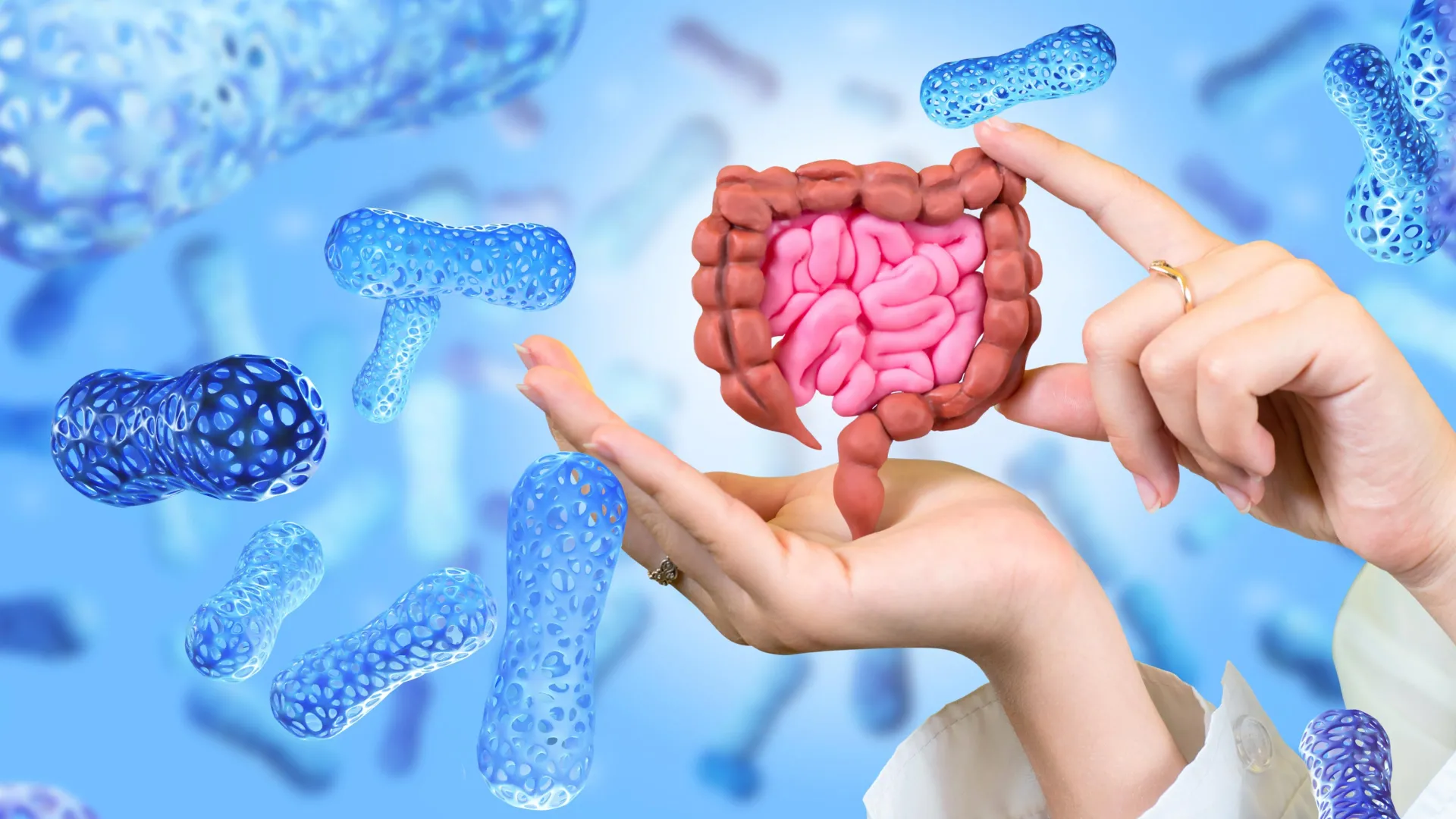
However, a groundbreaking study published in Science Advances by researchers at the University of Chicago may have finally identified a way to breach this defensive perimeter. By repurposing a common probiotic—Bifidobacterium longum—into a precision-guided "microscopic drug factory," scientists have developed a method to deliver potent immune-stimulating therapies directly into the heart of pancreatic tumors. This innovative approach, dubbed "BifidoSumIL-2," represents a significant leap forward in the field of synthetic biology and cancer immunotherapy, offering a glimmer of hope for patients facing one of the most aggressive forms of the disease.
The Core Challenge: Penetrating the "Cold" Tumor Microenvironment
To understand the magnitude of this development, one must first understand the nature of pancreatic ductal adenocarcinoma (PDAC). Unlike "hot" tumors, which are infiltrated by immune cells, pancreatic tumors are notoriously "cold." They construct a complex, fibrous architecture known as the tumor microenvironment (TME). This TME acts as a physical and chemical barrier, preventing T cells—the immune system’s frontline soldiers—from infiltrating the tumor and launching a lethal attack.
Conventional immunotherapy, such as checkpoint inhibitors, often fails in this setting because the T cells simply cannot reach the tumor, or if they do, they are quickly deactivated by the suppressive chemical signals emitted by the cancer cells. Furthermore, systemic delivery of powerful immune-stimulating cytokines, such as interleukin-2 (IL-2), has historically been a double-edged sword. While IL-2 can invigorate T cells, administering it throughout the body often leads to severe, life-threatening side effects, including systemic inflammation and the unintended stimulation of regulatory T cells that actually inhibit the anti-tumor response.
Chronology: From Concept to Microscopic Factory
The development of BifidoSumIL-2 was not an overnight success but the culmination of a multi-year, interdisciplinary effort.
Phase I: Theoretical Framework (2018–2020)
The research team, led by Dr. Ralph Weichselbaum and Dr. Mark Mimee, began by identifying the inherent properties of Bifidobacterium longum. As an obligate anaerobe, the bacterium thrives only in environments devoid of oxygen. Because solid tumors—particularly pancreatic tumors—often outgrow their blood supply, they create hypoxic (low-oxygen) pockets that are toxic to healthy tissue but hospitable to these specific bacteria.
Phase II: Synthetic Engineering (2020–2023)
The team faced a significant hurdle: how to get the bacteria to produce a cancer-killing agent without triggering systemic toxicity. They engineered a modified version of IL-2, termed "SumIL-2." This protein was specifically designed to activate CD8+ T cells (the "killers") while minimizing the activation of regulatory T cells (the "brakes"). The challenge lay in the genetic manipulation of Bifidobacterium, an organism far more recalcitrant to laboratory engineering than the standard E. coli. The team spent years developing the genetic tools necessary to ensure the bacteria could reliably express the SumIL-2 protein once inside a tumor.
Phase III: Preclinical Validation (2023–2025)
With the engineered strain functional, the team proceeded to animal models. The results were striking: upon systemic injection, the bacteria were naturally cleared from healthy, oxygen-rich tissues, but successfully colonized the hypoxic tumor sites. Once settled, they acted as localized factories, secreting SumIL-2 directly into the tumor core.
Supporting Data: Efficacy and Synergistic Potential
The data generated from the animal trials provides a compelling case for the viability of this platform. In controlled studies, mice treated with BifidoSumIL-2 showed a marked reduction in tumor growth rates compared to control groups. More importantly, the therapy successfully reconfigured the TME. Analysis of the tumor tissue revealed an influx of active CD8+ T cells, suggesting that the bacteria had effectively "warmed up" the tumor, making it visible and vulnerable to the immune system.
The Power of Combination Therapy
Perhaps the most promising aspect of the research is the synergy observed when BifidoSumIL-2 is paired with existing standards of care. When combined with traditional chemotherapy, radiotherapy, or anti-PD-L1 immunotherapy, the results were multiplicative rather than merely additive.
- Radiotherapy Integration: The bacteria appear to capitalize on the localized damage caused by radiation, which can further disrupt the TME.
- Chemotherapy Synergy: The therapy allowed for enhanced tumor control, significantly extending the survival rates of the subjects compared to chemotherapy alone.
- Checkpoint Inhibition: The combination with immunotherapy proved that the "bugs as drugs" approach could prime the tumor for traditional checkpoint inhibitors to work more effectively.
Official Perspectives: A Collaborative Vision
The project’s success is attributed to the integration of diverse scientific fields. Dr. Ralph Weichselbaum, Chair of Radiation and Cellular Oncology at the University of Chicago, described the project as "climbing a mountain."
"A big unmet medical need has been pancreatic cancer," said Dr. Weichselbaum. "This combination potential is one of the study’s most important findings; BifidoSumIL-2 not only works by itself—it works with radiotherapy, chemotherapy, and immunotherapy. It provides a new tactical approach to a disease that has historically been impervious to standard immunotherapy."
Dr. Mark Mimee, an Assistant Professor of Microbiology, emphasized the complexity of the engineering process. "We had to bring together people who understand bacteria, people who understand tumors, and people who understand the immune system," Mimee noted. "Working with Bifidobacterium is a challenge—it’s slow-growing and genetically finicky—but the reward is a delivery system that is inherently intelligent. It knows where to go, and it knows when to stop."
Implications for the Future of Oncology
The "bugs as drugs" paradigm represents a shift toward intelligent, site-specific therapy. By moving away from "carpet-bombing" the entire body with toxic agents and toward a model of localized production, the researchers hope to usher in an era of medicine with significantly lower side-effect profiles.
Challenges Ahead
While the preclinical results are revolutionary, the journey to clinical application remains long. Future research must address several critical questions:
- Human Safety: While Bifidobacterium is generally recognized as safe (GRAS) in food products, its behavior as an engineered therapeutic agent in the human body requires rigorous clinical safety testing.
- Long-term Dynamics: Scientists must determine how long the bacterial colonies persist within the tumor and whether the immune response can be sustained over time without inducing chronic inflammation.
- Delivery Methods: While the current studies rely on injection, the team is exploring whether these bacteria could eventually be administered orally, which would simplify patient care and reduce the burden of treatment.
- Broader Applications: The team plans to investigate whether this platform can be combined with next-generation therapies, such as KRAS inhibitors, which target specific mutations prevalent in pancreatic cancer.
The Path to the Clinic
The study, supported by the Ludwig Foundation and the National Institutes of Health, highlights the University of Chicago’s commitment to translational medicine. As the institution prepares to open the AbbVie Foundation Cancer Pavilion in April 2027, the focus on integrating advanced diagnostics with novel interventions like BifidoSumIL-2 positions the facility at the vanguard of modern oncology.
In conclusion, while we remain in the early stages of this technology, the ability to turn a benign probiotic into a precision-guided weapon against pancreatic cancer represents a significant milestone. If these results can be translated to human patients, it could redefine the standard of care for one of the deadliest cancers, proving that sometimes, the most effective tools for saving lives are found in the most unexpected places—even within the bacteria that live among us.