











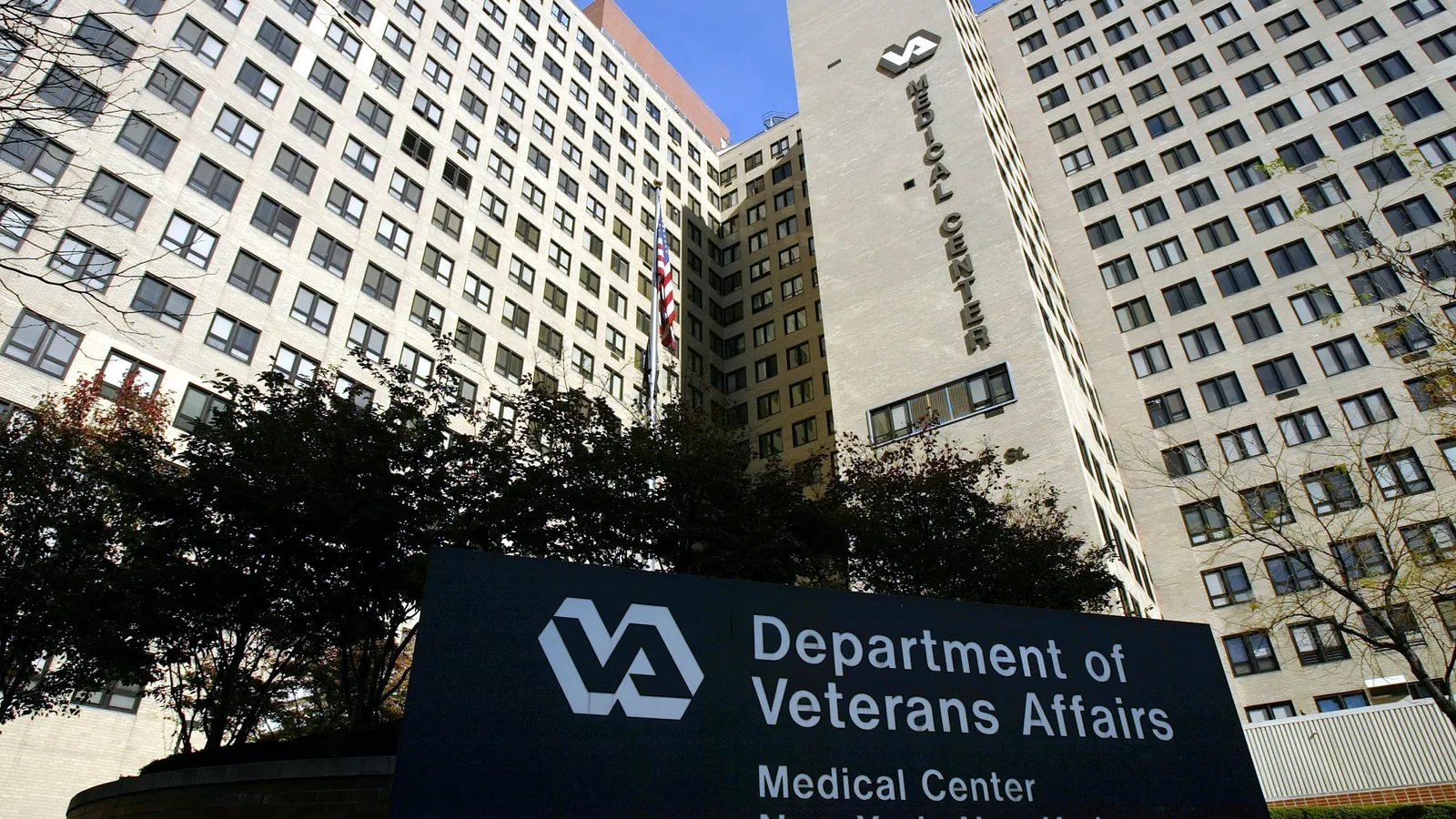
The Department of Veterans Affairs (VA) has announced a significant strategic pivot in its digital healthcare infrastructure, selecting telehealth provider Amwell to bolster its virtual care delivery systems. This partnership arrives at a pivotal moment for the federal agency, which continues to grapple with the complexities of its long-running, multi-billion-dollar electronic health record (EHR) modernization project. As the VA seeks to stabilize its digital backbone, the integration of Amwell’s platform represents a targeted effort to improve interoperability and cybersecurity for the millions of veterans who increasingly rely on remote care.
Main Facts: A Strategic Partnership for Digital Health
The selection of Amwell by the Department of Veterans Affairs is not merely a vendor procurement; it is a calculated effort to modernize the patient-provider interface. According to the VA, the decision to partner with Amwell was reached after a rigorous vetting process that scrutinized the company’s ability to meet stringent federal interoperability standards and cybersecurity protocols.
For the VA, ensuring that a virtual health platform can "talk" to existing legacy systems—and the nascent, yet troubled, Oracle-Cerner EHR—is the primary technical hurdle. Amwell’s established presence in the federal sector, particularly its success in streamlining virtual care for the Military Health System (MHS), made it a frontrunner for the contract. By integrating Amwell’s virtual health suite directly into the VA’s digital ecosystem, officials hope to provide a more seamless user experience that bridges the gap between in-person clinical visits and remote consultations.
Chronology of a Growing Digital Reliance
The trajectory of telehealth within the VA has been defined by rapid acceleration, particularly in the post-pandemic era.
- 2018: The VA launches its ambitious Electronic Health Record Modernization (EHRM) program, initially partnering with Cerner (later acquired by Oracle). The goal: to create a single, unified longitudinal health record for every veteran.
- 2020: The EHR rollout encounters early friction. By the end of the year, only six of the 170 VA medical centers have successfully transitioned to the new system. Reports of outages and technical glitches begin to mount.
- 2023: The Department of Defense (DoD) awards a $180 million contract to Amwell and technology partner Leidos. The initiative aims to digitize care delivery across the Military Health System.
- August 2025: Following the successful replacement of the MHS’s legacy "Video Connect" solution with Amwell’s platform, the DoD extends the contract, signaling confidence in the platform’s reliability.
- Late 2025: The VA, observing the success of the MHS implementation, formally selects Amwell to enhance its own telehealth capabilities, further linking the health systems of the DoD and the VA.
- Present Day: Lawmakers move to subpoena Oracle executives as the costs of the EHRM project climb to $27 billion, forcing the VA to look toward agile, specialized partners like Amwell to maintain service quality while the foundational record system remains in flux.
Supporting Data: The Veteran Preference for Virtual Care
The demand for this modernization is driven by clear utilization trends. According to recent estimates from the VA, telehealth has transitioned from a temporary pandemic-era convenience to a cornerstone of veteran healthcare.
In fiscal year 2025, more than 2.9 million veterans participated in telehealth visits, marking a 10% increase over the previous year. Perhaps more importantly, internal surveys suggest high levels of patient satisfaction, with over 91% of veterans reporting positive experiences with VA telehealth services.
This data highlights a critical challenge for the agency: the infrastructure supporting these visits must keep pace with the volume. While the overall EHR project faces scrutiny for its lack of progress, the telehealth component represents a "bright spot" of functional digital health. By offloading the telehealth interface to a specialized provider like Amwell, the VA is effectively decoupling the patient experience from the struggling backend of the EHR, allowing veterans to receive care without being hindered by the system’s broader modernization delays.
Official Responses and Political Pressure
The VA’s decision to engage with Amwell has occurred against a backdrop of intense Congressional scrutiny regarding the agency’s fiscal management. The EHRM project, once touted as a panacea for the fragmentation of veteran records, has become a lightning rod for criticism.
Lawmakers have expressed deep frustration with the project’s ballooning costs and persistent technical failures. The recent move by Congress to subpoena Oracle executives underscores the gravity of the situation. With the contract ceiling for the EHR modernization raised to a staggering $27 billion, the patience of both the legislature and the public is wearing thin.
In response to the mounting pressure, the VA has emphasized that its partnership with Amwell is a pragmatic solution designed to ensure that frontline services—such as mental health and primary care—are not compromised by the overarching IT struggles. Department spokespeople have maintained that while the EHR modernization remains a long-term goal, the immediate priority is to provide a reliable, secure platform for virtual care, which Amwell is uniquely positioned to deliver.
Implications: The Future of Federal Healthcare IT
The implications of this partnership are twofold: they reflect the changing nature of federal procurement and the ongoing evolution of the VA as a healthcare provider.
1. The "Best-of-Breed" Approach
The VA’s move suggests a shift away from a "single-vendor-solves-all" mentality. By integrating specialized solutions like Amwell into a broader, yet currently unstable, EHR architecture, the VA is adopting a "best-of-breed" strategy. This approach acknowledges that while the central record system is essential, individual clinical functions—such as telehealth, pharmacy management, and imaging—can be managed by agile, specialized vendors. This may signal a permanent change in how the VA approaches future technology contracts.
2. Interoperability as the New Standard
The criteria for selecting Amwell—specifically its interoperability capabilities—show that the federal government has learned from the failure of early EHR rollouts. Future contracts will likely prioritize the ability of software to integrate seamlessly with existing systems over proprietary lock-in models. The success or failure of the Amwell integration will likely serve as a litmus test for whether the VA can successfully "plug and play" modern applications into its complex, legacy-heavy environment.
3. The Human Cost of Technical Delay
Ultimately, the primary implication is for the veteran. Every delay in the EHR modernization project translates to administrative burden, potential errors in medical history, and frustration for clinicians. By bolstering the telehealth experience, the VA is attempting to insulate the veteran from the administrative chaos of the EHR project. However, this is a stopgap measure; until the fundamental issue of a unified health record is resolved, the VA will continue to face the dual challenge of managing a massive, expensive IT project while trying to maintain world-class patient care.
Conclusion
The partnership with Amwell is a strategic necessity for a department struggling to modernize its digital footprint. By leveraging the lessons learned from the Department of Defense’s successful telehealth rollout, the VA is attempting to stabilize a critical touchpoint for its 2.9 million virtual-care-using veterans.
However, as lawmakers continue to push for accountability regarding the $27 billion spent on the Oracle EHR project, the Amwell contract may soon be seen as either a successful model for future integration or another layer of complexity in a system that remains fundamentally difficult to navigate. For now, the focus remains on ensuring that when a veteran logs on for a virtual appointment, the system works—regardless of the turbulence occurring in the background of the federal IT infrastructure. As the VA moves forward, the success of this integration will be measured not just by technical benchmarks, but by the ability to maintain the trust and health of the men and women who rely on its services.