










In the landscape of modern medicine, we have long treated the heart, the kidneys, and the metabolic system—the body’s engine for processing energy—as separate, compartmentalized entities. However, a groundbreaking shift in medical consensus is underway. A new, comprehensive health framework known as Cardiovascular-Kidney-Metabolic (CKM) syndrome has emerged, and while it affects nearly 90% of the U.S. adult population, a new survey reveals that public awareness remains dangerously low.
As the American Heart Association (AHA) works to redefine how we view chronic disease, the message is clear: the siloed approach to health is failing. By viewing these systems as a singular, interconnected unit, medical professionals hope to stave off an impending wave of heart attacks, strokes, and renal failure.
The Main Facts: Defining the CKM Framework
At its core, CKM syndrome is not a single disease, but a clinical classification of the dangerous intersection between heart disease, kidney disease, diabetes, and obesity. For decades, patients have been diagnosed with these conditions individually. A patient might see a cardiologist for high blood pressure, an endocrinologist for type 2 diabetes, and a primary care physician for weight management.
Under the CKM model, these are no longer seen as coincidental comorbidities. Instead, they are viewed as manifestations of a unified systemic dysfunction. The "syndrome" aspect refers to the compounded risk that occurs when these health markers—high blood pressure, abnormal cholesterol, elevated blood glucose, excess adiposity, and diminished kidney function—begin to cluster.
Research indicates that when these risk factors exist in tandem, they create a synergistic effect. The risk of major adverse cardiovascular events (MACE), such as heart attack or heart failure, increases exponentially compared to the risk posed by any one of these conditions in isolation. The most alarming takeaway from recent data is the sheer prevalence of these factors: nearly 90% of American adults carry at least one of these markers, placing the vast majority of the population somewhere on the spectrum of CKM risk.
Chronology of a Health Initiative
The road to recognizing CKM syndrome as a formal health crisis has been a multi-year effort spearheaded by the American Heart Association.
- 2023-2024: The AHA officially introduces the CKM Health Initiative, a strategic pivot toward holistic, interdisciplinary care. Medical experts begin publishing foundational papers arguing that the biological crosstalk between the heart, kidneys, and metabolism is so profound that current diagnostic categories are insufficient.
- August 2025: The Harris Poll, acting on behalf of the AHA, conducts a massive survey of 4,007 U.S. adults to gauge public literacy regarding this syndrome. The results confirm a significant "awareness gap," despite the high prevalence of the condition.
- Early 2026 (Forthcoming): The AHA is scheduled to release its first-ever set of formal clinical guidelines specifically focused on the management and treatment of CKM syndrome. This will provide physicians with a standardized roadmap for integrated patient care.
Supporting Data: The Anatomy of a Survey
The survey conducted in August 2025 provides a snapshot of the disconnect between personal health reality and medical knowledge. With 4,007 participants weighted across demographics—including age, gender, race, income, and region—the data is statistically robust, carrying a margin of error of approximately ±2.0 percentage points.
The findings highlight a paradox: while the majority of Americans have at least one risk factor, the term "CKM syndrome" is largely absent from their vocabulary. However, the survey offered a glimmer of optimism. When the concept was explained to respondents, nearly three-quarters acknowledged that the connection between these systems was intuitively important and expressed a strong desire to learn more about how to manage their collective health.
The data underscores that the primary barrier is not a lack of interest, but a lack of accessible information. By demystifying the terminology, health advocates believe they can empower patients to take proactive steps—such as monitoring kidney function alongside blood glucose—before a chronic condition advances to a catastrophic health event.
The Mechanics of Connection: Why Systems Fail Together
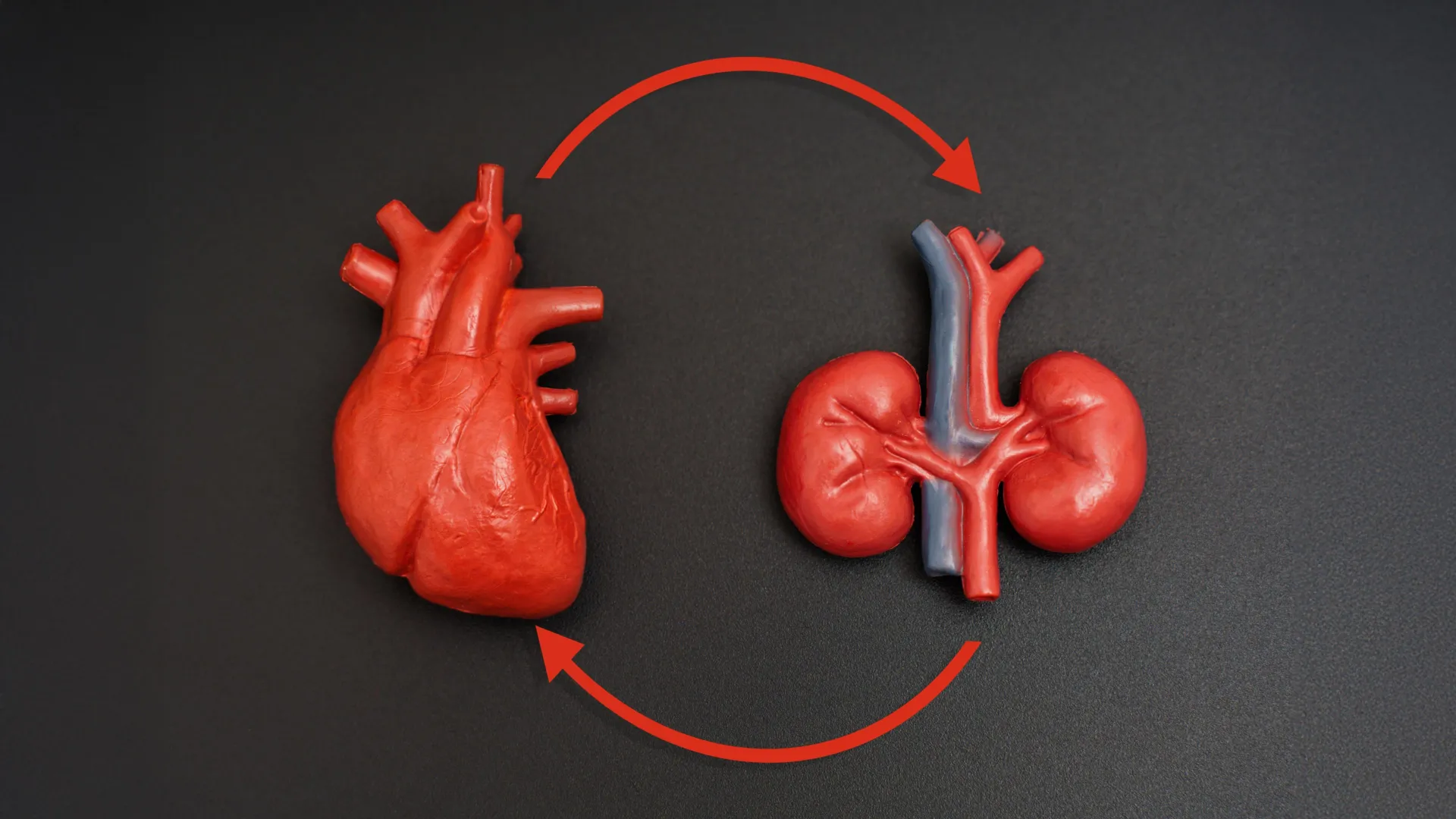
To understand CKM syndrome, one must view the body as a network rather than a machine with replaceable parts. The heart, kidneys, and metabolic system are in constant, bidirectional communication.
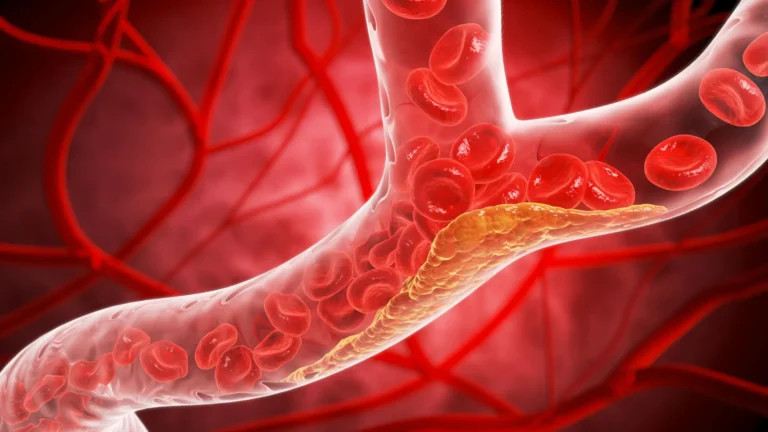
The metabolic system—which includes the pancreas, liver, and adipose tissue—regulates the body’s energy storage and usage. When this system malfunctions (often seen in obesity or insulin resistance), it releases inflammatory signals into the bloodstream. These signals directly impact the heart’s vasculature and the delicate filtration units of the kidneys.
Conversely, when the kidneys struggle to filter toxins or regulate blood pressure, the heart must work harder, leading to hypertrophy or heart failure. This "vicious cycle" means that damage to one system almost inevitably triggers a decline in the others. The AHA’s emphasis is on breaking this cycle early. Because CKM syndrome is often driven by metabolic factors, it is frequently reversible or manageable through aggressive lifestyle interventions—specifically nutritional changes and increased physical activity—paired with targeted medical therapies.
Official Responses: A Call for Coordinated Care
Eduardo Sanchez, M.D., FAHA, the American Heart Association’s chief medical officer for prevention, has been a vocal proponent of this paradigm shift.
"We want people to know that it’s really common to have heart, kidney and metabolic risk factors at the same time," Dr. Sanchez stated in the wake of the survey results. "It is reassuring that once the CKM connection was defined, nearly three-quarters of those responding understood that it was important and wanted to learn more."
For Dr. Sanchez and his colleagues, the goal is to dismantle the wall between medical specialties. "The heart, kidney, and metabolic systems are connected and, as such, should be treated in a coordinated way," he said. "These results reveal the need to emphasize those connections and help patients understand the importance of collaborative care."
This response signals a fundamental change in the patient-provider relationship. Rather than having a "heart doctor" who ignores the patient’s diabetes, or an endocrinologist who ignores the patient’s early-stage kidney disease, the CKM model encourages a "full-circle" approach to primary care.
Implications for Public Health and Future Policy
The implications of the CKM initiative are far-reaching. By shifting the focus toward a unified syndrome, the medical community aims to achieve several objectives:
1. Early Detection and Prevention
By screening for the "cluster" of symptoms rather than waiting for a single organ to fail, physicians can intervene years earlier. For instance, a patient with high blood pressure and slightly elevated blood sugar might not be viewed as "at risk" for kidney failure today, but under the CKM framework, they would be flagged for integrated, preventative treatment.
2. Standardized Clinical Guidelines
The upcoming 2026 guidelines will be a watershed moment for clinicians. Currently, there is a lack of consensus on how to prioritize treatments when a patient has multiple chronic conditions. The new guidelines will offer evidence-based protocols that balance the needs of the heart, kidneys, and metabolism simultaneously, preventing the "prescribing cascade" where one medication for one condition inadvertently harms another system.
3. Patient Empowerment and Education
The AHA has launched an online resource hub to bridge the knowledge gap identified by the Harris Poll. Through simplified videos and digital health tools, the organization is attempting to teach patients that health is a cohesive, systemic endeavor. The message of "2 truths"—that the body’s systems are inextricably linked and that holistic management is the only way to achieve long-term wellness—is intended to move the needle on public health outcomes.
4. Supporting the Healthcare Ecosystem
The initiative is bolstered by a coalition of industry partners, including founding sponsors Novo Nordisk and Boehringer Ingelheim, and supporters like Novartis, Bayer, and DaVita. This level of cross-industry collaboration suggests that the medical community recognizes the CKM framework as the future of chronic disease management.
Conclusion: Moving Toward a Full-Circle Health Model
The reality of CKM syndrome is a wake-up call. We can no longer afford to treat the heart in isolation from the kidneys or the metabolism. The 90% of U.S. adults who carry these risk factors are not just patients with individual issues; they are individuals whose internal ecosystems are under stress.
As the medical community prepares for the release of the 2026 clinical guidelines, the responsibility shifts to both healthcare providers and the public. For patients, the path forward is clear: prioritize regular check-ups that look at the "full circle"—blood pressure, cholesterol, weight, blood sugar, and kidney function. For the healthcare system, the task is to ensure that when one system struggles, the others are checked, protected, and supported. By treating the body as a whole, we move closer to a future where the most common chronic diseases are not just managed, but effectively contained.
For more information on CKM health and to access the latest educational resources, healthcare professionals and the public can visit heart.org/CKMtools.