








The global narrative of the last few years has been dominated by the biological threat of COVID-19—infection rates, hospitalizations, and the race for vaccines. However, beneath the surface of the physical health emergency, a secondary "shadow pandemic" has taken root. As the United States moves through the various phases of pandemic recovery, a mountain of empirical evidence suggests that the nation’s mental health infrastructure is facing a strain unlike any seen in modern history.
The data is clear, the numbers are worrying, and for experts in the field, the long-term outlook remains shrouded in uncertainty. From the corridors of elite research universities to the emergency departments of pediatric hospitals, the alarm is being sounded: the psychological scars of the pandemic may outlast the virus itself.
Main Facts: A Nation Under Psychological Siege
The scale of the mental health crisis is staggering when compared to pre-pandemic baselines. According to the latest findings from the COVID States Project—a massive, multi-university initiative involving researchers from Northeastern, Harvard, Northwestern, and Rutgers—the prevalence of mental health disorders has shifted from a secondary concern to a primary public health emergency.
Key findings from the ongoing research include:
- Depression Levels: Approximately 28% of Americans now report symptoms of depression severe enough to warrant clinical evaluation and treatment. While this is a slight improvement from the 30% peak recorded in December 2020, it remains nearly three times higher than the rates observed before 2020.
- Anxiety Prevalence: Anxiety rates continue to hover at 25%, a slight decline from the 28% seen during the height of the winter surges but still significantly elevated above historical norms.
- Suicidal Ideation: Perhaps most distressing is the finding that 23% of respondents—nearly one in four Americans—reported thinking of suicide at least occasionally. This metric has remained stubbornly high, showing little of the "recovery" seen in other areas.
- The Demographic Divide: The burden is not shared equally. Young adults (ages 18–24) are the most severely impacted, with 42% meeting the criteria for moderate to severe depression. In contrast, older adults (65+) appear to be the most resilient, with only 10% reporting similar levels of distress.
Chronology: From Acute Shock to Chronic Strain
To understand the current crisis, one must look at the timeline of the pandemic and how different phases of the biological emergency triggered different psychological responses.
Phase 1: The Initial Disruption (Spring 2020)
When the pandemic first hit in early 2020, the primary psychological driver was "acute stress." The sudden loss of routine, the fear of a mysterious virus, and the immediate economic shock led to a spike in anxiety. By June 2020, researchers noted that depression rates had already climbed to 25%—a "low" point for the pandemic era that would still have been considered a crisis in 2019.
Phase 2: The Winter of Despair (Late 2020)
The convergence of seasonal affective disorder, holiday isolation, and the deadliest wave of the virus led to a peak in December 2020. During this period, depression reached 30% and anxiety hit 28%. This was the "darkest hour" for American mental health, characterized by a sense of hopelessness as the pandemic stretched into its tenth month without a clear end in sight.
Phase 3: The Uneven Recovery (2021–Present)
As vaccines became available and society began to reopen, some metrics saw a marginal improvement. However, the recovery has been "sticky." The depression rate only dropped from 30% to 28%, suggesting that for many, the mental health impact has transitioned from an acute reaction to a chronic condition. This phase is defined by the "re-entry anxiety" and the realization that the world has fundamentally changed.
Supporting Data: The Vulnerability of Youth and the Pediatric Crisis
While the statistics for the general population are sobering, a deeper dive into the data reveals a catastrophic impact on the younger generation. The COVID States Project highlights a clear inverse correlation between age and depressive symptoms.
The "Dynamic Life" Hypothesis
David Lazer, a professor of political science and computer sciences at Northeastern University and a lead researcher on the project, points to the "dynamic" nature of young adulthood as a primary reason for this disparity.
"Younger adults have lives that are more dynamic than older adults," Lazer noted. "They’re finishing school, getting a job, starting a family—all things that are more likely to be disrupted by the pandemic." For a 20-year-old, a year of isolation represents 5% of their entire life and 100% of their transition into adulthood. For a 70-year-old, the social and economic foundations of life are generally more settled, providing a buffer against the chaos of the pandemic.
The Pediatric Emergency
The crisis extends even further down the age bracket into childhood and adolescence. A study published by researchers at the Children’s Hospital of Philadelphia (CHOP) in April 2021 revealed a disturbing trend in emergency department (ED) utilization.
While overall ED visits for physical injuries or common illnesses decreased as people stayed home, the proportion of pediatric patients seeking help for mental health emergencies increased significantly. Furthermore, those children who did present at the ED were more likely to require inpatient hospitalization, suggesting that the severity of the cases has intensified.
Dr. Polina Krass, a pediatrician at CHOP and lead author of the study, emphasized that the pandemic did not create these issues out of thin air but rather acted as an accelerant. "Prior to the COVID-19 pandemic, youth mental health conditions were increasing in prevalence and severity, and there were extreme shortages in access to mental healthcare," Krass stated. "COVID-19 may further exacerbate these trends."
Inequity in Access
Dr. Krass also highlighted the "stark inequities" in the system. Minority communities, which bore the brunt of the pandemic’s physical and economic toll, also face the highest barriers to mental health support. The combination of structural racism, community violence, and the disproportionate loss of caregivers in these communities has created a "perfect storm" of psychological trauma.
Official Responses: Strategies for Recovery
As the data paints a grim picture, health officials and policymakers are beginning to pivot toward long-term solutions. The response is bifurcated into two categories: individual resilience and systemic policy change.
The NIMH Perspective: Natural Recovery vs. Clinical Intervention
Susan Borja, Chief of the National Institute of Mental Health’s (NIMH) Dimensional Traumatic Stress Research Program, offers a nuanced view of the path forward. She notes that in the wake of mass disasters, "natural recovery" is the norm for the majority of the population.
"Increased symptoms exist along a continuum," Borja explained. "Many people may experience symptoms, but those symptoms may not consistently rise to the level of severity or impairment required for a diagnosis."
However, she warned that a "significant minority" will not recover on their own and will require professional intervention. To support the natural recovery process, the NIMH advocates for "active recovery," where individuals regain a sense of agency. This includes:
- Healthy Coping: Maintaining routines, exercise, and sleep hygiene.
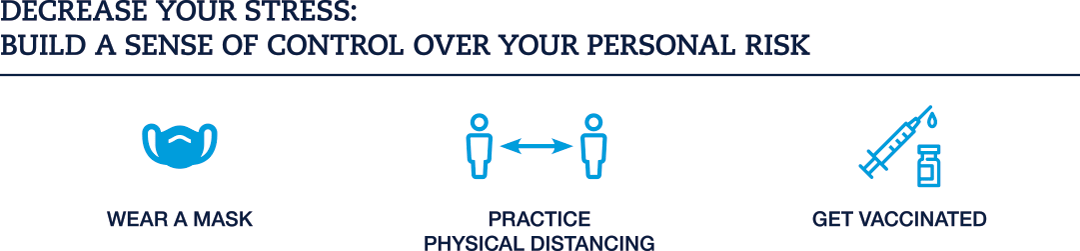
- Agency through Action: Borja suggests that practicing public health measures (vaccination, masking) can actually improve mental health by giving individuals a sense of control over their personal risk.
Legislative Action: S. 1902
On the systemic level, the "Behavioral Health Crisis Services Expansion Act" (S. 1902) represents a major legislative attempt to address the "extreme shortages" mentioned by Dr. Krass. The bill aims to:
- Establish national standards for behavioral health crisis services.
- Ensure that crisis services are available to all individuals regardless of their ability to pay.
- Fund the expansion of "988" crisis hotlines and mobile crisis teams to move mental health response away from law enforcement and toward clinical care.
Implications: The Long Road Ahead
The implications of this data suggest that the United States is at a crossroads. The pandemic has stripped away the stigma surrounding mental health, but it has also exposed a system that is woefully underfunded and understaffed.
The "Silver Lining"
If there is a positive takeaway, according to Susan Borja, it is the "increased recognition of the importance of mental health." The pandemic has forced a conversation that was previously relegated to the fringes of public health. There is now a general awareness that mental health is not a "luxury" or a "niche" issue, but a core component of national stability.
The Structural Challenge
However, awareness is not enough. For Dr. Krass and other frontline providers, the implications are clear: the nation needs a total overhaul of how it treats the mental health of its citizens. This includes:
- Funding: Drastic increases in research and clinical funding.
- Social Determinants: Addressing the root causes of distress, such as housing instability and structural racism.
- Continuum of Care: Moving beyond emergency room interventions to proactive, community-based support.
"There is a lot of work to be done," Krass added. "I hope we can leverage this moment to start to make constructive changes."
As the virus recedes from the headlines, the "shadow pandemic" remains. The 28% of Americans struggling with depression and the 42% of young adults facing a mental health crisis represent a generational challenge. Whether the U.S. responds with temporary "band-aid" solutions or fundamental structural reform will determine the nation’s psychological health for decades to come.