







In an era defined by the rapid, often chaotic proliferation of digital health information, the ability to discern evidence-based medicine from anecdotal conjecture has become a critical survival skill for patients with complex, multisystem conditions. For the Ehlers-Danlos Syndrome (EDS) community, navigating this landscape is particularly treacherous. Recognizing this urgent need, Chronic Pain Partners has announced the official relaunch of its renowned educational webinar series, a digital institution that has served as a beacon of clinical integrity for over a decade.
The initiative, which first began in 2013 under the guidance of founder John Ferman, returns on August 14, 2026, with a renewed commitment to providing free, expert-led education. By bridging the gap between cutting-edge research and patient advocacy, the series aims to restore trust in an age of AI-generated misinformation and social media echo chambers.
A Legacy of Clinical Advocacy: The Chronology of an Archive
To understand the weight of this relaunch, one must look back at the historical footprint of the Chronic Pain Partners’ library. What began in 2013 as a modest effort to provide patients with access to emerging research has matured into a comprehensive repository of 95 webinars. This archive serves as a living history of the medical community’s evolving understanding of EDS and its complex, often comorbid, systemic manifestations.
The Formative Years (2013–2015)
In the early days of the series, the focus was on breaking down the silos of mainstream medicine. In 2013, pediatric pain physician Dr. Ken Goldschneider of Cincinnati Children’s Hospital delivered the inaugural webinar, where he pointedly addressed the systemic failure of the medical establishment to recognize the intersection of "chronic pain" and "hypermobility." His presentation was a watershed moment, marking a shift toward recognizing hypermobility as a legitimate diagnostic pillar for pain management.
By 2014, the series had become a "who’s who" of pioneering clinicians. Dr. Anne Maitland utilized the platform to raise early awareness regarding the role of mast cells in EDS, a topic that has since become central to understanding systemic inflammatory responses in patients. That same year, Dr. Pradeep Chopra delivered his seminal four-part lecture series, "Connecting The Dots." These presentations did more than inform patients; they provided a foundational clinical framework for physicians who were, at the time, largely untrained in the nuances of treating connective tissue disorders.
The Middle Period: Validating the Patient Experience
Between 2016 and 2023, the archive grew to include discussions on the harmful impact of gaslighting and misdiagnosis. These webinars provided the community with more than just medical data; they provided a "clinical vocabulary." Patients began utilizing these recordings as essential tools during doctor visits, handing the metaphorical microphone to experts like Dr. Chopra or Dr. Maitland to help articulate complex symptoms to primary care physicians and specialists who were unfamiliar with the condition.
The Necessity of Reliability in the Age of AI
As the digital landscape evolves, so too does the risk of misinformation. With the rise of generative AI and the algorithmic bias of social media, patients are increasingly susceptible to "medical noise"—information that sounds authoritative but lacks clinical validation.
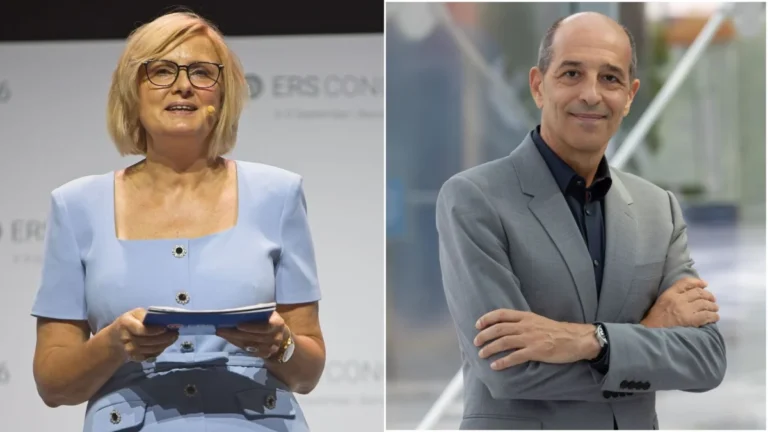
Jacqueline Teti, Editor-in-Chief and Director of Programs at Chronic Pain Partners, emphasizes that the relaunch is a direct response to this volatility. "With so much new research and so many emerging treatment options, it can be incredibly difficult for patients to know what information they can trust," Teti explains. "Patients—and physicians—need access to reliable, evidence-based information. That’s why we’re excited to relaunch our webinar series. We want to return to our roots and continue serving as a trusted educational resource for the community."
Teti underscores a core philosophy of the organization: accessibility. Despite the rising costs of medical education and professional consulting, the webinars remain free. This commitment ensures that socio-economic status does not become a barrier to health literacy, empowering every member of the community to make informed decisions about their own care.
Spotlight on Innovation: The Return Event
The relaunch officially kicks off on August 14, 2026, at 12:00 pm EDT, featuring Professor Mark S. Whiteley, a globally recognized expert in venous disease and pelvic congestion syndrome. The session, titled “Pelvic Congestion and Venous Compression Syndromes – What Do We Know, What Is Likely to Be True, and What Is Hype?” promises to address one of the most misunderstood aspects of EDS: the vascular complications that often plague patients.
Profile: Professor Mark S. Whiteley
Professor Whiteley is a pioneer in the field of phlebology. His career has been defined by his willingness to challenge traditional surgical norms.
- 1999: Performed the UK’s first endovenous varicose vein operation, marking the beginning of the end for invasive "vein-stripping" surgery.
- 2001: Invented the TRLOP (Transluminal Occlusion of Perforators) procedure.
- 2019: Became the first doctor in the UK, and only the second globally, to utilize High Intensity Focused Ultrasound (HIFU) Echo therapy for the treatment of varicose veins.
Beyond his surgical accomplishments, Professor Whiteley’s commitment to data-driven medicine is evidenced by his founding of The College of Phlebology in 2011 and the subsequent launch of the Venous Registry in 2019. By creating a database for benchmarking outcomes, he has provided a tangible resource for patients seeking surgeons who prioritize transparent, proven results.
Following the presentation, Chronic Pain Partners will host a live Q&A, allowing attendees to engage directly with Professor Whiteley, bridging the gap between high-level clinical research and the lived experience of patients suffering from venous issues.
Implications for the Future of EDS Care
The impact of this relaunch extends beyond the single webinar event. By centralizing high-quality, vetted content, Chronic Pain Partners is effectively creating a "digital second opinion" for thousands of patients.
Empowering the Physician-Patient Partnership
The series serves a dual purpose: educating the patient and empowering the doctor. When a patient arrives at an appointment armed with data-backed information from a recognized expert, the dynamic of the consultation shifts. The webinar archive transforms from a collection of videos into a collaborative tool, helping to reduce the time-to-diagnosis and minimize the medical trauma associated with "doctor shopping."
Establishing a Global Standard
As the organization looks toward the future, they have issued an open call for collaboration. By inviting physicians who are at the forefront of EDS research to present, Chronic Pain Partners is signaling that they intend to remain the primary hub for legitimate, non-commercialized medical education. For researchers, this platform offers a unique opportunity to disseminate findings directly to the population most affected by their work, fostering a symbiotic relationship between clinical advancement and patient feedback.
A Commitment to Sustainability
The decision to keep the series free is a radical act in a digital economy that frequently monetizes access to specialized information. By relying on the support of the community and the generosity of expert presenters, Chronic Pain Partners ensures that the barrier to entry remains non-existent. This model of "information for the people, by the experts" is a blueprint for other rare disease organizations that struggle to navigate the balance between growth and altruism.
Conclusion: How to Participate
The upcoming presentation by Professor Whiteley is just the beginning of a new chapter for the organization. For those interested in attending, registration is now open via the Chronic Pain Partners portal.
The organization is also actively seeking input from the community to shape the future of the series. Patients with specific topical interests, or physicians who wish to contribute their expertise, are encouraged to reach out to the editorial team directly. As we look ahead, the revival of these webinars serves as a vital reminder that in the face of complex, chronic conditions, knowledge remains the most powerful tool in the patient’s arsenal.
For those interested in contributing to the future of this series, please contact the program director at [email protected]. Your feedback and participation ensure that the voices of the EDS community continue to be heard, validated, and informed by the very best in the medical field.