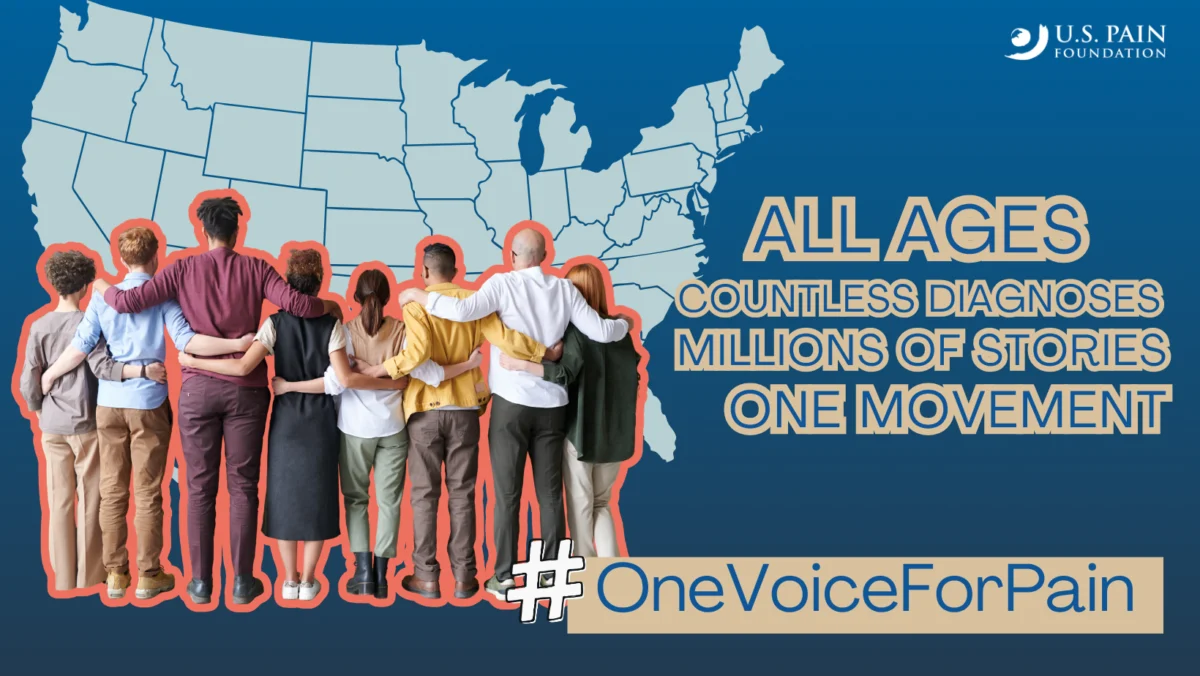
All Ages. Countless Diagnoses. Millions of Stories. One Movement.
As September arrives, the United States marks Pain Awareness Month 2026, a pivotal period dedicated to shifting the national narrative surrounding chronic pain. With more than 60 million Americans currently navigating the complexities of persistent pain, the crisis is not merely a medical challenge; it is a profound societal issue that touches every demographic, socioeconomic tier, and geography. This year, under the unifying banner of #OneVoiceForPain, advocacy groups and healthcare stakeholders are launching a month-long initiative designed to dismantle the isolation, stigma, and systemic neglect that have long defined the patient experience.
Chronic pain remains a pervasive, yet often invisible, epidemic. Despite its staggering prevalence, patients continue to report feelings of being dismissed, misunderstood, or unheard by the very institutions meant to provide relief. The #OneVoiceForPain movement posits that the path to a better future does not lie in solitary endurance, but in the collective strength of millions of individual narratives. By synthesizing these stories, the campaign seeks to influence policy, catalyze research, and foster a more compassionate public consciousness.
The Chronology of Advocacy: A Month of Action
The initiative is structured into four distinct thematic weeks, each focusing on a specific pillar of the chronic pain experience. This chronological approach is designed to systematically build awareness and momentum toward actionable change.
Week 1: The Lifecycle of Pain
The movement begins by addressing the misconception that chronic pain is a condition of the elderly. Research indicates that 11% to 38% of children under 18 live with chronic pain, yet pediatric cases are frequently overlooked or misdiagnosed due to a lack of specialized research. Conversely, older adults often face the "ageism bias," where pain is dismissed as an inevitable decline rather than a treatable condition. Week 1 serves to bridge these generations, identifying the common threads of suffering that unite a child struggling to attend school and a senior citizen losing their mobility.
Week 2: Navigating the Maze of Diagnoses
Chronic pain is rarely a singular entity. It is a symptomatic component of hundreds of medical conditions. Data from the U.S. Pain Foundation suggests a harrowing reality: the average patient reports 10 distinct diagnoses, with some individuals managing more than 20. This week focuses on the "diagnostic odyssey"—the exhausting journey patients take to identify the source of their pain. By highlighting these stories, the campaign aims to show that while the clinical labels differ, the systemic failures in treatment and validation remain strikingly similar across medical specialties.
Week 3: The Power of the Lived Experience
Perhaps the most crucial component of the movement is the amplification of the patient voice. Week 3 is dedicated to the philosophy that lived experience is data. When patients share their struggles, they provide a blueprint for researchers and clinicians to understand the nuances of pain that do not appear on an MRI or blood test. This week emphasizes the therapeutic and political power of storytelling, encouraging individuals to document their journeys to educate the public and hold policymakers accountable.
Week 4: Converging into a Unified Movement
The final week transitions from awareness to advocacy. Here, the disparate elements of the month—age, diagnosis, and story—converge into a singular, powerful call to action. The focus turns to legislative efforts, such as the Advancing Research for Chronic Pain Act, and the fundamental necessity of interdisciplinary collaboration between researchers, healthcare professionals, and patients.
Supporting Data: The Scope of the Crisis
The scale of the chronic pain crisis in the United States is difficult to overstate. With over 60 million individuals affected, chronic pain is a leading cause of disability, lost productivity, and diminished quality of life.
- Pediatric Disparity: Current literature highlights that between 11% and 38% of youth experience chronic pain. The lack of standardized pediatric pain protocols means many children are forced to navigate the educational and healthcare systems without adequate support, often leading to long-term developmental and psychological impacts.
- The Multi-Diagnosis Reality: A recent U.S. Pain Foundation survey underscored the complexity of the patient experience. Respondents reported an average of 10 distinct diagnoses per person, painting a picture of patients who are not just "in pain," but who are managing highly complex, multi-systemic illnesses.
- The Undiagnosed Population: A significant subset of the population remains in a state of limbo—living with debilitating symptoms but having received no definitive diagnosis. This group faces the highest levels of psychological distress and the greatest barriers to accessing insurance-covered care.
Official Responses and Policy Implications
The #OneVoiceForPain campaign is not merely a social media movement; it is deeply tied to the legislative landscape. Central to this year’s mission is the Advancing Research for Chronic Pain Act, a bipartisan piece of legislation designed to revolutionize how the federal government collects data on pain.
Why Data Matters
For decades, chronic pain research has been hindered by fragmented data. The proposed legislation seeks to create a more robust national infrastructure for tracking pain, which would allow for more precise funding, better-targeted research, and ultimately, more effective treatment outcomes.
The Call for Systemic Reform
Advocates argue that the current healthcare model is ill-equipped to handle the chronic, long-term needs of pain patients. "We cannot change pain without collaboration," states the leadership at the U.S. Pain Foundation. The official stance of the movement is that "real progress requires all of us." This includes not just the medical community, but the policymakers who control the purse strings of public health and the researchers who must move beyond the "one-size-fits-all" approach to pain management.
The implication is clear: unless the healthcare system moves toward a model of individualized care—where the patient is viewed as a partner rather than a subject—the cycle of dismissal and ineffective treatment will continue unabated.
Implications: A Future Built on Collective Understanding
As we look toward the future, the implications of #OneVoiceForPain are significant. If successful, this initiative could fundamentally alter the social contract between patients and the medical establishment.
Breaking the Stigma
The primary goal is the eradication of the stigma that labels chronic pain as "psychological" or "exaggerated." By presenting a united front, the movement forces the public and the medical community to acknowledge that pain is a physiological reality that demands respect and resources.
Building a Collaborative Future
The future of pain management lies in a collaborative ecosystem. This involves:
- Individualized Care: Moving away from generalized protocols toward personalized medicine that accounts for the unique biological and psychosocial profile of the patient.
- Public Education: Ensuring that the general public recognizes chronic pain as a public health priority rather than a personal failing.
- Policy Support: Sustaining long-term legislative interest in chronic pain through persistent advocacy and evidence-based data collection.
Conclusion: Join the Movement
This September, the invitation is extended to everyone: people living with pain, their care partners, medical professionals, and concerned citizens. The #OneVoiceForPain movement represents a critical juncture in the history of pain management.
By visiting the official Pain Awareness Month landing page, individuals can access a wealth of resources designed to help them share their stories, participate in webinars, and engage with local advocacy efforts.
Every voice that joins the movement adds weight to the demand for change. As the campaign concludes, the goal remains: to build a future where pain is no longer a source of isolation, but a rallying cry for better care, increased compassion, and lasting, structural reform. Together, we are not just telling stories; we are writing a new chapter in the history of medicine—one where no one faces the agony of chronic pain alone.