










The United States energy security architecture is facing its most significant stress test since the 1970s. According to recent data from US Business News, the nation’s Strategic Petroleum Reserve (SPR)—the world’s largest emergency supply of crude oil—has plummeted to 285.4 million barrels. This figure represents the lowest inventory level for the federally controlled stockpile since 1982, signaling a profound shift in the government’s ability to intervene in global energy markets during times of crisis.
Once a formidable bulwark boasting more than 700 million barrels at its peak capacity, the reserve’s current state of depletion has sparked a heated national debate regarding energy independence, fiscal responsibility, and the efficacy of using emergency stocks as a tool for short-term price stabilization.
The Genesis of the Strategic Petroleum Reserve
To understand the gravity of the current decline, one must look to the geopolitical anxieties of the 1970s. Following the 1973 Arab oil embargo, which paralyzed the American economy and triggered systemic gasoline shortages, Congress enacted the Energy Policy and Conservation Act of 1975. The objective was clear: create a "rainy day fund" of crude oil that could insulate the U.S. economy from future supply shocks.
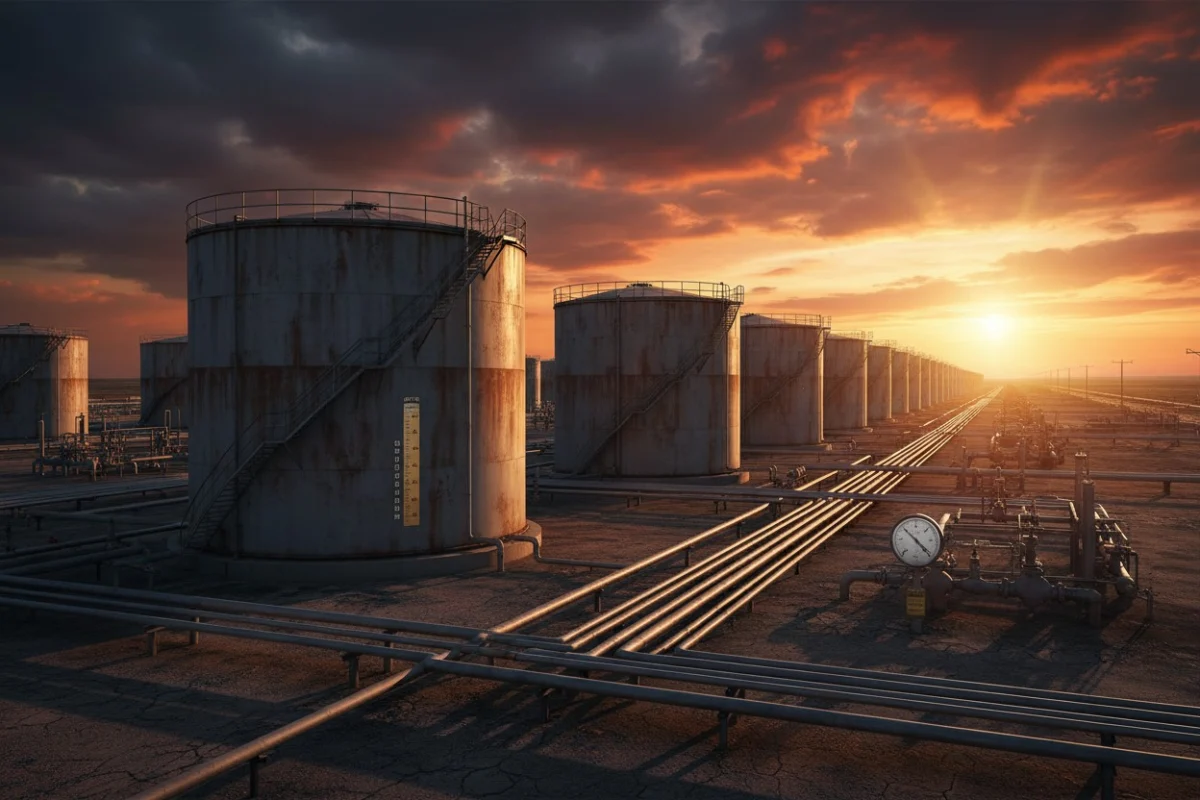
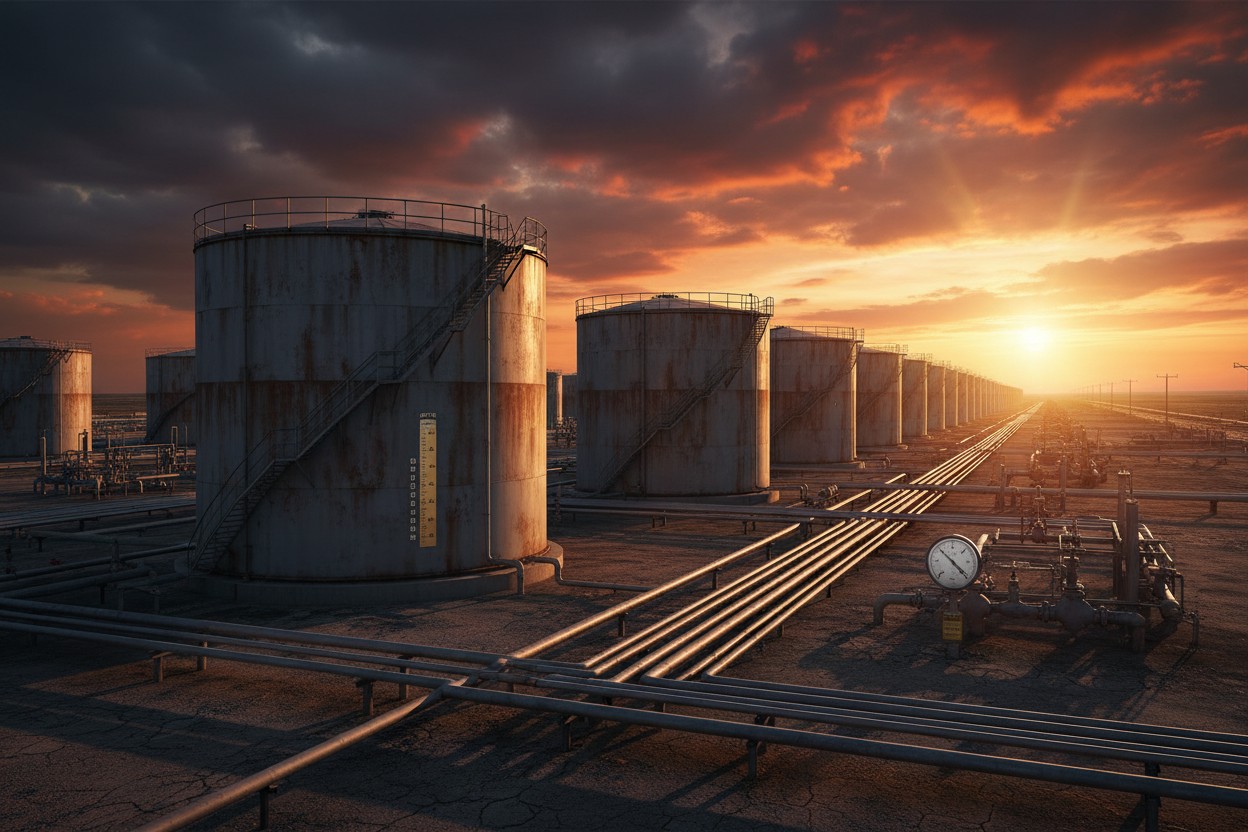
Stored in vast underground salt caverns along the Gulf Coast, the SPR was designed to serve as a strategic deterrent against geopolitical blackmail. For decades, it functioned as intended—a dormant, massive inventory maintained at taxpayer expense, to be touched only under the most extreme circumstances. However, the events of the last several years have transformed the reserve from a static insurance policy into a frequently utilized, and now significantly depleted, market lever.
Chronology of the Drawdown: A Multi-Year Erosion
The decline of the SPR is not the result of a single event but rather a series of aggressive policy interventions that began in the mid-2020s.
The Historic Release of 2026
In March 2026, the administration took unprecedented action, authorizing the release of 172 million barrels of crude oil. This represented the largest single drawdown in the history of the reserve. The move was framed as a coordinated international effort in partnership with the 32-member nations of the International Energy Agency (IEA) to combat volatility caused by escalating global instability.
The Strait of Hormuz Crisis
Just two months later, in May 2026, the situation deteriorated further. Following the closure of the Strait of Hormuz—a maritime chokepoint through which approximately 20% of the world’s oil and gas supplies transit—the U.S. Department of Energy (DOE) announced a further loan of 53 million barrels to domestic petroleum companies. This was intended to suppress the rapid spike in fuel prices that followed the blockade. Simultaneously, the IEA announced a massive, multi-national release of 400 million barrels to prevent global markets from entering a state of total supply failure.
Failed Replenishment Efforts
The path toward refilling the reserve has been fraught with economic and political hurdles. In October 2025, the government attempted to pivot toward replenishment, purchasing 1 million barrels of crude. Another 1-million-barrel purchase followed in January 2026. However, these efforts proved to be "drops in the bucket." Congressional gridlock over funding, combined with the high cost of oil, rendered significant replenishment efforts difficult. Taxpayers and lawmakers alike began to express skepticism over whether the government could afford to rebuild the stockpile at current market prices without incurring massive, inflationary deficits.
Supporting Data: The Shrinking Safety Net
The 285.4 million barrel figure serves as a sobering benchmark. While officials previously maintained that the reserve could sustain the country through significant disruptions, the current level sits well below the 60% capacity threshold that was considered the "floor" for operational safety.
- Peak Inventory: >700 million barrels.
- Current Inventory: 285.4 million barrels.
- Percentage Decline: Approximately 60% from historic highs.
- Economic Impact: During the peak of the 2026 crisis, gasoline prices reached a national average of $4.16 per gallon, a 20% increase in just thirty days.
Analysts note that these inventories are not merely numbers on a ledger; they represent the buffer that prevents localized price spikes from becoming systemic economic crises. With the reserve now at a level not seen in over forty years, the U.S. has significantly less "dry powder" to deploy should another supply chain disruption occur in the Middle East or elsewhere.
Implications for Energy Policy and Market Stability
The reduction of the SPR has created a ripple effect across global energy markets. Analysts from various financial institutions have warned that the world is moving toward "historically tight" supply conditions.
The Limits of Intervention
Fatih Birol, Executive Director of the IEA, has been vocal about the dangers of over-reliance on emergency reserves. "Emergency reserves are limited and not endless," Birol noted in a briefing, emphasizing that commercial inventories globally have only a few weeks of supply remaining. When governments use emergency stocks to artificially lower prices, they remove the market’s natural incentive to increase production and reduce consumption, potentially leading to a more severe "crash" later.
A New Strategic Reality
The U.S. is now facing a future where it can no longer rely on the SPR as a primary tool for price control. This realization has forced a policy shift. The current administration is under increasing pressure to prioritize the security function of the reserve over its price-stabilizing function. As global oil prices remain volatile, the need to replenish the SPR has become a central, yet contentious, pillar of national security discussions.
Criticism and Congressional Oversight
The depletion of the reserve has not gone unchallenged. The management of the SPR has become a lightning rod for political criticism, with many lawmakers arguing that the reserve was weaponized for political gain rather than protected for national emergencies.
The "Piggy Bank" Controversy
Critics, including former Representative Katie Porter, have argued that the SPR should not be treated as a "piggy bank for Big Oil." The debate culminated in the introduction of the Strategic Production Response Act. This legislation proposes a fundamental shift in how the reserve is managed: it would mandate that for every barrel of oil released for non-emergency purposes, the government must simultaneously open up more federal lands and offshore waters to oil and gas exploration.
The intention is to tether the use of the reserve to a corresponding increase in long-term production. However, environmental advocates argue this policy undermines climate goals, while industry groups argue that the regulatory burden of expanding drilling on federal land is too high to provide immediate relief.
Conclusion: A Delicate Balancing Act
As the United States navigates this period of energy uncertainty, the Strategic Petroleum Reserve stands as a monument to a different era. At 285.4 million barrels, the reserve is no longer the vast, impenetrable shield it once was.
The path forward is clear but difficult: the government must balance the immediate need for market stability with the long-term necessity of maintaining a robust emergency stockpile. Whether through aggressive replenishment programs or a complete restructuring of how the reserve is tapped, the U.S. must grapple with the reality that its emergency energy safety net is thinner than at any point in the last four decades. For policymakers, the challenge is not just to refill the tanks, but to define what the role of the SPR will be in a world where energy security is increasingly volatile and supply is no longer guaranteed.