







August 20, 2026 | By Lauren Belsky
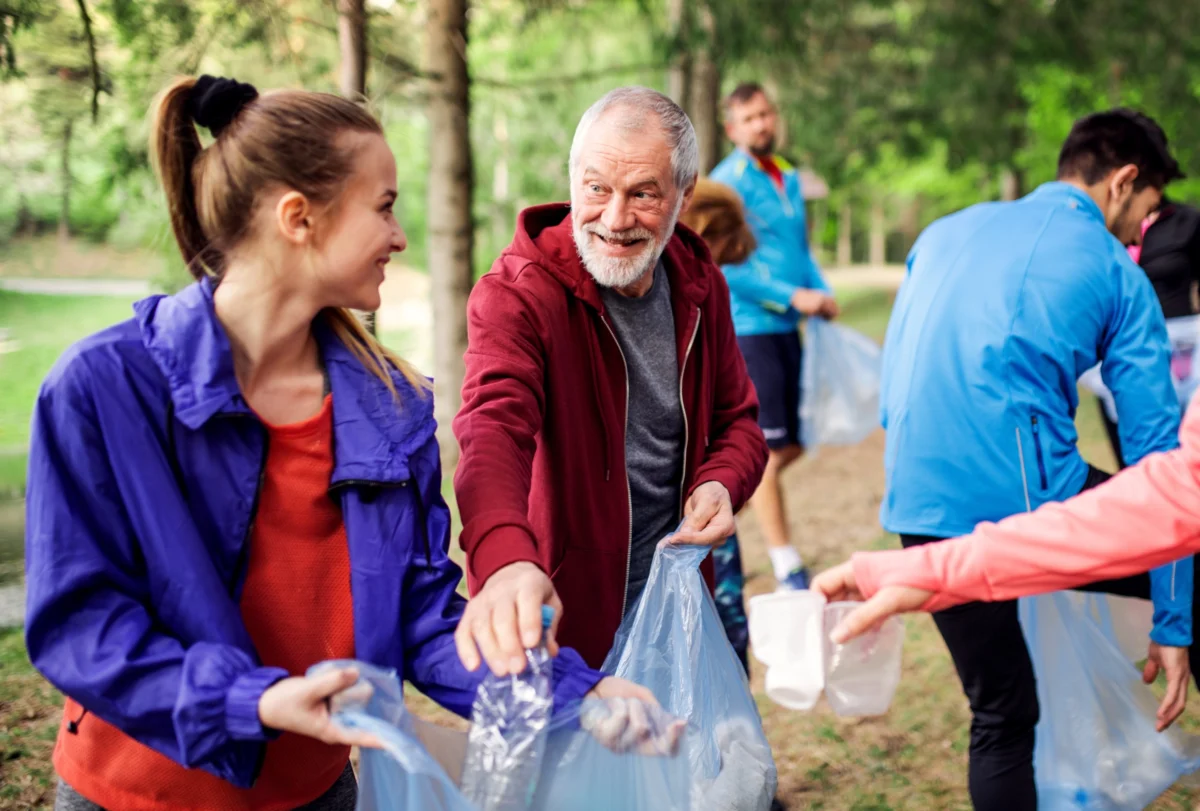
As we approach August 21, the world prepares to observe "World Senior Citizens Day," a poignant annual reminder of the profound contributions made by the elder generation. It is a day dedicated not merely to recognition, but to the active celebration of the wisdom, resilience, and vitality that older adults continue to bring to our global community. In an era of rapid technological change and shifting social structures, the value of intergenerational connection has never been more critical.
Main Facts: The Origins and Intent
World Senior Citizens Day is more than a date on the calendar; it is a legacy of legislative foresight. The holiday traces its roots to 1988, when former U.S. President Ronald Reagan signed a proclamation officially recognizing the immense value that older adults contribute to the fabric of the nation. The inaugural celebration took place on August 21, 1991, and has since evolved into a global movement.
The primary objective of the day is to honor the "silver generation"—those who have paved the way for current advancements in science, culture, and social equity. Beyond the ceremonial aspect, the day serves as a call to action to address the systemic challenges faced by aging populations, such as ageism, social isolation, and the need for better health infrastructure.
A Chronology of Recognition
To understand the importance of this day, one must look back at the trajectory of aging advocacy:
- 1988: President Ronald Reagan signs the presidential proclamation, acknowledging the demographic shift toward an aging population and the necessity of integrating seniors into the active social life of the nation.
- 1991: The first official World Senior Citizens Day is observed, setting the precedent for community-led events and policy discussions regarding geriatric welfare.
- 2000s–Present: The focus of the day shifts from mere acknowledgment to proactive engagement, with international health organizations highlighting the link between social activity and "healthy aging" as a standard for public health policy.
- 2026: As we mark another year, the conversation has expanded to include the "Longevity Economy," recognizing seniors not just as recipients of care, but as active participants in the workforce, arts, and community leadership.
The Science of Engagement: Supporting Data
The push for senior integration is backed by an overwhelming body of clinical research. The Alliance for Aging Research and organizations like the National Institute on Aging (NIA) have long emphasized that social participation is not a luxury—it is a medical necessity.
The Impact of Social Connectivity
Loneliness and social isolation are increasingly viewed by medical professionals as "silent epidemics" that rival smoking and obesity in terms of mortality risk. According to studies published by Harvard Health, older adults who maintain strong social networks exhibit a significantly lower risk of chronic diseases.
- Neuropsychiatric Benefits: Engagement in community activities is a proven antidote to the "triad of isolation": loneliness, boredom, and depression. When seniors remain cognitively stimulated, their neuroplasticity is supported, which can help delay the onset of age-related cognitive decline.
- Mortality and Health Outcomes: Data consistently demonstrates that individuals who remain physically, cognitively, and socioemotionally active have higher "functional longevity." By participating in volunteerism or social groups, seniors foster a sense of purpose that directly correlates with lower levels of systemic inflammation and better cardiovascular health.
Official Perspectives and Expert Insight
The scientific community, including geriatricians and public health advocates, asserts that aging should not be defined by the cessation of activity, but by the transition into new roles.
"We are moving away from the outdated narrative that aging is a period of inevitable decline," says a representative from the Alliance for Aging Research. "Instead, we are promoting a model of ‘healthy aging.’ This involves systemic changes—improving accessibility in our neighborhoods, fostering intergenerational mentorship, and ensuring that older adults have the tools to remain digitally and physically connected to their peers."
Experts stress that the "social determinants of health" play a larger role in an individual’s quality of life than genetics alone. Access to transportation, the availability of community centers, and the presence of social support systems are the pillars that allow an older adult to thrive rather than just survive.
Implications for Society: Why It Matters Now
The implications of prioritizing the health and inclusion of older adults are far-reaching, affecting everything from healthcare economics to the social cohesion of our neighborhoods.
The Economic Dimension
As the global population ages, the "Longevity Economy" is becoming a powerhouse. Seniors are major contributors to the economy, both as consumers and as volunteers. When we support senior health, we reduce the long-term burden on the healthcare system. Preventive care, facilitated by social engagement, keeps seniors out of acute care settings and in their homes longer, which is both a personal benefit and a public fiscal necessity.
Intergenerational Synergy
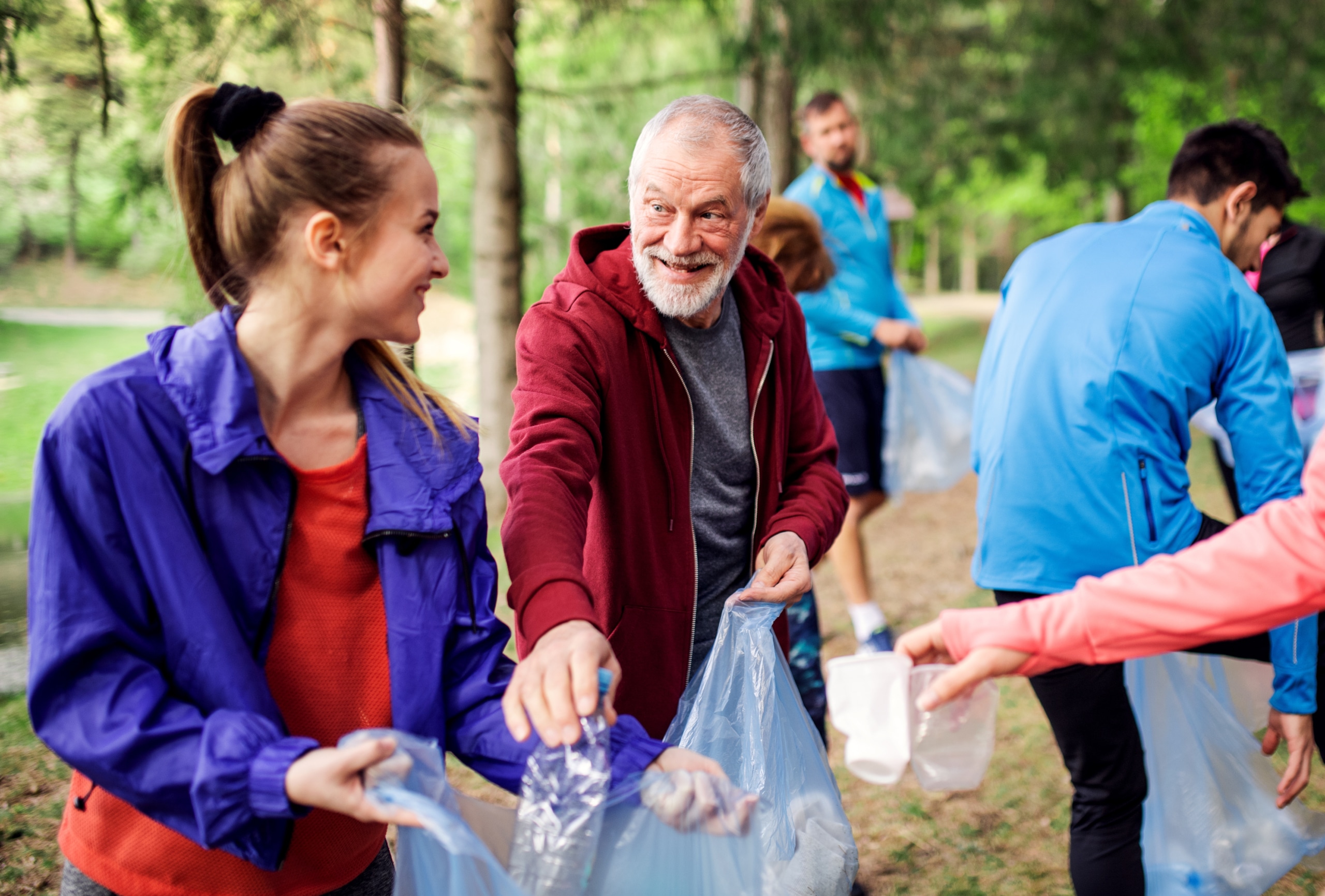
One of the most important aspects of World Senior Citizens Day is the opportunity for intergenerational exchange. Younger generations benefit immensely from the lived experience of their elders. Mentorship programs, shared hobby groups, and community service projects bridge the gap between age brackets, fostering a culture of mutual respect and reducing the prejudice often associated with ageism.
How to Celebrate and Support
Celebration does not require grand gestures. The most effective interventions are often the simplest.
For Families:
- Prioritize Presence: In an age of digital distraction, the gift of undivided attention is profound. Schedule regular, dedicated time to listen to the stories and experiences of your loved ones.
- Facilitate Connection: Assist older relatives in utilizing technology to stay in touch with distant family members, or help them find local community groups that match their interests, such as book clubs or gardening circles.
- Active Participation: Invite them into your daily activities. Whether it is a shared meal or a walk in the park, the goal is to make them feel integral to the current rhythm of your life.
For the Community:
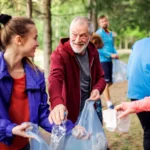
- Volunteer Initiatives: Look for local senior centers that require assistance. Whether you are helping with administrative tasks or teaching a digital literacy class, your presence helps combat the isolation many seniors face.
- Advocacy: Use this day to contact local representatives to push for age-friendly infrastructure, such as better sidewalk lighting, accessible public transport, and more green spaces that encourage movement.
- Mentorship Programs: Encourage local schools to partner with senior centers. These intergenerational programs have been shown to boost the emotional health of both the students and the seniors involved.
Conclusion: A Legacy of Contribution
Older adults have shaped the world we inherit. They are the architects of the infrastructure, the innovators of the technologies, and the keepers of the traditions that define our current reality. At the Alliance for Aging Research, we celebrate these accomplishments every day, but World Senior Citizens Day provides a vital touchpoint for the broader public to pause and reflect.
As we celebrate this August 21, let us move beyond the rhetoric of "caring for the elderly" and move toward the practice of "empowering the aging." By fostering environments where wisdom is valued and activity is supported, we ensure that our communities remain vibrant, inclusive, and forward-thinking.
Let us honor our seniors not just for what they have done, but for who they are—the living history and the steady heartbeat of our society.
Lauren Belsky serves as the Development Coordinator for the Alliance for Aging Research. Her work focuses on bridging the gap between clinical research and public awareness to improve the quality of life for all aging populations.