











In the long-standing debate over the health implications of alcohol, the conversation has often been polarized: some studies tout the heart-healthy benefits of a glass of red wine, while others insist that no amount of alcohol is safe. A monumental new study, involving over 340,000 adults, has now added a layer of nuance to this discourse, suggesting that the "type" of beverage in your glass may matter just as much as the amount you consume.
Presented at the American College of Cardiology’s Annual Scientific Session (ACC.26), the research challenges the notion that all alcohol affects the body in the same way. While the study confirms that heavy consumption is universally detrimental, it reveals a stark divergence in health outcomes among those who drink at low to moderate levels.
The Core Findings: A Tale of Two Beverages
The study, which tracked health outcomes over an average of 13 years, paints a complex picture of human longevity. The researchers found that while heavy drinkers faced a significantly higher risk of mortality across all categories, the findings for light-to-moderate drinkers were heavily dependent on the type of alcohol consumed.
Specifically, moderate wine consumption was associated with a 21% lower risk of death from cardiovascular disease compared to those who abstained from alcohol. Conversely, individuals who consumed similar amounts of beer, cider, or spirits saw an increase in their risk of cardiovascular-related death by 9%. This paradoxical finding suggests that the chemical composition of different beverages, or the lifestyle patterns associated with them, may play a critical role in how alcohol interacts with the human cardiovascular system.
Chronology of the Research
The study was conducted using the robust UK Biobank dataset, a gold-standard resource for health research. The process spanned nearly two decades, from 2006 to 2022, allowing for a longitudinal view of how alcohol intake impacts long-term health.
2006–2010: Enrollment and Baseline Data
Researchers began by gathering data from 340,924 participants. During this phase, participants provided comprehensive details regarding their dietary habits, lifestyle, and alcohol consumption through rigorous questionnaires. Importantly, the researchers standardized these inputs by measuring "pure alcohol" rather than just the number of drinks. This was essential because a 12-ounce beer, a 5-ounce glass of wine, and a 1.5-ounce shot of spirits all contain roughly 14 grams of pure alcohol.
2011–2022: Longitudinal Observation
For more than a decade, the team tracked health outcomes, specifically monitoring mortality rates from cancer, heart disease, and all-cause mortality. By categorizing participants into four distinct groups—never/occasional, low, moderate, and high consumption—researchers could isolate the effects of specific drinking patterns over time.
Supporting Data: Dissecting the Consumption Levels
To ensure precision, the researchers defined their consumption tiers carefully to account for biological differences between genders.
- Never/Occasional: Fewer than 20 grams of pure alcohol per week.
- Low Consumption: 20g per week to 20g per day (men); 20g per week to 10g per day (women).
- Moderate Consumption: 20g to 40g daily (men); 10g to 20g daily (women).
- High Consumption: More than 40g daily (men); more than 20g daily (women).
The data revealed that for heavy drinkers, the consequences were clear and severe. Regardless of the type of beverage, these individuals experienced a 24% higher risk of all-cause mortality. Their risk of dying from cancer was 36% higher, and their risk of succumbing to heart disease was 14% higher. It was only when the researchers pivoted to the moderate drinking categories that the "wine advantage" emerged as a statistically significant trend.
Expert Perspectives and Official Commentary
Dr. Zhangling Chen, a professor at the Second Xiangya Hospital, Central South University, and the study’s senior author, emphasized that while these findings are compelling, they must be interpreted with extreme caution.
"Our findings help clarify previously mixed evidence on low to moderate alcohol consumption," Dr. Chen noted. "These findings can help refine guidance, emphasizing that the health risks of alcohol depend not only on the amount of alcohol consumed, but also on the type of beverage."
However, the medical community remains cautious about suggesting that anyone should start drinking alcohol for health purposes. Dr. Chen explicitly cautioned that in high-risk groups—such as those with existing cardiovascular conditions or chronic illnesses—the risks of alcohol consumption are likely magnified. The study does not prove that wine "protects" the heart; rather, it identifies an association that may be influenced by a myriad of hidden variables.
Why Wine Might Be Different: The "Polyphenol" Theory
The researchers explored several hypotheses for why wine might diverge from other alcoholic beverages in its impact on heart health.
1. The Power of Polyphenols
Red wine is uniquely rich in polyphenols—naturally occurring plant compounds with potent antioxidant properties. Antioxidants are known to neutralize free radicals, which are unstable molecules that can cause cellular damage. By protecting the blood vessels from oxidative stress, these compounds may theoretically support cardiovascular function.
2. The Context of Consumption
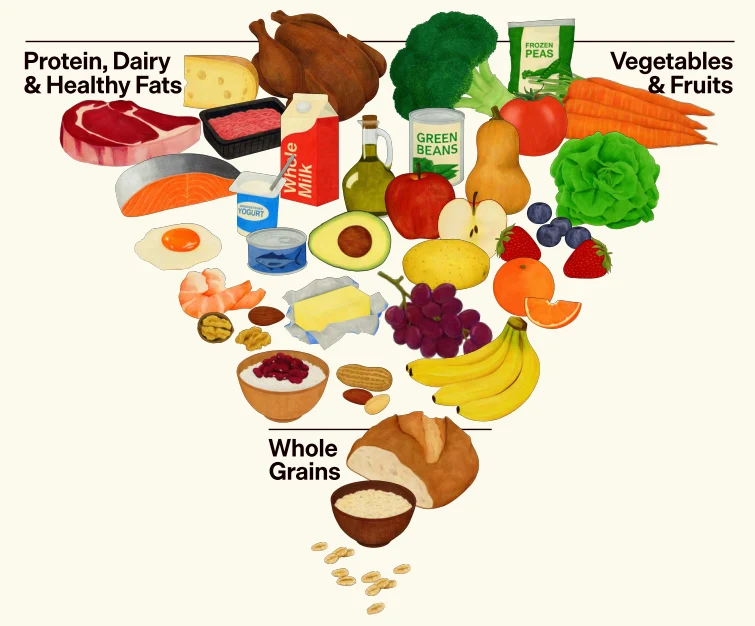
Perhaps more importantly, the researchers highlighted the "lifestyle factor." Wine is culturally tied to the Mediterranean diet, which emphasizes whole foods, vegetables, and lean proteins, and is often consumed alongside meals. In contrast, spirits and beer are frequently consumed in settings less conducive to healthy eating, such as late-night bar settings or in isolation from a nutritious meal.
The study noted that wine drinkers in the dataset tended to report higher overall diet quality and more active lifestyles. This suggests that the "health benefit" of wine may be a proxy for a broader, healthier lifestyle rather than a direct result of the fermentation process in grapes.
Implications for Public Health Policy
The findings from ACC.26 serve as a vital reminder that the "one-size-fits-all" approach to dietary advice is often inadequate.
Limitations of the Study
Despite the massive scale of the research, the authors were quick to highlight its limitations:
- Observational Nature: Because the study was observational, it cannot establish a causal relationship. It identifies a correlation, not a definitive "cause-and-effect."
- Self-Reporting Bias: All data on alcohol consumption were self-reported, which is prone to human error or social desirability bias.
- The "Healthy User" Bias: Participants in the UK Biobank are generally healthier than the general population. This means the findings may not be perfectly applicable to those with lower socioeconomic status or limited access to healthcare.
Future Research Directions
The researchers argue that the next step must be high-quality, randomized clinical trials. Only by controlling for diet, exercise, and socioeconomic status in a clinical setting can science definitively determine whether the polyphenols in wine offer genuine protection or if we are merely observing the habits of a generally healthier demographic.
Conclusion: A Measured Approach
The primary takeaway from this massive study is not an endorsement of wine, but a sophisticated refinement of our understanding of alcohol. The consistent danger of heavy drinking remains an indisputable fact of modern epidemiology.
For the average individual, the distinction between wine and spirits serves as a reminder that what we consume is part of a larger, interconnected system of habits. Whether it is the chemical makeup of the drink or the lifestyle that accompanies it, the evidence suggests that alcohol’s impact on the human body is far more complex than a single unit of measurement can capture. As the scientific community continues to digest these results, the best advice remains unchanged: if you do not drink, there is no medical reason to start, and if you do, moderation—and an eye toward the broader context of your lifestyle—remains the gold standard for longevity.
Ziyue Li presented the study, "Alcohol Use at Mid-Life and All-Cause and Cause-Specific Mortality," at the American College of Cardiology’s Annual Scientific Session (ACC.26).