








In the complex landscape of blood disorders, the bone marrow acts as both the engine of vitality and, in the case of diseases like sickle cell and beta thalassemia, the source of systemic dysfunction. For decades, the primary challenge for pharmaceutical intervention has been the "fortress" nature of bone marrow; its limited blood supply makes it notoriously difficult to reach with conventional systemic drugs. To overcome this, doctors have often relied on high-dose, toxic treatments or complex, ex vivo gene therapies.
Now, a Watertown, Massachusetts-based startup, Marrow Therapeutics, has emerged from three years of stealth development with a bold solution: a "Trojan horse" drug delivery platform. By hijacking the natural biological mechanisms that bone marrow cells use to harvest iron, Marrow aims to deliver life-changing genetic medicines directly to the source of the disease. With $173 million in total funding secured, the company is positioning itself to shift the paradigm of hematology from invasive, hospital-based procedures to accessible, at-home care.
The Biological Barrier: Why Bone Marrow is Hard to Reach
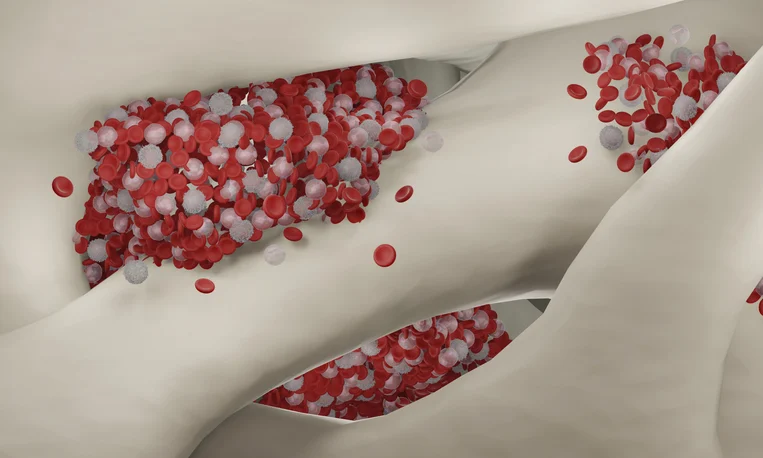
The fundamental hurdle in treating blood disorders lies in the physiology of the bone marrow. Because the marrow is a sequestered, low-flow environment, systemic drugs—those injected into the bloodstream—struggle to achieve therapeutic concentrations within the bone without causing widespread toxicity elsewhere in the body. To force a drug into the marrow, clinicians have historically had to increase the dosage, a strategy that often results in significant side effects and damage to healthy organs.
Marrow Therapeutics has sidestepped this "brute force" approach by focusing on cellular demand. Rapidly dividing cells, particularly those in the bone marrow responsible for blood production, require massive amounts of energy to replicate. Iron is the essential fuel for this process. Each progenitor cell and red blood cell in the marrow is equipped with up to 500,000 transferrin receptors, which act as cellular "gatekeepers" that scavenge iron from the bloodstream.
The Trojan Horse Strategy
Marrow Therapeutics, led by CEO Romesh Subramanian, has developed a platform that leverages these receptors. Their proprietary Transferrin Antibody Bioconjugates (TABs) are engineered to bind to the transferrin receptor. Crucially, this binding does not interfere with the receptor’s primary job—transporting iron—but instead "hitches a ride," allowing the therapeutic payload to be internalized by the cell.
"It’s a Trojan horse," says Subramanian. "We’re piggybacking onto that transferrin to take the drug into the cell." By exploiting a natural pathway, the company ensures that their therapeutic cargo is delivered specifically to the cells that need it most, minimizing systemic exposure and potential toxicity.
Chronology: From Concept to Clinical Readiness
The journey of Marrow Therapeutics has been one of meticulous preparation and strategic silence.
- 2024: The company was formed and incubated by Scion Life Sciences, a venture firm focused on high-impact biotech innovation.
- Early 2025: Marrow secured $53 million in a Series A funding round co-led by Scion and venBio. During this period, the company remained in stealth mode, focusing on building a robust intellectual property portfolio and refining its TAB platform to ensure competitive advantage before a public unveiling.
- November 2026: Marrow Therapeutics officially emerged from stealth. The company announced a $173 million total funding milestone, headlined by a $120 million Series B round led by OrbiMed. This round saw participation from a powerhouse list of investors, including RTW Investments, Surveyor Capital, Opaleye, NEXTBio Capital, Affinity Advisors, KKR, and Columbia Threadneedle Investments.
Currently, the company is conducting late-stage preclinical testing for its lead program, MAR-101. These studies are designed to provide the necessary data for an Investigational New Drug (IND) application to the FDA, which would authorize the start of human clinical trials.
Supporting Data and Technical Efficacy
The science underpinning Marrow Therapeutics sits on a foundation of validated biological principles. The use of transferrin receptors for drug delivery is not entirely new; in March 2026, the FDA approved Denali Therapeutics’ Avlayah for Hunter syndrome, which uses a similar mechanism to cross the blood-brain barrier.
However, Marrow distinguishes itself through the "proprietary engineering" of its TABs. While other companies, such as Dyne Therapeutics, have utilized antigen-binding fragments to target muscle tissue, Marrow has optimized its constructs to target the bone marrow environment specifically.
Preclinical Success
According to internal data shared by Subramanian, Marrow’s preclinical studies in non-human primates have demonstrated:
- Targeted Engagement: Successful delivery and engagement of the drug payload within the bone marrow.
- Molecular Knockdown: Potent reduction of BCL11a levels, a protein that acts as a "master switch" in blood cell development.
- Fetal Hemoglobin Induction: The knockdown of BCL11a leads to a significant increase in the production of fetal hemoglobin. In patients with sickle cell disease or beta thalassemia, this healthy fetal hemoglobin can effectively replace the malfunctioning adult hemoglobin, potentially alleviating the root cause of the disease.
Laboratory tests using human cells have reportedly yielded results that are "on par or better" than current ex vivo gene therapy approaches, suggesting that Marrow’s in vivo strategy could be just as potent as, and significantly more efficient than, current standards of care.
Implications for Global Patient Access
The current standard for treating sickle cell disease and beta thalassemia includes gene therapies like Vertex Pharmaceuticals’ Casgevy and Genetix Biotherapeutics’ Lyfgenia. While these therapies have proven transformative, they are logistically and financially daunting.
The Problem with Current Gene Therapies
- The Workflow: Current therapies require a patient’s stem cells to be harvested, shipped to a centralized laboratory, genetically edited using CRISPR, and then re-infused into the patient.
- Access Limitations: This process is expensive, requires long hospital stays, and demands specialized medical infrastructure that is often unavailable in resource-limited settings outside of the United States.
- The Burden: These are one-time, high-cost procedures that place an immense strain on both the healthcare system and the patient.
Marrow’s Vision: At-Home Treatment
Marrow Therapeutics aims to change this narrative entirely. By developing MAR-101 as a stable, injectable medication that can be administered subcutaneously at home, the company intends to eliminate the need for hospital-based stem cell transplants.
"They don’t have to go to the ER, they don’t have to go to other places, they don’t need blood transfusions," Subramanian noted. By making the drug stable at room temperature and easily injectable, Marrow hopes to create a "global medicine" that can be deployed in regions currently underserved by modern gene therapy. Despite the complex manufacturing requirements of TABs—which involve an antibody, a linker, and a payload—Subramanian believes that optimized production yields will allow the company to reach price points that are sustainable for global healthcare payers.
Strategic Outlook and Future Directions
As Marrow Therapeutics moves toward clinical trials, the company is operating with a clear sense of urgency. While Subramanian declined to provide a specific date for entering the clinic, he noted that the team is moving "as soon as feasible."
The company is also signaling a high degree of openness to pharmaceutical partnerships. Given the platform’s potential to address not only blood disorders but potentially white blood cell conditions and bone-related pathologies, Marrow represents a significant "plug-and-play" opportunity for larger biopharmaceutical firms looking to enter the bone marrow space.
"We are pioneering a targeted in vivo approach to open up this bone marrow space," says Subramanian. "Those are large indications, and we don’t take that lightly. We see a great opportunity to develop many medicines, either ourselves or with partners."
For the thousands of patients suffering from debilitating blood disorders, Marrow Therapeutics offers a glimpse into a future where treatment is no longer a monumental, hospital-bound ordeal, but a routine, accessible, and highly precise medical intervention. By mastering the delivery of medicine to the body’s most sequestered regions, Marrow is effectively unlocking the door to the next generation of genetic medicine.