











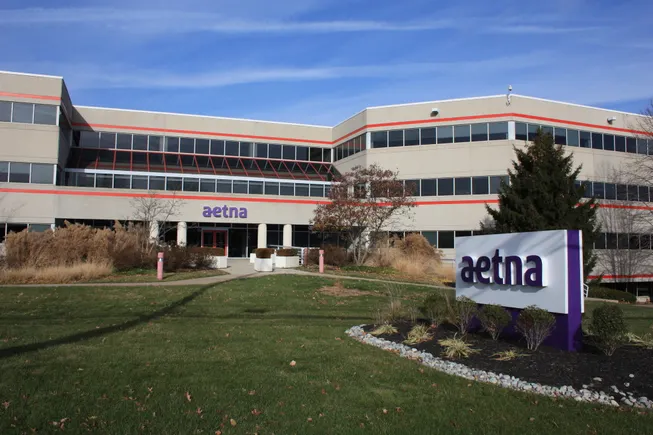
In a pivotal shift for the American healthcare landscape, major insurance carriers are beginning to dismantle the administrative scaffolding of "prior authorization"—a controversial practice that has long served as a friction point between payers, providers, and patients. As consumer trust in health insurance companies reaches historic lows, insurers like Aetna and UnitedHealthcare are aggressively rolling back preapproval requirements, aiming to mitigate provider burnout and accelerate access to life-saving care.
This transition marks a departure from a decades-old model where insurers acted as gatekeepers to medical services, requiring physicians to secure approval before administering procedures or prescribing medications. While payers maintain that these controls are essential to curb unnecessary spending and prevent fraudulent claims, the medical community has long argued that the process is a significant obstacle to clinical efficiency, patient outcomes, and physician well-being.
The Evolution of Administrative Oversight: A Chronology of Reform
The current push for reform is not occurring in a vacuum; it is the culmination of years of lobbying by the American Medical Association (AMA) and mounting pressure from federal regulators.
The Rise of Utilization Management
Historically, prior authorization was designed as a tool for "utilization management," allowing insurers to review the clinical necessity of high-cost treatments. However, as the complexity of medical care ballooned, so did the administrative burden. By the early 2020s, the process had become a labyrinth of digital portals, fax machines, and phone calls that consumed hours of valuable physician time every week.
The HHS Intervention
In the summer of 2023, the Department of Health and Human Services (HHS) brokered a historic, albeit voluntary, pledge from major insurers to streamline their utilization management processes. This agreement served as a turning point, moving the industry toward a more transparent, standardized model. Insurers participating in this effort reported in the spring of 2024 that they had already eliminated approximately 11% of their existing preapproval requirements.
The Aetna "Bundle" Pilot
Building on these industry-wide efforts, Aetna launched a pilot program last summer specifically targeting oncology care. Recognizing that a cancer diagnosis is uniquely time-sensitive, Aetna introduced a "bundling" mechanism that grouped multiple prior authorizations for breast, lung, and prostate cancer into a single, upfront request. This initiative sought to replace the average of four separate authorizations typically required per cancer patient with one comprehensive care plan approval.
Recent Industry Moves
The momentum accelerated in the fall of 2024, when UnitedHealthcare announced a bold strategy to nix prior authorization requirements for approximately 1,700 medical codes. This move, part of a broader corporate initiative to eliminate 30% of its total preapproval requirements by the end of 2024, signaled that even the industry’s largest players are feeling the necessity of reform.
Supporting Data: The High Cost of Red Tape
To understand why insurers are pivoting, one must look at the data—both regarding the efficacy of these programs and the collateral damage they cause.
The Burden on Providers
According to recent surveys conducted by the American Medical Association, the administrative burden of prior authorization is a leading contributor to physician burnout. When doctors spend more time managing digital portals and less time with patients, the entire healthcare ecosystem suffers. Studies have consistently shown that the process slows the delivery of care, leading to delays that, in cases of chronic or terminal illness, can have direct and detrimental impacts on patient health outcomes.
The "Overturned Denial" Phenomenon
Perhaps the most damaging statistic for the insurance industry is the high rate at which denied requests are successfully appealed. Data from the Office of Inspector General (OIG) has revealed that a significant portion of initially denied prior authorizations are later overturned on appeal. This suggests that the care in question was clinically necessary from the start, casting doubt on the accuracy and fairness of the initial automated denial algorithms.
Government Program Gaps
A recent analysis by the Kaiser Family Foundation (KFF) underscored the volatility of these denials, noting that insurers rejected at least one in eight standard prior authorization requests within government programs last year. This high denial rate has become a focal point for federal regulators who are increasingly scrutinizing how these processes impact Medicare and Medicaid beneficiaries.
Official Responses: From the C-Suite to the Frontlines
The industry’s rhetoric around these changes highlights a strategic pivot toward patient-centric branding.
Katerina Guerraz, chief operating officer and Medicaid president at Aetna, emphasized the human element of the reform. "A cancer diagnosis can be overwhelming for patients and families, and the care team should be focused on their patient, not paperwork," Guerraz stated. "By approving a broader set of treatments and related services upfront, we’re removing barriers that can delay care."
However, this optimism is not universally shared. While insurers frame these reductions as a commitment to service, the medical community remains profoundly skeptical. Doctors and hospital administrators, who have spent years navigating changing policies and shifting "preferred" codes, are hesitant to celebrate until the administrative burden truly disappears.
The skepticism stems from the fear that "streamlining" may be a performative gesture. Many providers argue that unless the underlying algorithmic decision-making is made transparent, insurers could simply replace manual prior authorizations with more rigid automated systems that continue to deny care behind the scenes.
Implications for the Future of Healthcare
The shift toward bundling and code elimination will have profound implications for the next three years of healthcare administration.
The Expansion of Bundling Models
Aetna’s expansion of its cancer care bundles to Medicaid members in states including Oklahoma, Illinois, Maryland, New Jersey, Florida, Kentucky, and West Virginia represents a test case for the model’s viability. If successful, the insurer plans to roll these bundles out to Medicare and commercial members by the first half of 2027. If this approach succeeds in reducing the number of administrative touchpoints without increasing overall costs, it is likely to become the new industry standard.
Technological Integration
The future of prior authorization will likely be defined by the integration of Electronic Health Records (EHR) with insurer portals. As insurers move to eliminate manual codes, they are increasingly relying on AI-driven clinical decision support tools. While this promises faster approvals, it also raises ethical questions about the role of artificial intelligence in determining who receives care and when.
The Regulatory Horizon
The current "voluntary" reform period is essentially a trial run. Should insurers fail to demonstrate a meaningful decrease in patient harm and physician burnout, federal regulators are expected to move toward stricter, mandatory legislation. The CMS (Centers for Medicare & Medicaid Services) has already signaled a willingness to impose more rigid guidelines if voluntary compliance falls short of expectations.
Shifting Payer-Provider Dynamics
The long-term implication is a fundamental shift in the relationship between insurers and providers. By moving away from a gatekeeper model, insurers are forced to rely more on retrospective claims review and value-based care contracts. This requires a higher level of trust and data transparency than currently exists between the two parties.
Conclusion: A Cautious Outlook
The insurance industry is currently navigating a delicate balance. On one hand, they must maintain fiscal responsibility to their shareholders and manage the escalating costs of medical technology. On the other, they are facing an unprecedented revolt from the clinical community and a skeptical public.
The move by Aetna to bundle oncology services and the aggressive code-cutting by UnitedHealthcare are significant steps, but they are not the end of the story. For the patient, these changes promise a swifter journey from diagnosis to treatment. For the physician, they offer a glimmer of hope that the paperwork burden may eventually subside. Yet, until the industry can prove that these changes are permanent and systemic rather than cosmetic, the healthcare sector will continue to view these reform efforts with a guarded eye. The next three years will be the true crucible for these policies, determining whether the industry can successfully reform its own house before the government does it for them.