






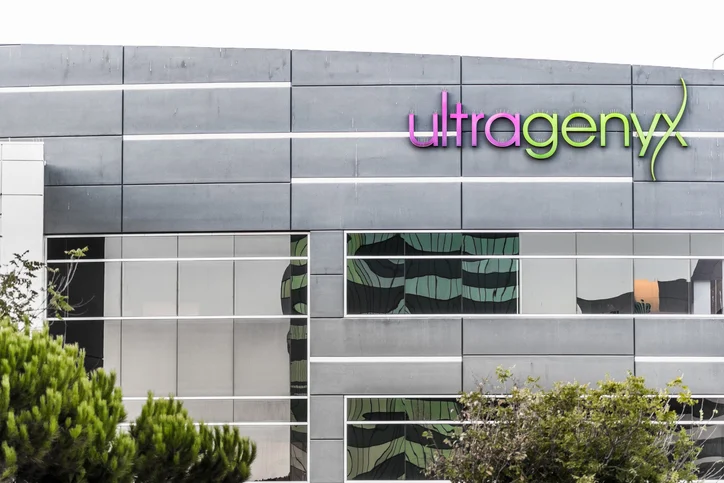
In the high-stakes world of biotechnology, fortunes can shift in the span of a single press release. For Ultragenyx Pharmaceutical, the past month has been a jarring demonstration of this volatility. While the company has secured two landmark FDA approvals for ultra-rare diseases—a feat that represents the pinnacle of medical innovation—it is simultaneously reeling from a catastrophic Phase 3 trial failure that has sent its stock price into a tailspin and forced a corporate belt-tightening.
The Approval of Fayuvi: A Breakthrough for Sanfilippo Syndrome
The most recent victory for the Novato, California-based company came in the form of FDA approval for Fayuvi, a pioneering gene therapy designed to treat mucopolysaccharidosis type IIIA (MPS IIIA), more commonly known as Sanfilippo syndrome type A.
Sanfilippo syndrome is a devastating, inherited neurological disorder. Children born with this condition lack a critical enzyme called sulfamidase, which is essential for breaking down heparan sulfate, a complex sugar molecule. Without this enzyme, the sugar accumulates within the body’s cells, leading to progressive and irreversible central nervous system damage. Patients typically present with neurodevelopmental delays in early childhood, followed by a steady decline in cognitive and physical function. Tragically, most children with the condition do not survive past their teenage years, succumbing to secondary complications like organ failure or severe infections.
Fayuvi functions as a one-time, intravenous gene therapy. It utilizes an engineered virus as a vector to deliver a functional, working copy of the gene responsible for producing the missing sulfamidase enzyme. By restoring the body’s ability to break down heparan sulfate, the therapy aims to halt or slow the disease’s progression at its root.
Chronology of a Complex Journey
The path to approval for Fayuvi was far from linear. The program, originally developed by Abeona Therapeutics under the name UX111, was licensed by Ultragenyx in 2022 as Abeona struggled with the financial burdens of clinical development.
The journey was marked by significant regulatory hurdles. In 2025, the FDA issued a Complete Response Letter (CRL) to Ultragenyx, rejecting the initial application due to concerns regarding manufacturing processes. Following this setback, the company pivoted to address the agency’s requirements, partnering with Andelyn Biosciences in Ohio and leveraging its own manufacturing facility in Bedford, Massachusetts, to ensure a robust supply chain.
The approval is based on a single-arm, open-label clinical trial. In a significant win for the company, the FDA granted full approval rather than the expected accelerated approval, a testament to the strength of the clinical data. The study demonstrated that children between the ages of 2 and 5 who received the therapy maintained or improved their cognitive scores, contrasting sharply with the natural history of the disease, where patients typically see a plateau or decline in development during those formative years.
The Shadow of the Angelman Syndrome Failure
While the FDA approval of Fayuvi is a triumph for the rare disease community, it is inextricably linked to a darker narrative at Ultragenyx. Sandwiched between the approval of Fayuvi and the August clearance of Genglycos—a gene therapy for glycogen storage disease type Ia—was the failure of the company’s lead candidate, apazunersen.
Apazunersen was intended to be the first-ever FDA-approved treatment for Angelman syndrome, a complex genetic disorder characterized by severe intellectual disability, speech impairment, and seizures. For investors, this drug represented the "crown jewel" of the company’s portfolio. When the Phase 3 trial failed to meet its primary endpoints, the market response was swift and brutal, with Ultragenyx stock plummeting approximately 45%.
The failure has forced leadership to commit to "significant expense reductions." While the company has not yet released the granular details of these cuts, it is clear that the organization is moving into a defensive posture, prioritizing the commercialization of its newly approved therapies over the aggressive expansion of its experimental pipeline.
Official Perspectives and Strategic Outlook
During a conference call held shortly after the Fayuvi announcement, Ultragenyx CEO Emil Kakkis struck a balance between scientific optimism and fiscal pragmatism. When asked about the clinical implications of the Fayuvi label—which specifies that the therapy is for children with "preserved neurodevelopmental function"—Kakkis emphasized that the language provides physicians and families with the flexibility to make treatment decisions based on the individual patient’s status rather than rigid developmental metrics.
"I think we’d all agree that someone who is at end-stage disease is not a good candidate for gene therapy and the goal is to treat as young as possible," Kakkis stated. He noted that the company is aiming for a future where universal newborn screening allows for the identification and treatment of patients before they reach age one. "We’ve had some kids treated at six months who have done really well. I think that’s what we’ve got to get to."
Regarding the financial fallout from the Angelman syndrome trial, Kakkis remained measured, stating that he would reserve detailed commentary on that program for the next quarterly earnings call. Instead, the company is pivoting its narrative toward the "leveraged launch" of its current assets.
The Economic Implications: Pricing and Vouchers
The commercial strategy for Fayuvi is as ambitious as the science behind it. Ultragenyx has set a wholesale price of $3.95 million for the one-time infusion. While this figure is substantial, the company justifies it by citing the long-term economic burden of the disease. They estimate that the lifetime cost of supportive care for a single Sanfilippo patient can exceed $8 million. By intervening early, the company argues, the therapy creates long-term value for the healthcare system.
Furthermore, the company has an immediate financial lever: the Rare Pediatric Disease Priority Review Vouchers (PRVs) awarded by the FDA alongside the approvals of both Fayuvi and Genglycos. These vouchers are highly coveted in the pharmaceutical industry as they can be used to accelerate the FDA review process for another, potentially more lucrative drug, or they can be sold to other companies. With recent market prices for these vouchers hovering around $200 million, the sale of these two assets could provide a massive injection of non-dilutive capital to help stabilize the company’s balance sheet.
Market Analysis and Future Prospects
Wall Street analysts have begun to recalibrate their expectations for the firm. Joseph Schwartz, an analyst with Leerink Partners, noted that the market’s reaction to the Angelman failure may have been an overcorrection. In a recent investor note, he argued that while the two new approvals cannot fully replace the projected value of the failed Angelman program, they demonstrate a functional, high-value gene therapy platform that the market had temporarily discounted.
William Blair analysts estimate that Fayuvi could reach peak annual sales of $325 million, adding to the $362 million projected for Genglycos. While these revenues will take time to materialize as the company builds out its commercial infrastructure, the combination of a growing product portfolio and the potential sale of the priority review vouchers provides a clear path forward for a company currently in transition.
Conclusion: A Platform at a Crossroads
Ultragenyx currently stands at a critical junction. The company has proven that it can navigate the complex regulatory and manufacturing demands of bringing transformative gene therapies to market. However, the failure of its late-stage Angelman program serves as a stark reminder of the inherent risks of drug development.
The success of the coming months will depend on whether the company can successfully commercialize Fayuvi and Genglycos while maintaining the trust of investors who were burned by the recent clinical disappointment. As the firm implements its cost-cutting measures and prepares for the launch of these two ultra-rare disease therapies, it is shedding its identity as a broad-based pipeline developer and embracing a more focused, commercial-heavy future. For the patients and families affected by Sanfilippo and GSDIa, however, the corporate machinations are secondary to a simple, life-altering fact: for the first time, there is a path to treatment.