






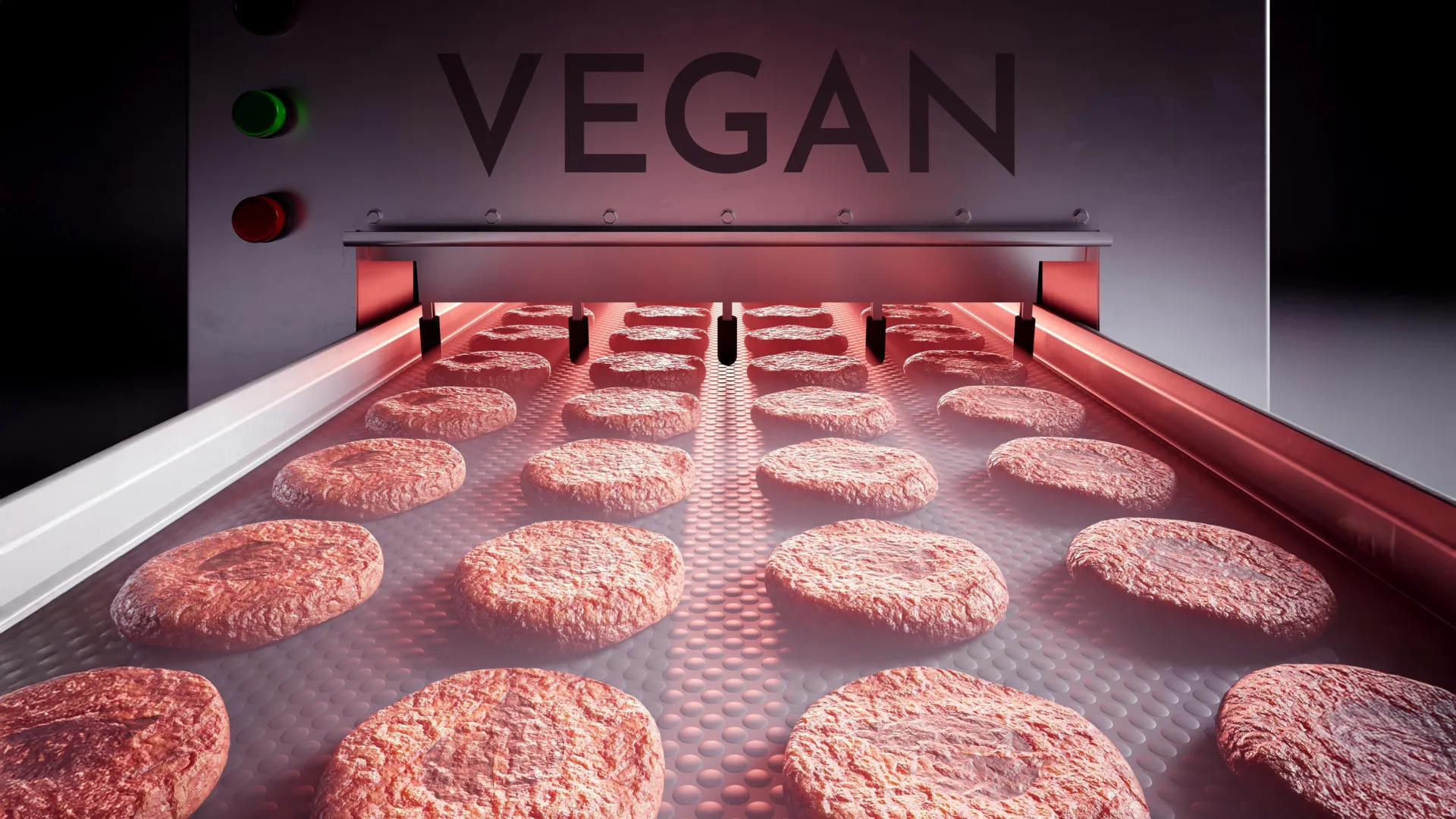
The rapid transition toward plant-based diets—driven by environmental concerns, animal welfare, and health consciousness—has fundamentally reshaped the British supermarket landscape. From shelves packed with pea-protein burgers to refrigerators brimming with oat and almond milks, the diversity of plant-based meat alternatives (PBMAs) and plant-based beverages (PBBs) has never been greater. However, a significant new study has cast a light on an invisible potential concern: the widespread presence of mycotoxins in these products.
A comprehensive survey, recently published in the journal Food Control, indicates that toxic compounds produced by fungi are ubiquitous across the spectrum of plant-based foods sold in the UK. While these findings have sparked conversation regarding food safety, experts emphasize that the presence of these compounds does not necessarily equate to an immediate health crisis. Instead, the study serves as a critical call to action for improved regulatory frameworks and a deeper understanding of long-term dietary health.
The Scope of the Investigation: A Snapshot of the UK Market
The research, led by the University of Parma in Italy in collaboration with the UK’s Cranfield University, represents one of the most exhaustive examinations of mycotoxin contamination in modern meat alternatives. Researchers analyzed 212 distinct products—ranging from vegetarian chicken substitutes and vegan sausages to various nut and grain-based milks—all sourced directly from UK retail outlets.
The findings were striking: every single product sampled contained at least one of 19 different mycotoxins, with many products testing positive for a combination of multiple toxic compounds. These substances, which are secondary metabolites produced by various species of fungi, are known to contaminate crops during both the growth phase in the field and the storage phase in warehouses.
Understanding the Mycotoxin Phenomenon: Origins and Persistence
Mycotoxins are not additives; they are biological byproducts of mold growth that can occur naturally on almost any agricultural crop. Because the plant-based food industry relies heavily on a diverse range of raw materials—including grains, legumes, and seeds—they are inherently more susceptible to these fungal contaminants.
The Lifecycle of Contamination
The process often begins before a product ever reaches a factory. If crops like soy, oats, or wheat are subjected to high humidity, improper temperature controls during transport, or delayed harvesting, fungi can flourish. Once these raw ingredients are processed into highly complex, multi-ingredient foods—such as a plant-based burger that might contain pea protein, pea starch, yeast extract, and various vegetable oils—the challenge of tracking and mitigating these toxins becomes exponentially more complex.
While the food industry has long employed rigorous drying and storage protocols to minimize mold growth, the sheer volume of raw materials required to meet the exploding demand for vegan products means that some level of exposure is effectively unavoidable.
Data and Safety Thresholds: The "Quality Control" Paradox
Despite the ubiquitous nature of the findings, the researchers were quick to qualify the risk. The concentrations of mycotoxins detected in the UK products were, in every instance, found to be within the recommended safety guidelines established by the European Union.
This is a testament to the high food safety standards currently maintained by the UK food industry. Regulatory bodies and manufacturers have implemented robust testing and quality assurance programs that ensure most toxic elements are kept well below levels that would trigger acute toxicity or immediate clinical symptoms in the average consumer.
However, the researchers note a crucial distinction: "The concern is not necessarily the amount present in a single product, but the cumulative effect of a dietary shift." As more people adopt diets consisting entirely of plant-based alternatives, their exposure profile changes. If a consumer replaces dairy milk with oat milk and meat with processed pea-based burgers, they are consuming a higher volume of the specific raw materials most prone to mycotoxin accumulation.
Chronology: From Lab Bench to Public Disclosure
The path to these findings was marked by a rigorous, multi-phase scientific approach:
- Phase 1: Procurement (2022–2023): Researchers conducted a broad sweep of major UK retailers, selecting a representative sample of 212 products. This included items from both premium and budget brands to ensure the data was reflective of the average consumer’s basket.
- Phase 2: Laboratory Analysis: Using high-performance liquid chromatography and mass spectrometry, the University of Parma team screened the products for 19 distinct mycotoxins known to have the highest prevalence in agricultural products.
- Phase 3: Data Synthesis: The results were correlated with known EU safety thresholds and cross-referenced with dietary guidelines.
- Phase 4: Collaborative Peer Review: Researchers from Cranfield University provided expertise on the UK food supply chain, helping to contextualize why certain products showed higher contamination levels than others.
- Phase 5: Publication (2024): The study was formally published in Food Control, providing a baseline for future longitudinal studies on the health effects of chronic, low-level mycotoxin exposure.
Implications: The Long-Term Health Perspective
The primary health risk associated with mycotoxins is not the sudden illness one might associate with food poisoning. Rather, it is the chronic, long-term impact of consuming small amounts over years or decades.
Cumulative Exposure
The body is generally capable of processing and excreting small amounts of mycotoxins. However, the cumulative burden of these substances can, according to existing toxicological literature, lead to a range of chronic health issues. In severe, sustained exposure cases, researchers have linked mycotoxins to:
- Hepatotoxicity: Potential damage to the liver.
- Nephrotoxicity: Stress and damage to kidney function.
- Immunosuppression: A weakened ability for the body to defend itself against infections.
- Carcinogenic Potential: Certain mycotoxins are classified as potential carcinogens, though this risk is highly dependent on the type of toxin and the duration of exposure.
The study’s authors emphasize that eating individual plant-based products poses no acute danger. The risk arises from the "cumulative exposure" inherent in a diet that does not properly rotate ingredient sources.
Official Responses and Expert Commentary
Andrea Patriarca, Senior Lecturer in Mycology at Cranfield University, has been a leading voice in interpreting these results for the public. In a recent statement, he addressed the potential for public alarm, urging a balanced perspective.
"Mycotoxins occur naturally in foods and cannot be completely avoided," Patriarca noted. "As consumers, we should not be frightened or deterred from enjoying a variety of products. However, a significant concern arises when new foods enter the market, as there are currently no established regulations to monitor mycotoxins specifically for these complex, multi-ingredient plant-based alternatives."
Patriarca highlighted that the current gap is not necessarily in food safety, but in the evolution of regulatory policy. As the food industry innovates, regulations often lag behind. He is currently working with the University of Parma to map the risks faced by specific demographics, aiming to provide data that will help policymakers implement better monitoring without demonizing plant-based diets.
The Path Forward: Monitoring and Risk Assessment
The findings from this study are not a condemnation of plant-based eating, but rather a roadmap for industry improvement. There are several key areas where the food industry and regulatory bodies can intervene:
1. Enhanced Supply Chain Transparency
Food manufacturers must demand stricter testing of raw materials—specifically grains and legumes—before they enter the production process. By improving the quality control of the raw input, the final product’s mycotoxin load is naturally reduced.
2. Regulatory Evolution
The researchers advocate for new, specific guidelines for multi-ingredient plant-based foods. Current regulations often focus on raw grains or nuts; as these ingredients are processed and combined, they often fall into a "regulatory grey area" that needs clearer oversight.
3. Consumer Awareness
For the average consumer, the best defense against cumulative exposure is dietary diversity. Relying on a single source of plant protein—for example, only consuming soy-based products—might increase the risk of consistent exposure to the same mycotoxins. By rotating protein sources (chickpeas, lentils, nuts, oats, soy, and fungi-based proteins like mycoprotein), consumers can naturally mitigate the risk of overexposure to any single class of toxins.
4. Continued Scientific Surveillance
This study is the first step in a larger effort. Future research will need to focus on how different manufacturing processes (such as extrusion or fermentation) might alter the mycotoxin profiles of finished foods.
Conclusion: A Balanced View of Progress
The "plant-based revolution" remains one of the most positive developments for environmental sustainability and personal health in the 21st century. The discovery of widespread mycotoxins in these products does not negate these benefits; instead, it provides the necessary data to make these foods even safer.
As the industry matures, the integration of mycotoxin management into standard food safety protocols will be essential. Consumers can continue to enjoy their favorite meat alternatives with confidence, knowing that while these compounds are present, the industry is already moving toward more robust monitoring. By fostering a dialogue between scientists, policymakers, and food producers, the UK can ensure that the transition to a greener, more sustainable food system is also a safe one.
This research, funded by the European Union under the Horizon Europe FunShield4Med project, serves as a cornerstone for future safety assessments. It confirms that while the risks are low, the necessity for vigilance remains high—ensuring that the food on our plates, no matter its origin, meets the highest possible standards of safety and health.