







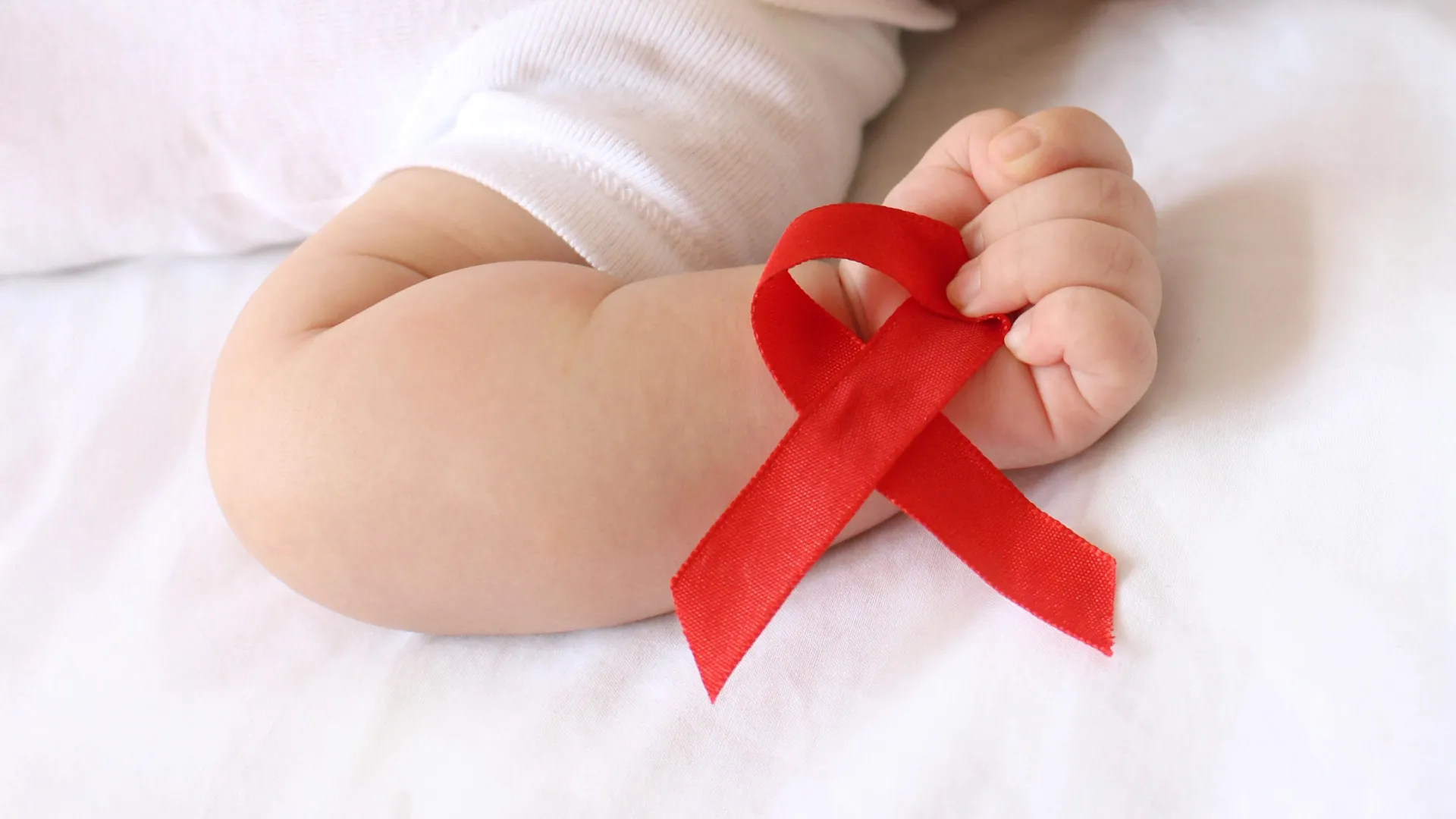
Every year, more than 120,000 infants across the globe are born with HIV, thrusting them into a lifetime of medical dependency. For the millions currently living with the virus, "management" is the gold standard—a lifelong regimen of antiretroviral medication that, while life-saving, remains a perpetual tether to healthcare access and financial stability. However, a landmark study led by researchers at Oregon Health & Science University (OHSU) has unveiled a radical shift in perspective: the possibility of a permanent, functional cure.
Published in the journal Nature Microbiology, the study suggests that a specific, synchronized cocktail of three distinct therapies, if administered within 72 hours of birth, may have the capacity to completely purge the virus from a newborn’s system. This discovery, which stunned even the lead researchers, represents a potential pivot point in the decades-long battle against a global pandemic that continues to claim 600,000 lives annually.
The Triple-Action Protocol: A Synergistic Defense
The study, a multi-institutional effort involving the Oregon and California National Primate Research Centers, tested a novel combination of three therapeutic agents. Individually, these components have been studied for years, yet none have succeeded in achieving a permanent clearance of the virus.
The regimen consists of:
- Standard Antiretroviral Therapy (ART): The backbone of modern HIV management, which prevents the virus from replicating.
- Broadly Neutralizing Antibodies (bNAbs): Specialized proteins that identify and corral circulating viral particles, preventing them from spreading through the bloodstream.
- Leronlimab: An experimental monoclonal antibody that acts as a gatekeeper for immune cells.
For years, Dr. Jonah Sacha, professor and chief of pathobiology and immunology at OHSU’s Vaccine and Gene Therapy Institute, was skeptical that mere combination would yield a superior outcome. However, his colleague, Dr. Nancy Haigwood—a renowned virologist and immunologist—hypothesized that the cumulative effect of these three distinct mechanisms would be far greater than the sum of their parts.
The "Faucet, Mop, and Valve" Mechanism
To explain the efficacy of the cocktail, Dr. Haigwood employs a vivid, mechanical analogy:
- Turning off the faucet: ART acts as the primary control, minimizing the virus’s ability to replicate and spread.
- Mopping up: The neutralizing antibodies act as a containment force, gathering the virus so it cannot circulate through the blood supply.
- Sealing off: Leronlimab functions as a water-tight valve, blocking the CCR5 surface protein—a primary "doorway" HIV uses to infiltrate healthy immune cells.
By "sealing the room" while simultaneously mopping up the spill and turning off the source, the researchers created a multi-layered defensive shield that the virus could not penetrate or escape.
A Chronology of Discovery: From Skepticism to Breakthrough
The road to this discovery was paved with years of individual research into the mechanisms of viral entry and immune response.
- Initial Phases: Researchers focused on understanding the CCR5 protein. Dr. Sacha’s work on leronlimab centered on preventing HIV from entering cells by blocking this protein. Simultaneously, Dr. Haigwood’s decades of work focused on the evolution of broadly neutralizing antibodies.
- The Collaboration: Recognizing that individual therapies were failing to reach "sterilizing immunity" (the total eradication of the virus), the OHSU team combined their resources and expertise.
- The Nonhuman Primate Trials: Using models that mirror human physiology, the team initiated the study in infants exposed to the virus. The protocol mandated administration of the triple-therapy within a strict 72-hour window following infection.
- The Result: The findings were, in the words of Dr. Haigwood, "astounding." After a several-week treatment period, the virus was not merely suppressed; it appeared to be eliminated. The team successfully demonstrated that this synergistic approach could achieve what none of the components had accomplished in isolation.
Supporting Data and Anatomical Parallels
The optimism surrounding this research is rooted in the biological similarities between the nonhuman primate models used and the human body. Because these animals share critical anatomical and immunological pathways with humans, the success observed in the laboratory is viewed as a high-fidelity predictor of how the treatment might perform in human clinical trials.
The data suggest that the "first window" of infection—the initial days following exposure—is the most critical. While traditional treatments are often initiated weeks or months after exposure, this study underscores the immense, untapped potential of immediate intervention.
"There was no reason to think this would completely clear the virus," Dr. Sacha remarked, reflecting on the moment the data became clear. "It’s one of those things where you test it and, holy cow, it works and you’ve discovered something new."
Official Responses and The Path Toward Human Trials
The medical community has reacted with cautious, tempered excitement. While the results in primates are unprecedented, the researchers emphasize that there is significant work ahead before this becomes a standard of care.
The Clinical Pathway
The next logical step, according to the research team, is moving into human clinical trials. Dr. Sacha notes that these trials would likely begin with adults who have been recently exposed to HIV to test safety and initial efficacy before moving into pediatric populations. Because antiretroviral therapy is already FDA-approved and both neutralizing antibodies and leronlimab are currently being evaluated in separate trials, the regulatory hurdle for combining them is significantly lower than if they were entirely new, unstudied compounds.
"The really exciting part is that it could go to clinical trials immediately to eliminate HIV infection in newborns," Dr. Sacha said.
Funding and Institutional Support
The success of this study was made possible through a robust network of support from the National Institutes of Health (NIH). Financial backing was provided by the Eunice Kennedy Shriver National Institute of Child Health and Human Development and the National Institute of Allergy and Infectious Diseases, among other entities. This institutional backing ensures that the research remains grounded in rigorous peer-reviewed standards.
Implications for Global Public Health
If the triple-therapy protocol proves successful in human trials, the implications for global health are profound.
Eradicating Vertical Transmission
Currently, preventing mother-to-child transmission is a massive logistical challenge that requires strict adherence to medication during pregnancy and breastfeeding. A post-birth, short-course "cure" would fundamentally change the landscape of pediatric HIV. It would remove the stigma and the socioeconomic burden of lifelong medication for children born into disadvantaged regions, potentially ending the cycle of vertical transmission for good.
Expanding the Treatment Window
One of the most pressing questions now facing the team is the duration of the "treatment window." In the current study, the protocol was administered within 72 hours. The researchers are now seeking to understand how far that window can be extended.
- Could this work a week after infection?
- What about two weeks?
By determining the outer limits of this therapeutic window, scientists may be able to offer a cure not just to newborns, but to adults who have recently contracted the virus, potentially stopping the progression of the disease before it establishes a permanent reservoir in the body.
A New Era of Immunology
Beyond HIV, this research provides a roadmap for treating other persistent viral infections. The strategy of using a combined regimen to "turn off, mop up, and seal" represents a sophisticated approach to immunology that could be applied to various chronic infections where the pathogen hides in cellular reservoirs.
Conclusion: A Shift in the Paradigm
For decades, the HIV/AIDS epidemic has been a story of endurance—of surviving with a virus that, while manageable, was considered a lifelong companion. The OHSU study suggests that we are entering a new era, one where "management" is replaced by "elimination."
While the researchers remain grounded in the reality of clinical trial requirements and the complexities of human biology, the results from their primate study provide a flicker of light that may soon illuminate a path to a world without infant HIV. As the scientific community prepares for the next phase of testing, the message from the OHSU team is clear: we are no longer just fighting to suppress the virus; we are learning how to finish it.