










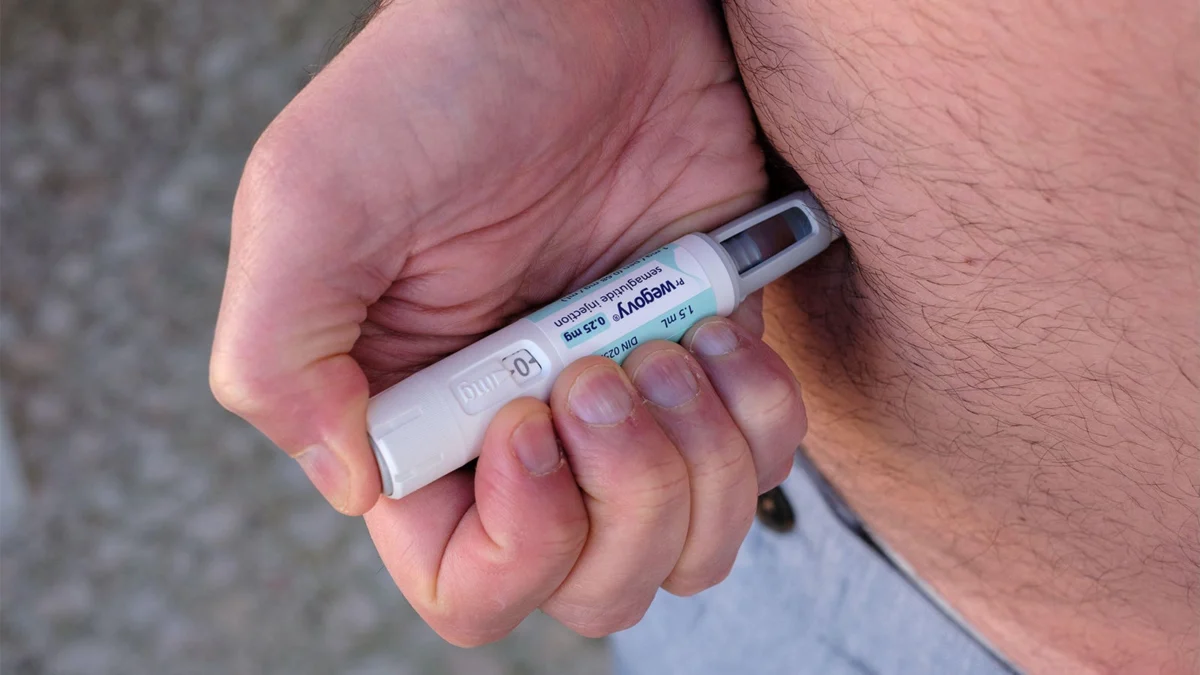
In a significant development for geriatric cardiology and metabolic health, a secondary analysis of the landmark SELECT trial has revealed that the GLP-1 receptor agonist semaglutide (Wegovy) provides consistent cardiovascular protection for patients regardless of their baseline frailty status. The findings, published in JAMA Cardiology, challenge the long-standing clinical hesitation to treat frail, older adults with intensive weight-management therapies, suggesting that these patients may derive as much—if not more—benefit from the medication as their more robust counterparts.
The Core Findings: Efficacy Across the Frailty Spectrum
The study, led by Dr. John Ostrominski of Brigham and Women’s Hospital and Harvard Medical School, examined data from 17,604 participants enrolled in the original SELECT trial. The participants, all of whom had overweight or obesity and established cardiovascular disease (but not diabetes), were evaluated using a comprehensive 31-item frailty index.
By the 104-week mark, the data showed that semaglutide’s ability to reduce the primary composite outcome—a combination of cardiovascular death, nonfatal myocardial infarction, and nonfatal stroke—remained consistent across all levels of frailty. There was no statistically significant heterogeneity observed in the drug’s performance (P=0.09 for interaction).
Beyond major adverse cardiovascular events (MACE), the drug proved equally effective at reducing secondary endpoints, including heart failure-related events, all-cause hospitalizations, and all-cause mortality, irrespective of whether a patient was classified as “not frail,” “more frail,” or “most frail.”
Chronology of the Research and Trial Context
The original SELECT trial was a multinational, randomized, double-blind, placebo-controlled study designed to determine whether weekly subcutaneous semaglutide could mitigate cardiovascular risk in a population with overweight or obesity. While the primary trial results were celebrated for demonstrating a 20% reduction in MACE, questions remained regarding the drug’s profile in the most vulnerable segment of the population: the frail.
Following the publication of the primary trial, the research team initiated this post-hoc analysis to address a critical gap in medical literature.
- Study Population: The analysis focused on 17,604 adults (mean age 61.6, 72.3% male).
- Categorization: Using a 31-item deficit-accumulation frailty index, researchers categorized 31% as "not frail," 47% as "more frail," and 22% as "most frail."
- The Baseline Profile: The study noted that frailer participants were, on average, older, more likely to be female, and more likely to have a history of tobacco use. They also presented with higher body mass indexes (BMI) and a greater burden of obesity-related comorbidities.
- Analysis Timeline: By tracking participants over 104 weeks, the team was able to assess not just static health outcomes, but the longitudinal impact of the medication on frailty status itself.
Supporting Data: The Modifiability of Frailty
Perhaps the most compelling evidence to emerge from the study is the suggestion that frailty is not necessarily a fixed state. In fact, participants treated with semaglutide were significantly more likely to see their frailty index improve (odds ratio 2.46) and less likely to experience a decline in their physical or cognitive functional status (odds ratio 0.47) compared to the placebo group.
Quality of Life Improvements
While cardiovascular metrics were the primary focus, the study highlighted a distinct advantage in health-related quality of life (HRQoL). Utilizing the EuroQol 5-Dimension 5-Level index, the researchers found that the most frail participants experienced the greatest gains in quality of life compared to their non-frail peers. These improvements were specifically tied to:
- Enhanced Mobility: Improved ease of movement and physical navigation.
- Self-Care: Better ability to attend to personal hygiene and daily living tasks.
- Daily Activities: Greater capacity to engage in routine tasks without assistance.
Furthermore, the data regarding treatment persistence was highly favorable. Contrary to the fear that frail patients might discontinue the drug due to adverse events, those in the semaglutide group were actually less likely to permanently cease treatment compared to those in the placebo group (P<0.001 for interaction).
Official Responses and Clinical Interpretation
Dr. John Ostrominski, the lead investigator, described the findings as a crucial "message of reassurance" for clinicians. Speaking to MedPage Today, he noted that, historically, frail adults have been frequently undertreated for cardiovascular risks due to physician anxiety regarding "attenuated benefits" or an increased risk of adverse events.
"Despite high risks of adverse health outcomes, persons with frailty are often undertreated," Dr. Ostrominski explained. "This analysis suggests that the benefit/risk balance may be favorable for semaglutide, even in persons with frailty."
He drew parallels between these findings and the trajectory of other cardiometabolic treatments, such as SGLT2 inhibitors and finerenone, which were also initially approached with caution in elderly or frail populations before being validated as safe and effective. By aligning semaglutide with these established therapies, the study provides a stronger evidence base for treating older, more vulnerable patients.
However, the researchers were careful to provide context regarding the study’s limitations. Dr. Ostrominski emphasized that because this was a post-hoc analysis of an existing trial, the findings should be viewed as hypothesis-generating rather than definitive clinical guidelines. He also noted that "frailty" is a complex construct. While the 31-item deficit index used here is a gold-standard, validated tool, it differs from physical frailty phenotypes that focus on sarcopenia, weakness, and gait speed.
Implications for Future Clinical Practice
The implications of this analysis for the medical community are multifaceted. First, it encourages a shift in clinical mindset: rather than viewing obesity management as a pursuit for the young and healthy, it should be considered a strategy to prevent or even reverse the progression of frailty in the aging population.
Personalized Medicine
Despite the positive findings, the researchers cautioned that these results do not constitute a "one-size-fits-all" mandate. Decisions regarding GLP-1 receptor agonists should remain individualized. Dr. Ostrominski explicitly advised that clinicians should continue to monitor patients closely, emphasizing the importance of pairing pharmacological intervention with "rigorous attention to optimal dietary and physical activity approaches."
The Call for Targeted Research
While the study was large, the exploratory nature of the frailty subgroups means that future research is needed to refine these results. Specifically, the medical community needs more data on:
- Muscle Mass and Function: How GLP-1 therapies interact with sarcopenia (the loss of muscle mass), which is a key component of frailty.
- Diverse Populations: Further exploration of how different definitions of frailty (physical vs. deficit-based) respond to long-term semaglutide use.
- Long-term Sustainability: Assessing whether the improvements in frailty markers are sustained beyond the two-year window observed in this trial.
Conclusion: A Paradigm Shift?
The secondary analysis of the SELECT trial serves as a powerful reminder that "frailty" is not a contraindication for potentially life-saving cardiovascular therapies. By demonstrating that semaglutide can reduce mortality and hospitalizations—while simultaneously improving daily functionality—the study provides clinicians with the evidence needed to broaden the reach of metabolic care.
As the population ages, the intersection of obesity and frailty will become a defining challenge for modern cardiology. If the findings from this study hold true in real-world clinical practice, the use of GLP-1 receptor agonists may represent a significant leap forward in ensuring that older adults not only live longer, but live with greater autonomy and a higher quality of life. For now, the message is clear: when carefully managed, the benefits of weight-loss medication can reach those who need it most, regardless of their frailty status.