










In the complex, high-stakes battle against breast cancer, oncologists have long faced a persistent, frustrating adversary: the "relapse." Even after aggressive chemotherapy or surgical intervention, some patients face the return of the disease months or years later. A groundbreaking new study, published in the journal Genome Medicine, provides a compelling explanation for this phenomenon.
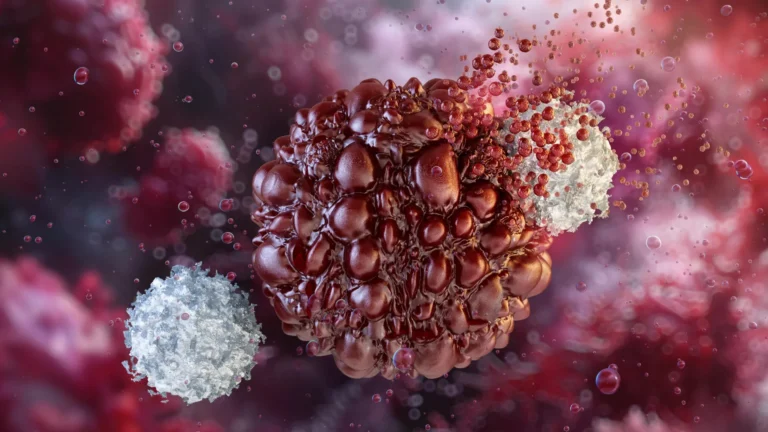
Researchers from the MRC Laboratory of Medical Sciences (LMS), Imperial College London, and the UCL Genetics Institute have successfully mapped the internal architecture of breast tumors, revealing a sophisticated cellular landscape. Their findings show that tumors are not uniform masses of rapidly dividing cells, but rather heterogeneous ecosystems containing distinct "neighborhoods." Crucially, the study identifies pockets of dormant, or "quiescent," cancer cells that reside behind biological shields, shielded by supportive immune and connective tissue cells. This discovery shifts the paradigm of cancer treatment, suggesting that long-term survival may depend on our ability to target not just the fast-growing cells, but the dormant ones hiding in plain sight.
The Landscape of the Tumor: Main Facts
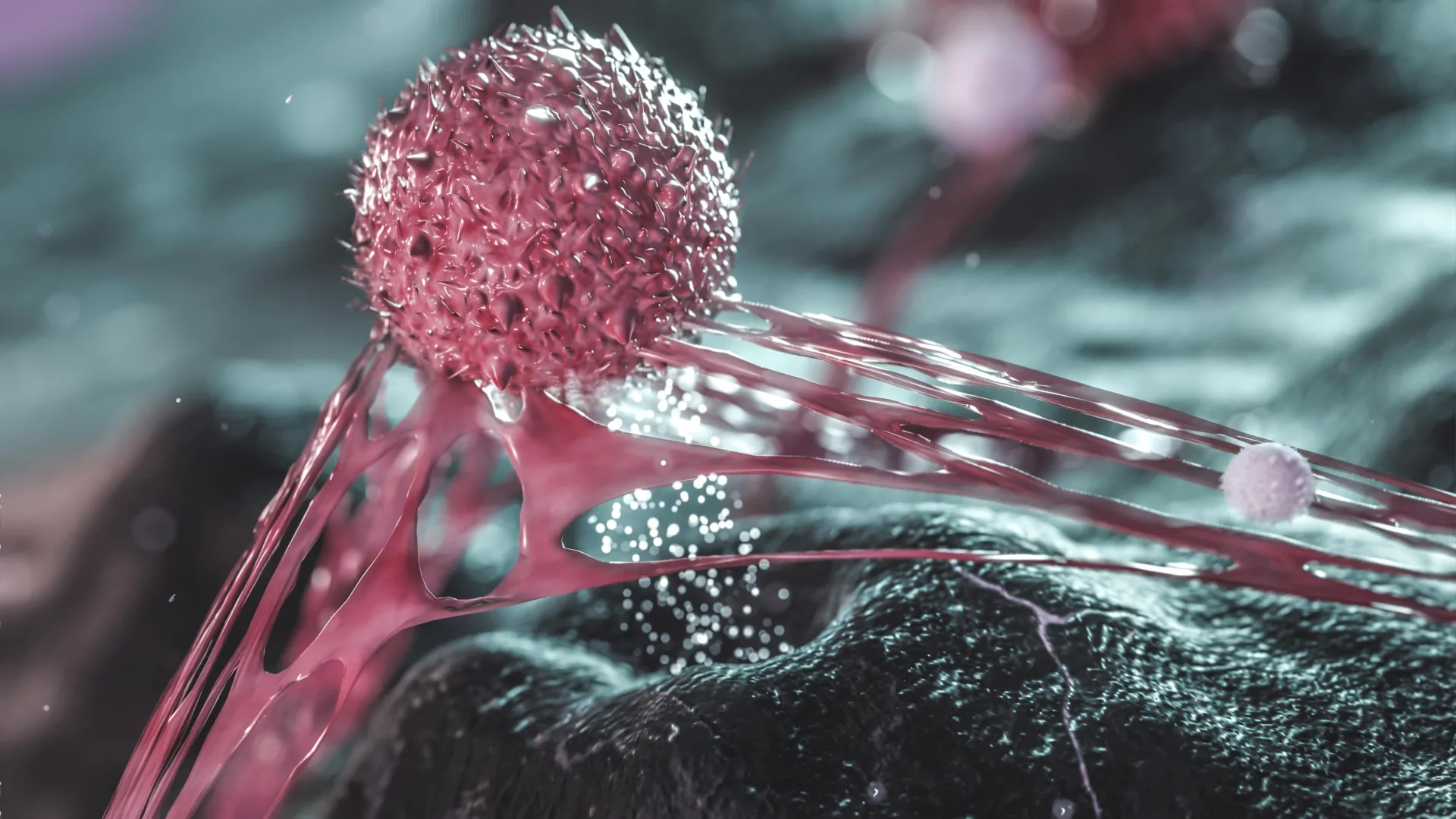
A breast tumor is a biological microcosm—a chaotic, evolving environment where cancer cells coexist with blood vessels, immune cells, and structural connective tissue. While the aggressive, rapidly proliferating cells are the primary targets of conventional chemotherapy, they represent only one part of the danger.
The research team, led by Dr. Alexis Barr and Dr. Maria Secrier, utilized advanced computational biology to create a high-resolution map of this environment. They identified a subset of cancer cells that exist in a state of deep "quiescence." These cells are not dying; they are simply holding their breath. By entering a dormant state, these cells bypass the mechanisms of traditional chemotherapy, which is designed to kill cells that are actively in the process of dividing.
The study highlights three critical realities:
- Pre-existing Resistance: Characteristics of therapy-resistant, dormant cells are present in the tumor before treatment begins, rather than evolving solely as a response to it.
- The "Shielding" Effect: These dormant cells are physically and biologically clustered with specific immune cells (CXCL10-positive macrophages) and connective tissue cells (myofibroblastic cancer-associated fibroblasts).
- Regional Heterogeneity: Tumors are spatially organized. A single tumor may contain highly active "proliferative" zones and deeply dormant "refuge" zones, requiring distinct therapeutic strategies for each.
Chronology of Discovery: From Data to Mapping
The journey to this discovery began with the integration of multi-omic data. The team recognized that while we knew that cancer could recur, we lacked a clear map of where the potential culprits were hiding.
The Analytical Approach
The researchers combined two sophisticated methodologies:
- Single-cell RNA sequencing: This allowed the scientists to look at the genetic expression of individual cells, identifying which genes were "turned on" and, by extension, which cells were in a dormant versus active state.
- Spatial transcriptomics: This technique provided the "where." By maintaining the structural integrity of the tissue samples, the researchers were able to see exactly where these dormant cells were positioned relative to their neighbors.
The Discovery Phase
As the team processed the data, a pattern emerged that surprised them. They expected dormancy to be a feature of slow-growing or less aggressive tumor types. Instead, they found these dormant "reservoirs" in both aggressive and slow-growing breast cancers. This suggested that dormancy is a universal survival strategy employed by cancer cells across the spectrum of breast cancer severity. The chronological mapping revealed that these cells were not randomly distributed; they were consistently found in close proximity to a specific cohort of support cells that appeared to act as a protective "neighborhood."
Supporting Data: The Biology of the Shield
The role of the tumor microenvironment has been a subject of intense interest, but this study provides some of the clearest evidence to date regarding the interaction between cancer cells and their support network.
The data indicates a symbiotic, albeit dangerous, relationship. The presence of CXCL10-positive macrophages and myofibroblastic cancer-associated fibroblasts near dormant cancer cells is statistically significant. The research team posits that these cells may form a physical barrier, preventing chemotherapeutic agents or immune-killing cells from reaching the cancer cells.
Furthermore, the team detected increased activity in the complement pathway—a part of the innate immune system—within these dormant niches. This is a critical finding. If the complement pathway is being co-opted to maintain the "dormant" state or to protect the cells from external stressors, it represents a potential "Achilles’ heel." By targeting this pathway, clinicians might be able to force these dormant cells out of their hiding spots or render them susceptible to conventional treatments.
Official Responses: Insights from the Lead Investigators
The implications of this study are being discussed widely in the oncology community. Dr. Alexis Barr, head of the Cell Cycle Control group at the LMS, emphasizes the urgency of shifting the focus toward these hidden cells.
"Quiescent cancer cells are very dangerous," Dr. Barr explains. "These cells can hide from chemotherapy and then remain in this dormant quiescent state in the tumor, and then later reactivate to drive proliferation." Drawing a comparison to hibernation, Dr. Barr notes that these cells are essentially waiting for the "storm" of chemotherapy to pass. "If we want to achieve long-term control of peoples’ tumors and prevent tumor relapse, we have to focus on these dormant quiescent cancer cells."
Dr. Maria Secrier, who led the computational biology team at UCL, highlights the importance of the spatial findings. "The cancer cells are really encapsulated within these areas of macrophages and fibroblasts that we think act as shields," she says. Dr. Secrier notes that while the exact directionality of the relationship—whether the cancer cells attract these fibroblasts or the fibroblasts induce the dormancy—is still being explored, the result is the same: a protected, treatment-resistant pocket of disease.
"If we understand what drug combinations we can use to target both the proliferative and the dormant areas, potentially that could be more successful than current therapies," Dr. Secrier adds.
Implications: A New Era of Combination Therapy
The findings published in Genome Medicine do not suggest that current treatments are useless; rather, they suggest that our current strategy is incomplete. The "one-size-fits-all" approach to a tumor mass is increasingly being replaced by a vision of precision medicine that accounts for spatial and cellular diversity.
Redefining Success
If a tumor is composed of distinct regions—some growing, some hibernating—then the "success" of a treatment must be measured by how effectively it clears the entire landscape. Future therapies might involve a "dual-action" approach:
- The Active Attack: Standard chemotherapy or targeted inhibitors continue to address the fast-growing bulk of the tumor.
- The Dormancy Disruptor: A secondary, specialized treatment aimed at the "protective neighborhoods" or the signaling pathways (like the complement pathway) that maintain dormancy.
The Path Forward
The researchers acknowledge that this work is a foundational step. The next phase will involve experimental validation—testing whether breaking down the "shield" of fibroblasts and macrophages can indeed expose dormant cells to existing drugs.
There is also the potential for diagnostic innovation. If clinicians can use spatial transcriptomics or similar imaging techniques to identify these "dormant niches" in a patient’s biopsy, they might be able to tailor treatment plans to include agents that prevent future relapse before the cancer even has a chance to wake up.
A Holistic View of Cancer
By viewing the tumor as an ecosystem rather than a monolith, researchers are gaining a better understanding of how cancer evolves and survives. The realization that treatment resistance is often an inherent trait of these dormant cells—rather than a new mutation acquired during treatment—changes how we think about clinical trial design and drug development.
This research, funded by the UKRI Future Leaders Fellowship, the Medical Research Council, and the Biotechnology and Biological Sciences Research Council, serves as a beacon for future oncology research. It underscores a fundamental truth: to defeat cancer, we must not only outrun the cells that are spreading but also outsmart the ones that are waiting. As we continue to refine our cellular maps, the goal of turning cancer from a recurring, life-threatening disease into a manageable, long-term condition becomes increasingly attainable.