










For decades, the global nutritional landscape has been defined by a stark trade-off: the consumption of animal protein—specifically beef—remains the most reliable way to obtain essential vitamin B12, yet the environmental cost of industrial livestock production is increasingly viewed as untenable. Now, a groundbreaking study published in the journal Discover Food suggests that a simple, photosynthetic tweak to one of nature’s most resilient organisms could bridge the gap between planetary health and human nutrition.
A team of international researchers, led by Dr. Asaf Tzachor of Reichman University, has successfully cultivated Spirulina—a blue-green algae long heralded as a "superfood"—that produces biologically active vitamin B12 at levels that not only match but potentially exceed those found in beef. This development marks the first time that active, bioavailable B12 has been synthesized in Spirulina, effectively removing the primary nutritional hurdle that has historically prevented the algae from becoming a true, sustainable substitute for animal-derived nutrients.
The Essential Vitamin B12 Dilemma
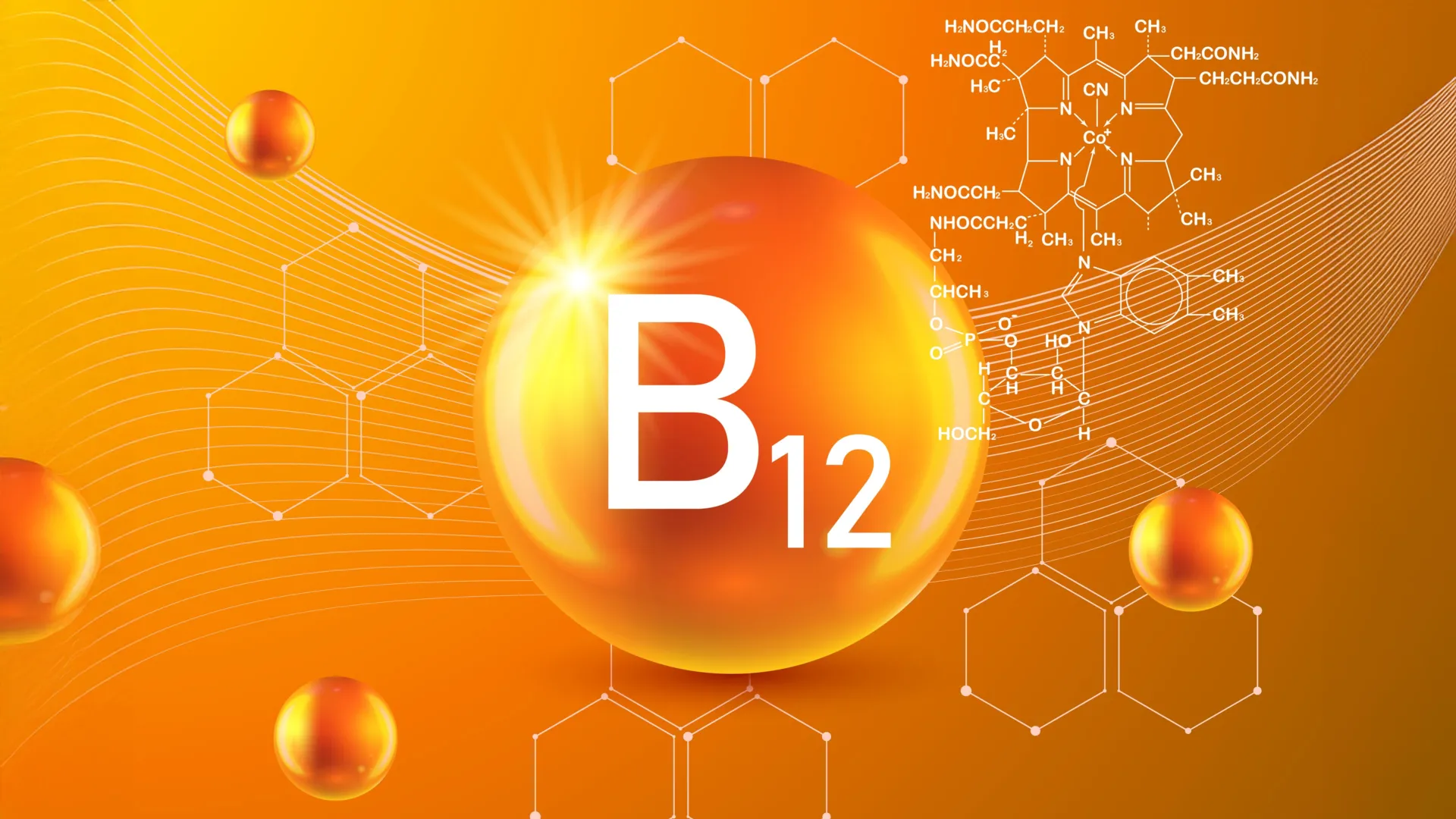
Vitamin B12, or cobalamin, is a critical micronutrient that the human body cannot synthesize on its own. It plays an indispensable role in the formation of red blood cells, the maintenance of the nervous system, and the synthesis of DNA. A deficiency in B12 can lead to megaloblastic anemia, nerve damage, and cognitive impairment.
Globally, the scale of this deficiency is staggering. Estimates suggest that more than a billion people suffer from low levels of the vitamin, largely due to dietary restrictions, poor access to animal products, or malabsorption issues. In the modern food system, the heavy reliance on meat and dairy to meet these requirements has created a dual crisis: a public health challenge concerning nutrient accessibility and an environmental crisis driven by the massive land, water, and carbon footprint of livestock agriculture.
While Spirulina (Arthrospira platensis) has been touted as a sustainable alternative due to its rapid growth rate and nutrient density, it has historically failed as a B12 source. Previous batches of Spirulina contained high levels of "pseudo-vitamin B12." While chemically similar to the vitamin required by humans, this pseudo-form is biologically inactive, meaning it does not bind to human transport proteins and provides no nutritional benefit. This limitation has kept Spirulina on the periphery of the global food security conversation—until now.
Chronology of a Scientific Breakthrough
The path to this discovery was paved through a multi-institutional collaboration involving Reichman University, the University of Natural Resources and Life Sciences in Vienna, the Ruppin Academic Center, the Danish Technological Institute, and MATIS in Iceland.
The Exploratory Phase
The project began as an investigation into the technological platform developed by VAXA Technologies, an Icelandic firm specializing in precision aquaculture. The research team sought to determine if the nutritional profile of microalgae could be "programmed" through environmental manipulation rather than genetic modification.
The Methodology: Photonic Management
The core of the study involved "photonic management." By subjecting the Spirulina to carefully calibrated, artificial light spectrums within a controlled, high-tech bioreactor environment, the researchers were able to trigger metabolic pathways that had previously remained dormant or inactive.
Validation and Results
The breakthrough occurred when the resulting biomass was tested for nutrient composition. The team found that the bio-engineered algae contained 1.64 µg of active vitamin B12 per 100 grams of dry weight. For comparison, the same quantity of beef typically provides between 0.7 and 1.5 µg. This confirmed that the Spirulina was not only producing the vitamin but producing it in a form that is bioavailable to the human body.
Supporting Data: From Lab to Landscape
The study provides a compelling case for the scalability of this technology. By analyzing the energy inputs and the engineering design of the VAXA platform, the researchers modeled a hypothetical, large-scale production scenario centered in Iceland, where geothermal energy could provide the power necessary to run the systems.
Scaling for Global Impact
If the electricity currently consumed by heavy industries in Iceland were redirected toward large-scale Spirulina cultivation, the researchers estimate a production capacity of 277,950 tonnes of biomass annually. This output would translate to roughly 4,555 grams of active vitamin B12 per year.
To put these figures into a humanitarian context:
- The RDA Benchmark: The recommended daily allowance for vitamin B12 is 2.4 µg.
- Child Nutrition: At the proposed scale, this production would meet the Recommended Dietary Allowance (RDA) for more than 13.8 million children aged 1–3 years.
- Ambitious Scaling: Under more aggressive production scenarios, the researchers estimate the technology could supply enough B12 to cover the RDA for over 26.5 million children in the 1–3 age bracket and over 50 million infants aged 0–6 months.
While these numbers remain projections based on theoretical expansion, they serve as a proof-of-concept that demonstrates how, with sufficient infrastructure, the dependency on livestock for this specific nutrient could be drastically reduced.
Official Responses and Scientific Context
Dr. Asaf Tzachor, Founder and Academic Director of the Aviram Sustainability and Climate Program at Reichman University, emphasized that the significance of this research lies in its departure from traditional farming methods.
"The findings demonstrate that photosynthetically controlled Spirulina can produce desirable levels of active vitamin B12, offering a sustainable alternative to traditional animal-source foods," Dr. Tzachor stated.
The academic community has noted that the study does more than just produce B12; it validates the use of biotechnology to "nudge" microorganisms toward specific nutritional outcomes. Beyond the B12, the biomass produced in the study was found to be rich in other bioactive compounds, including antioxidants and anti-inflammatory agents, which could offer additional health benefits to consumers.
However, the researchers remain cautious. They acknowledge that while the biology is sound, the transition from lab-scale success to global food-system integration requires solving complex logistics. "This is a step toward developing more sustainable sources of essential nutrients," the team noted in their conclusion, "but further research and larger-scale production will be needed to determine how the technology could fit into real-world food systems."
Implications: A New Era for Food Security?
The implications of this study are far-reaching, touching on climate change, public health, and agricultural policy.
Reducing the Environmental Footprint
The current model of beef production is one of the most significant contributors to greenhouse gas emissions, land degradation, and water scarcity. By shifting the production of a key nutrient like B12 to algae, we move toward a model of "precision nutrition." Because the Spirulina is cultivated in closed, controlled environments, it requires a fraction of the land and water that cattle farming necessitates, and the process can be powered by renewable energy sources, rendering the final product carbon-neutral.
Empowering the "Food-as-Medicine" Movement
The ability to influence the nutritional output of a crop through light conditions opens the door to a new form of agriculture. Instead of relying on nature to provide the correct balance of nutrients, we can optimize food sources to address specific global deficiencies. This could be particularly impactful in developing nations where access to high-quality animal protein is limited by cost or supply chain constraints.
The Role of the Aviram Sustainability and Climate Program
The research was conducted under the auspices of the Aviram Sustainability and Climate Program, an initiative dedicated to addressing the nexus of resource scarcity and climate change. By training the next generation of scientists and policymakers to think in terms of "biotech-integrated agriculture," the program hopes to provide actionable solutions to the food, water, and energy crises that define the 21st century.
Conclusion
The discovery that Spirulina can be engineered to synthesize biologically active vitamin B12 is more than a mere scientific curiosity—it is a potential paradigm shift in human nutrition. By decoupling the consumption of essential vitamins from the environmental toll of industrial animal agriculture, this research offers a glimpse into a future where our food systems are both nutritionally robust and ecologically restorative.
As the global population approaches 10 billion, the necessity for efficient, sustainable, and scalable nutrient production has never been more urgent. While the path to industrial-scale implementation is long and will require significant investment in infrastructure and public policy, the work of Dr. Tzachor and his colleagues provides the foundational evidence that we can, indeed, harness the power of light and biology to feed the world without depleting the planet. The age of precision-grown, nutrient-dense algae may be closer than we think.