







Published September 22, 2026
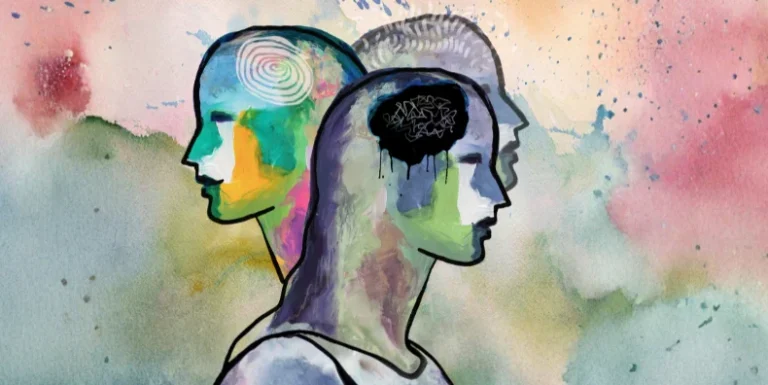
For many, the transition from slumber to consciousness is not a gentle awakening, but a high-speed collision with the demands of the day. In an era of constant connectivity, the first few minutes after the alarm rings are often hijacked by a cascade of digital notifications, mounting to-do lists, and an instinctive, anxious rush toward "productivity." This frantic start often traps the nervous system in a state of high alert, setting a tone of reactive stress that can persist until long after sunset.
However, emerging research into morning routines suggests that the most effective way to manage a chaotic day is not to sprint at the starting line, but to consciously decelerate. A five-minute morning yoga flow offers a tactical, low-stakes intervention—a "reset button" that allows individuals to reclaim their headspace before the outside world asserts its influence.
The Neuroscience of the Morning Rush
The phenomenon of "autopiloting" through the day is a direct consequence of the brain’s immediate jump to executive functioning. When we reach for our phones before our feet even touch the floor, we are essentially conditioning our brains to operate in a state of perpetual response.
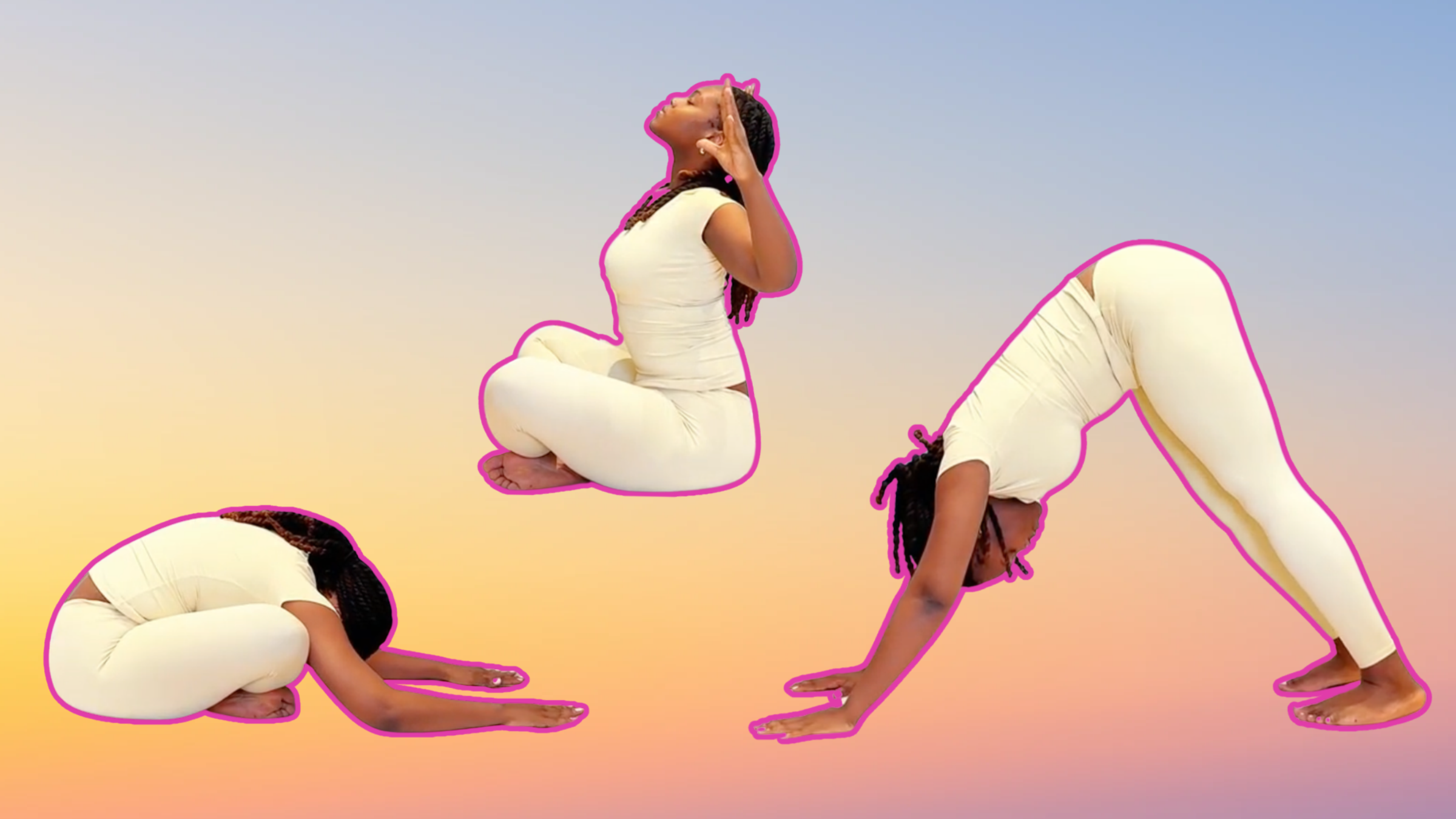
Clinical psychologists and experts in behavioral science note that the human brain requires a period of "parasympathetic stabilization" upon waking. By rushing into tasks, we force the body into a sympathetic state—the "fight or flight" mode—which increases cortisol levels and narrows our cognitive focus. A brief, intentional movement practice, such as the sequence demonstrated by yoga instructor Ramoni Overton, serves to bridge the gap between the delta-wave state of sleep and the beta-wave state of focused work.
Chronology of a Conscious Awakening
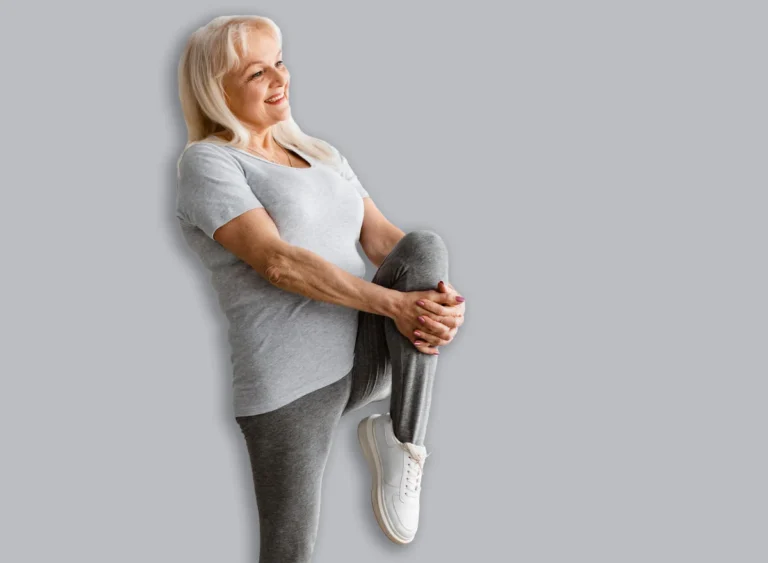
The following sequence is designed not to be an intense workout, but a somatic "checking in." By moving through these eight foundational poses, practitioners can effectively signal to their nervous system that they are safe, centered, and ready to engage with the world on their own terms.
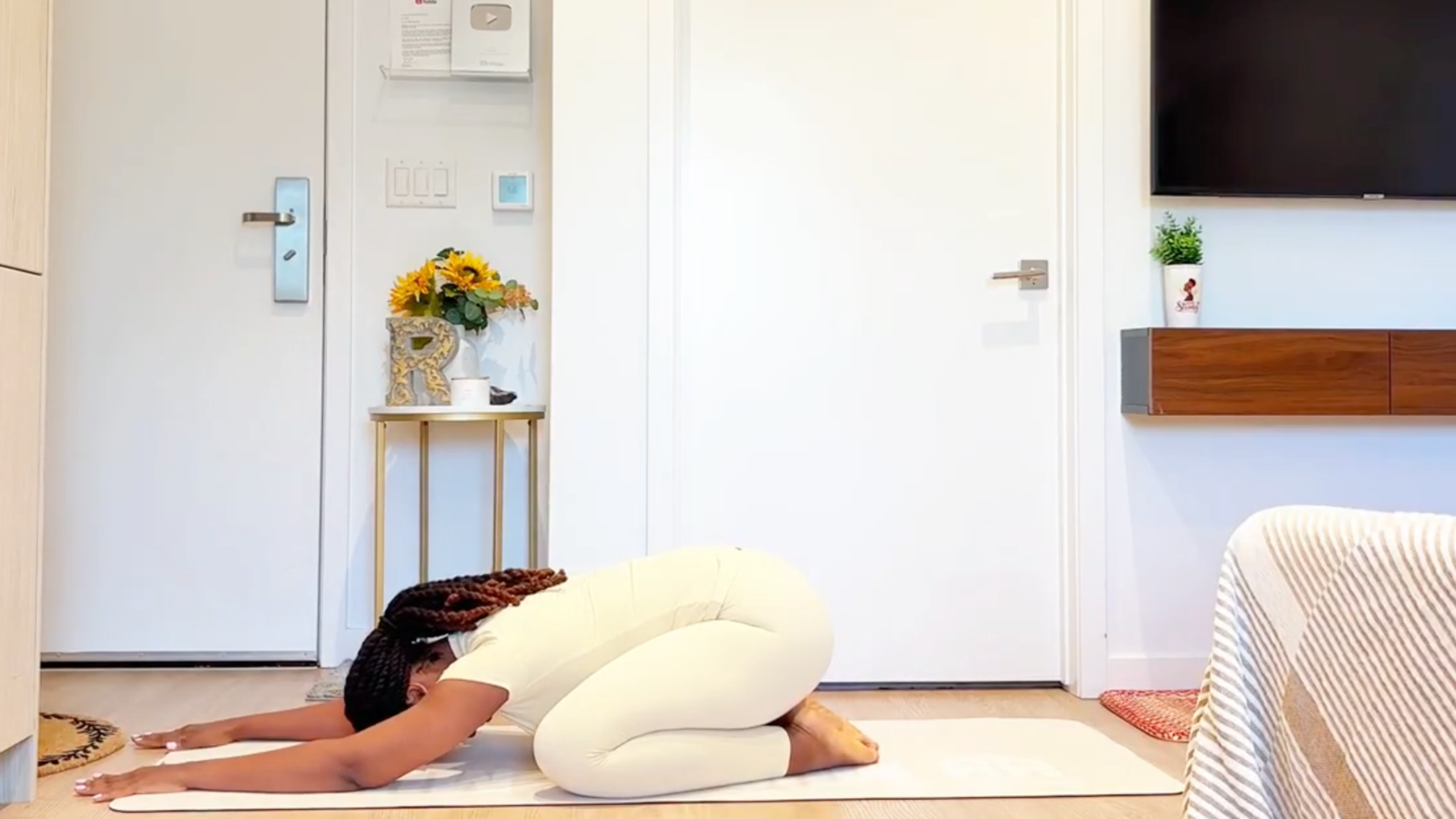
1. Child’s Pose: The Foundation of Stillness
The flow begins on the floor. By drawing the hips to the heels and extending the arms forward, the practitioner creates a physical boundary between the rest of the night and the coming day. This pose encourages deep, diaphragmatic breathing, which acts as a physical anchor.
2. Cat-Cow: Mobilizing the Spine
Once the body is grounded, the transition to hands and knees allows for the mobilization of the spinal column. Alternating between the arched back of Cow Pose and the rounded flexion of Cat Pose stimulates the spinal nerves and increases circulation to the core, waking up the body’s internal engine without the shock of high-impact movement.
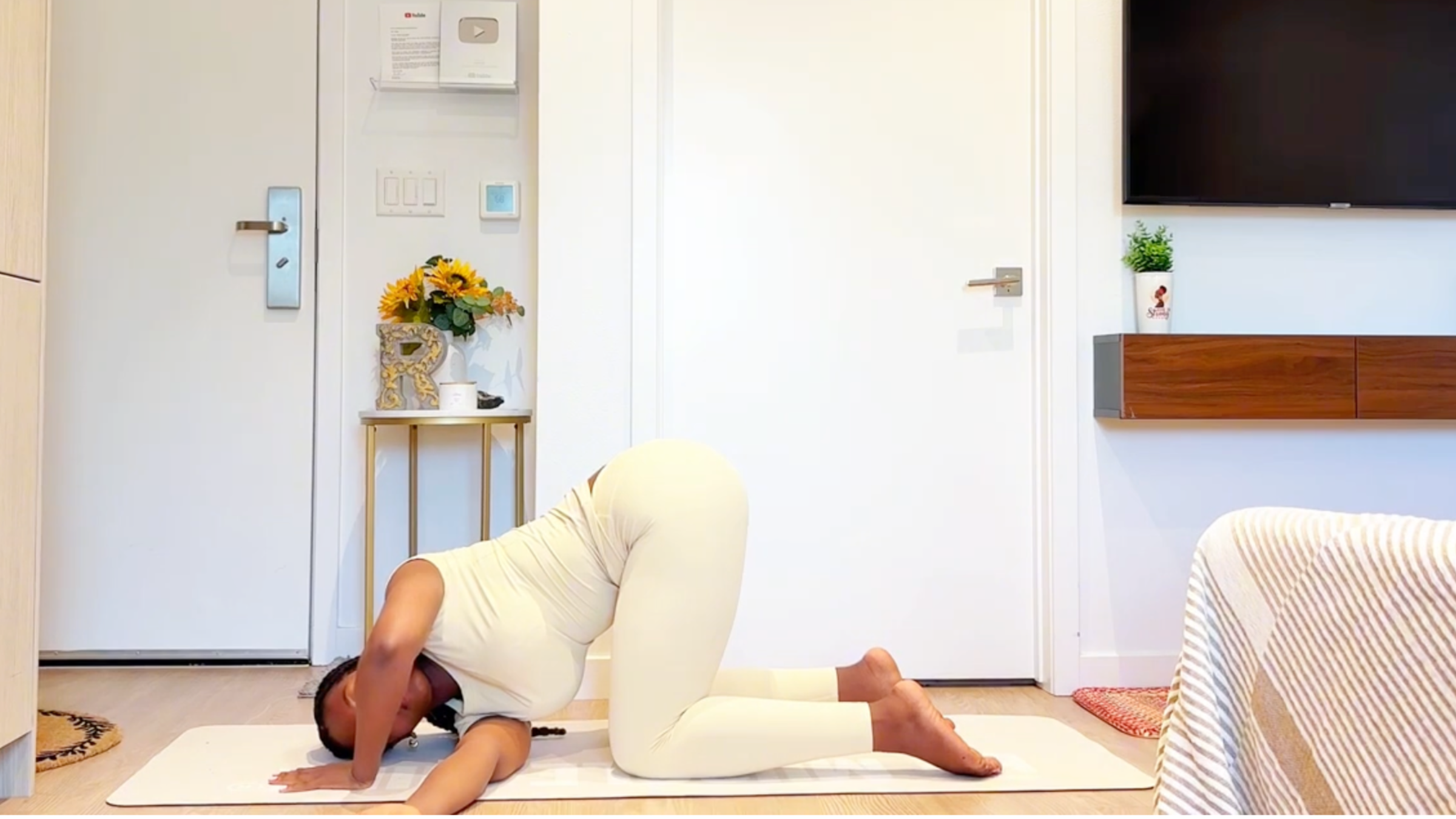
3. Thread the Needle: Releasing Tension
Chronic stress often manifests in the shoulders and upper back. By reaching one arm beneath the chest and resting the shoulder on the mat, the practitioner performs a deep thoracic stretch. This move is particularly beneficial for those who spend their days hunched over desks or mobile devices.
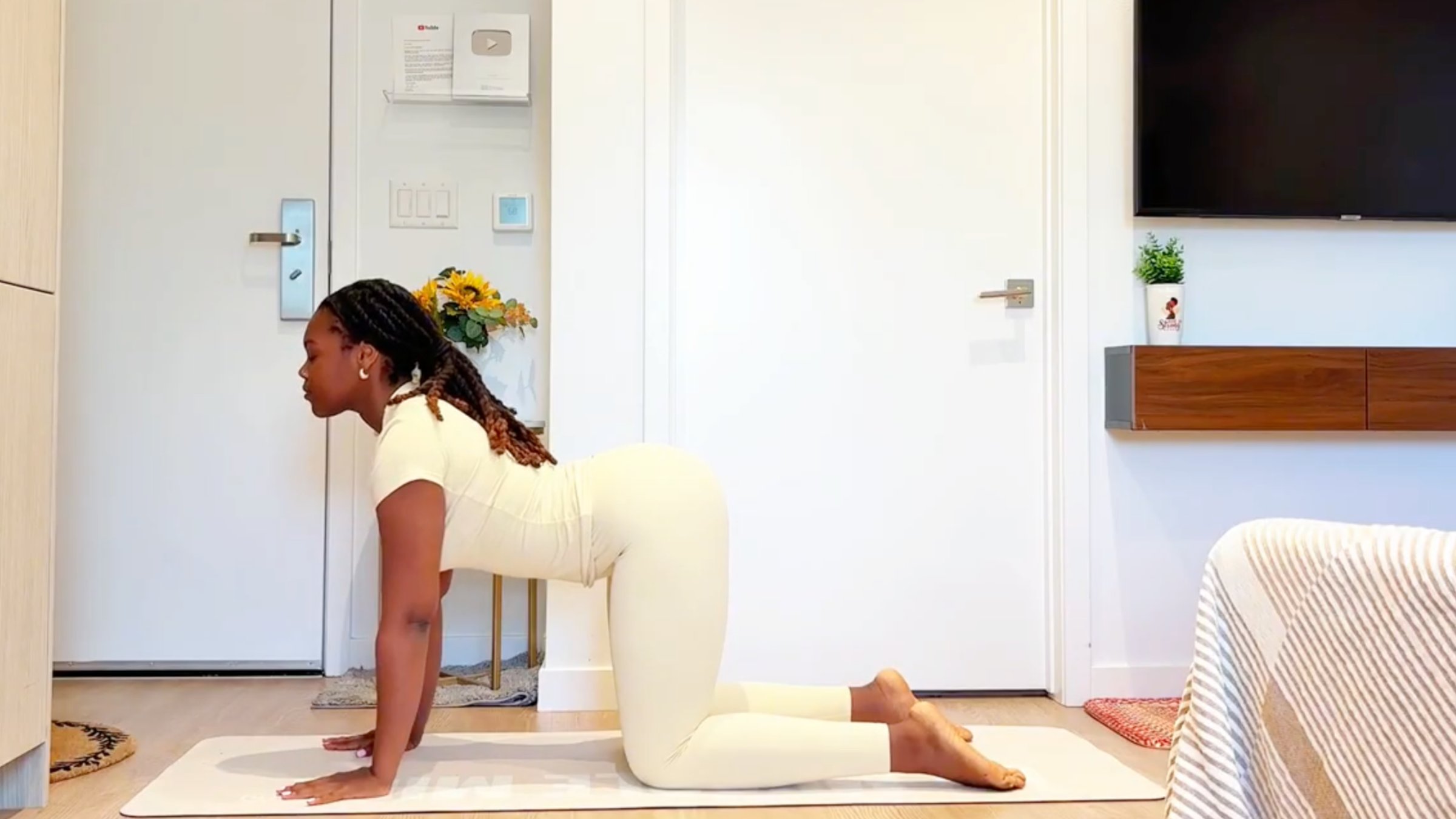
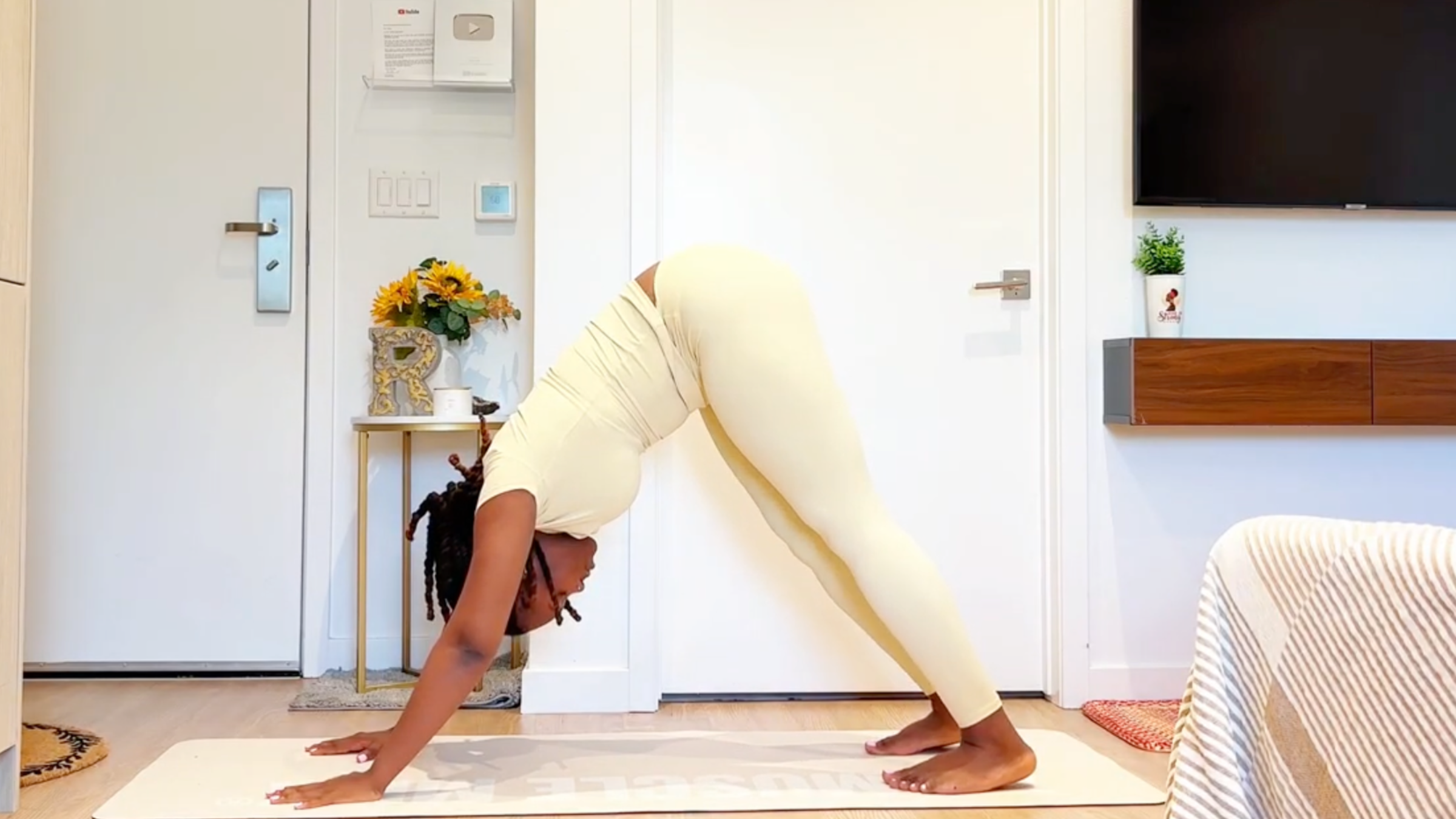
4. Downward-Facing Dog: Awakening the Posterior Chain
Moving into the classic inverted V-shape serves to lengthen the hamstrings and calves while providing a mild inversion. The change in blood flow—encouraging oxygenated blood toward the head—can provide a natural, caffeine-free boost in alertness.
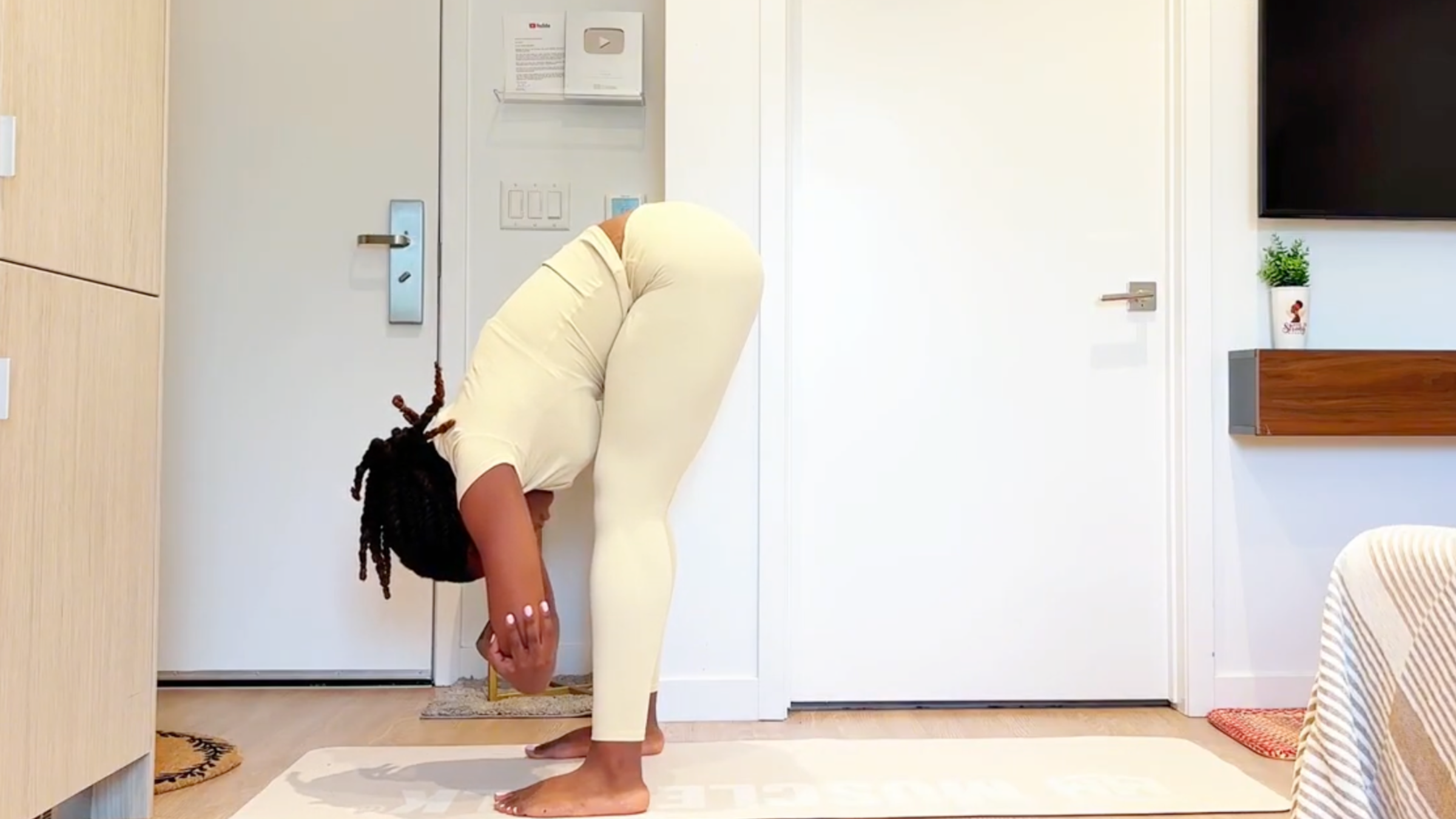
5. Rag Doll: Surrender and Decompression
Stepping the feet toward the hands and entering a standing forward fold, or "Rag Doll," allows the gravity-induced tension in the neck and lower back to dissipate. By grasping opposite elbows and swaying gently, the practitioner practices the art of "letting go" before the day even begins.
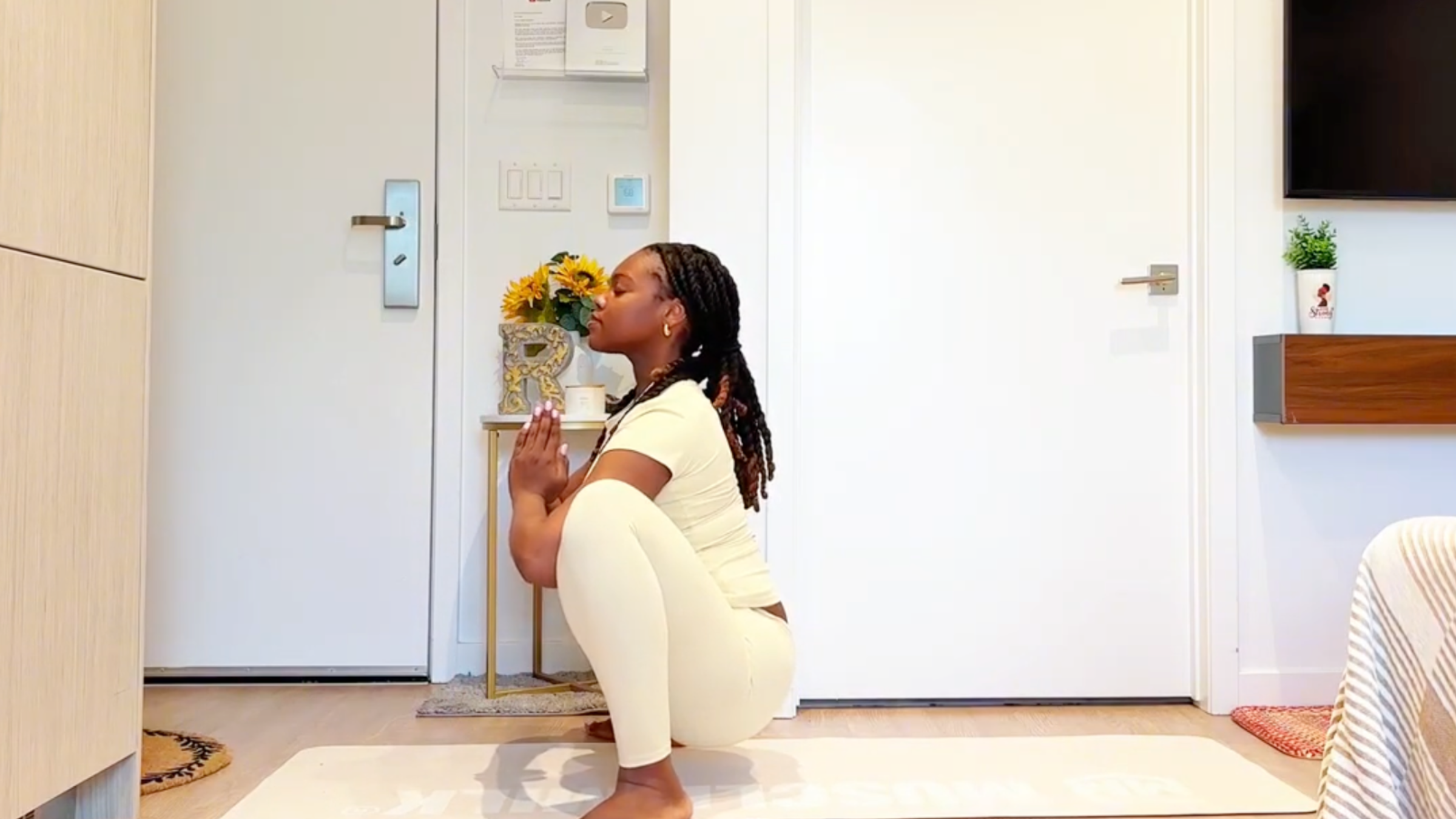
6. Squat (Garland Pose): Opening the Hips
The squat is a functional movement that engages the lower body and encourages openness in the pelvic floor and hips—areas where emotional and physical tension often accumulate. The addition of the anjali mudra (prayer position) adds a meditative component, encouraging a moment of internal silence.
7. Cross-Legged Forward Fold: The Internal Shift
Returning to a seated position, this fold encourages a turn inward. By allowing the head to rest toward the legs, the nervous system receives a signal to calm, balancing the stimulation of the previous standing poses.
8. Baby Backbend: The Final Integration
The sequence concludes with a heart-opening baby backbend. With arms in a "cactus" shape, the practitioner opens the chest and lifts the chin, symbolic of an open, receptive stance toward the coming day. The final release back into a prayer position serves as a closing ceremony for the practice.
Supporting Data: The Efficiency of Micro-Habits
While the fitness industry often emphasizes long, hour-long sessions, recent data from lifestyle wellness studies indicates that the consistency of a practice far outweighs its duration.
According to a 2025 survey on employee wellness, individuals who dedicated even five minutes to a "mindful transition" before starting work reported a 22% increase in reported "emotional regulation" throughout the afternoon. The logic is simple: when we take five minutes to move, we are practicing agency. We are deciding that our physical and mental state takes precedence over the inbox. This small victory builds self-efficacy, which translates into better decision-making as the day progresses.
Expert Insights and Official Perspectives
"The goal of a morning flow is not to build muscle mass, but to build internal structure," says Ramoni Overton, the instructor featured in this guide. "When we move our bodies intentionally for just five minutes, we are training our brains to choose mindfulness over panic. It is a subtle, yet profound, reclamation of time."
Fitness physiologists support this view, noting that the combination of spinal flexion, extension, and hip opening covers the primary ranges of motion required for the average human body to function optimally. "It’s a comprehensive, low-cost maintenance program for the human frame," notes Dr. Julian Hanes, a specialist in movement science. "By integrating this into the morning, you are essentially lubricating your joints and calming your autonomic nervous system before the stressors of the day can take root."
Implications for Modern Living
The broader implication of this practice is a cultural shift away from the "hustle-first" mentality. By normalizing the idea that one does not need to be productive the second they open their eyes, we give ourselves permission to be human.
For the remote worker, this five-minute flow can serve as a "commute"—a necessary transition between the sanctuary of the bedroom and the workspace of the home. For the commuter, it is a moment of stillness in a world that rarely provides it.
Ultimately, the 5-minute yoga flow is not merely a series of stretches; it is a declaration. It asserts that the individual is the primary architect of their day, not the circumstances, emails, or obligations that await them. As the sun rises, the choice remains: will you be a victim of your to-do list, or will you move through your day with the intentionality of someone who has already taken the time to care for themselves?
In a world that demands everything from us, five minutes is a small price to pay to ensure that, at the very least, we belong to ourselves.