










WASHINGTON, D.C. — In a decisive, bipartisan effort to address the escalating mental health challenges facing American students, a coalition of U.S. Senators has introduced the Campus Lifeline Act. This landmark legislation, a Senate companion to a previously introduced House bill, seeks to institutionalize suicide prevention resources within educational environments and empower students to take a leading role in campus mental health strategies.
The bill, which represents the first piece of federal legislation authored by the national nonprofit Active Minds, aims to bridge the gap between crisis resources and the students who need them most. By mandating the promotion of the 988 Suicide & Crisis Lifeline on student identification cards and mandating student involvement in federal grant programs, the Act proposes a systemic shift in how schools approach mental wellness.
Main Facts: A Dual-Pronged Approach to Prevention
The Campus Lifeline Act is built upon two primary pillars designed to modernize and democratize mental health support in K-12 and higher education settings.
1. Visibility and Accessibility of the 988 Lifeline
The legislation encourages states to require that the 988 Suicide & Crisis Lifeline be printed on all newly issued student identification cards for both K-12 schools and institutions of higher education. This provision recognizes that in moments of acute distress, the barrier to seeking help must be as low as possible. By placing the three-digit crisis number directly in the pockets of millions of students, the bill seeks to transform a passive resource into a ubiquitous safety net.
2. Strengthening the Garrett Lee Smith Program
The Act also targets the Garrett Lee Smith Campus Suicide Prevention Grant Program, a cornerstone of federal campus mental health funding. The new legislation would update the program’s requirements, encouraging colleges and universities to actively involve students and student-led mental health organizations in the development and implementation of campus-wide prevention strategies. This "youth-informed" approach ensures that administrative policies align with the actual lived experiences of the student body.
Chronology: From Grassroots Advocacy to the Halls of Power
The journey of the Campus Lifeline Act is a testament to the power of student-led advocacy. The legislation did not originate in a Washington think tank, but rather in the dorm rooms and meeting halls of the University of Dayton.
- The Spark (2023-2024): Students involved with the Active Minds chapter at the University of Dayton began a localized campaign to have the 988 Lifeline printed on their student ID cards. Their success caught the attention of national advocates, who recognized the potential for a federal mandate.
- The House Introduction (Early 2026): Following extensive collaboration between Active Minds and legislative staffers, a bipartisan version of the bill was introduced in the U.S. House of Representatives.
- National Hill Day (July 2026): In a historic milestone, more than 200 youth and young adult advocates traveled to Capitol Hill. These advocates, representing diverse backgrounds and geographic regions, met with lawmakers from both parties to share personal stories of mental health struggles and emphasize the urgent need for the Campus Lifeline Act.
- Senate Introduction (August 10, 2026): Senators Dave McCormick (R-PA), Maggie Hassan (D-NH), Pete Ricketts (R-NE), and Tim Kaine (D-VA) officially introduced the Senate companion bill, signaling bicameral and bipartisan momentum.
Supporting Data: The Urgent Reality of Youth Mental Health
The introduction of the Campus Lifeline Act comes at a critical juncture for American youth. While there have been minor improvements in some metrics, the overall landscape remains concerning.
The Awareness Gap
Since the nationwide launch of the 988 Suicide & Crisis Lifeline, research has indicated an estimated 11% decline in youth suicide deaths. This suggests that when crisis resources are used, they are effective. However, a 2024 report revealed a staggering awareness gap: only 5% of young adults reported being familiar with the 988 Lifeline. The Campus Lifeline Act directly addresses this disconnect by ensuring every student has the number physically available to them.
Suicide as a Leading Cause of Death
Suicide remains the second leading cause of death among Americans aged 15 to 24. Despite the prevalence of mental health challenges, nearly half of young adults experiencing recurring suicidal ideation or attempts never seek professional help.
The Peer-to-Peer Connection
Research consistently shows that young adults are most likely to turn to a peer or friend first during a mental health crisis. This reality underscores why the Campus Lifeline Act’s focus on student-led organizations is so vital. By empowering students to lead prevention efforts, the bill leverages existing social structures to create a more effective "first-responder" culture on campuses.
Official Responses: Bipartisan Unity on a National Priority
The introduction of the bill has drawn praise from both sides of the aisle and from the leadership of Active Minds, who view the legislation as a moral imperative.
Senator Dave McCormick (R-PA) emphasized the role of students in the prevention chain:
"No family should have to experience the heartbreak of losing a child, classmate, relative, or friend to suicide. Students are often the first to recognize when someone is struggling. The Campus Lifeline Act strengthens peer-led mental health efforts, expands awareness of the 988 Suicide & Crisis Lifeline, and gives colleges additional tools to connect students with support before a crisis becomes a tragedy."

Anika Rahman, Director of Policy at Active Minds, highlighted the shift toward proactive care:
"At Active Minds, we believe that every student deserves access to mental health support before they reach a crisis. We are grateful to the U.S. Senators for coming together across party lines to champion this effort… By strengthening campus mental health resources and expanding access to evidence-based supports, this legislation will help ensure more youth and young adults can get the care they need, when they need it."
The legislation has also garnered formal support from a broad coalition of more than 40 organizations, including major players in healthcare, education, and youth advocacy, reflecting a rare consensus in a typically divided political climate.
Implications: Reshaping Campus Culture and Equity
If passed, the Campus Lifeline Act will have far-reaching implications for the American educational system, moving beyond mere "awareness" toward a culture of active intervention and equity.
A New Standard for Student Safety
By making the 988 Lifeline a standard feature of student IDs, the bill effectively treats mental health resources with the same gravity as campus security numbers or emergency contact information. This normalization is a critical step in reducing the stigma that often prevents students from reaching out.
Addressing Disparities in Care
The focus on student-led organizations and the Garrett Lee Smith program updates provide a unique opportunity to address mental health inequities. Research has shown that BIPOC (Black, Indigenous, and People of Color) and LGBTQ+ students often face higher rates of mental health challenges but are less likely to receive adequate support due to systemic barriers and a lack of culturally competent care.
Active Minds has long advocated for "cultural competency" training and the prioritization of BIPOC student wellbeing. By requiring institutions to involve student groups in their strategic plans, the Campus Lifeline Act ensures that marginalized voices are at the table when mental health policies are drafted. This could lead to more inclusive resources, such as specialized support groups and diversified counseling staff, which are essential for reaching students who may feel alienated by traditional mental health services.
The Shift to Prevention
The legislation marks a transition from a reactive "crisis management" model to a proactive "prevention and resilience" model. By involving students in the strategic planning of mental health services, universities can move away from one-size-fits-all solutions. Instead, they can develop programs that address specific campus stressors—such as social media-induced anxiety ("FOMO"), academic pressure, and the need for "chosen family" among queer youth.
Future Outlook
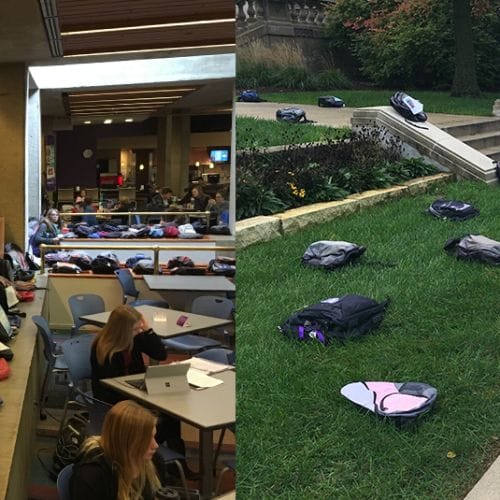
As the Campus Lifeline Act advances through the Senate, Active Minds and its network of thousands of student advocates remain vigilant. The organization’s broader mission—exemplified by initiatives like the "Send Silence Packing" exhibit—continues to push for a world where mental health is prioritized as a human right.
The success of this bill would not only provide immediate resources to those in need but would also serve as a blueprint for future federal mental health policy: one that is written by the youth, for the youth, and supported by a united legislative front. The time for change is now, and with the introduction of the Campus Lifeline Act, the voice of the American student has never been more powerful.