











WASHINGTON — CMS Administrator Dr. Mehmet Oz recently offered a horticultural metaphor to describe the current state of Medicare Advantage (MA), the sprawling, privatized arm of the federal healthcare system. To Oz, regulating the program is akin to tending a garden—a garden that has, in his estimation, become choked by a stubborn overgrowth of "weeds."
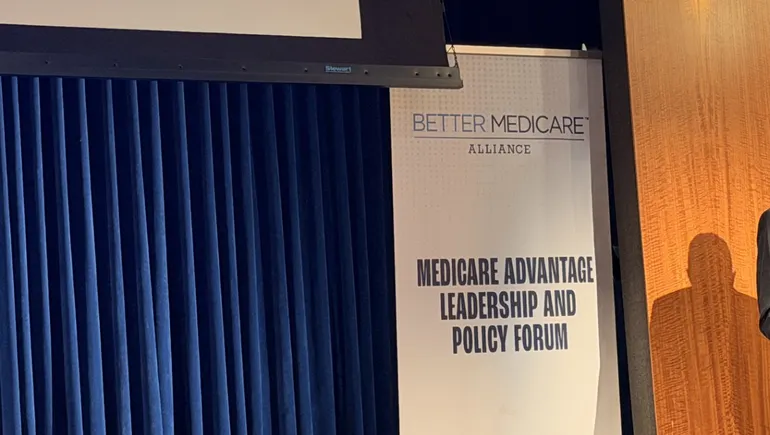
"We want to see Americans thrive in their old age, in a lush garden that sustains them," Oz said in a prerecorded address delivered Tuesday at a high-profile industry event hosted by the Better Medicare Alliance (BMA) in Washington, D.C. "Yet in recent years, our garden has laid vulnerable to weeds and overgrowth. For too long, patients have paid the price, both financially and physically."
The rhetoric marks a pivot point for the Trump administration. While the White House has maintained a generally industry-friendly stance, the burgeoning costs and documented inefficiencies of Medicare Advantage have forced a reckoning. As the program ballooned to serve over 35 million Americans—more than half of the total Medicare population—the federal government is increasingly grappling with how to preserve the program’s popularity while curbing what many experts describe as rampant profiteering.
The Core Conflict: Popularity vs. Fiscal Sustainability
At the heart of the Medicare Advantage debate is a fundamental tension between consumer preference and taxpayer burden. MA plans are undeniably popular; they offer beneficiaries lower out-of-pocket costs, capped annual spending, and "extra" benefits like dental, vision, and gym memberships that traditional Medicare lacks.
However, the "extra" benefits come at a premium to the federal government. Research indicates that the U.S. spends significantly more per capita on MA beneficiaries than it does on those enrolled in traditional Medicare. The fiscal outlook is stark: the U.S. is projected to spend an estimated $76 billion more on MA this year alone than would have been spent if those same patients remained in traditional Medicare.
Critics point to a specific, systemic issue: "upcoding." This is the practice of private insurers exaggerating the severity of their members’ health conditions to secure higher risk-adjustment payments from the federal government. By making their patient populations appear sicker than they are on paper, insurers inflate their reimbursement rates, drawing billions of dollars in excess taxpayer funding.
A Chronology of Regulatory Friction
The path to the current regulatory environment has been marked by a series of legislative and executive maneuvers that reflect the administration’s shifting priorities.
The Initial Expansion (2024)
Upon taking office, the second Trump administration initially pursued policies that favored the private sector. Following the administration’s early tenure, insurers enjoyed a period of stability, with regulators avoiding major overhauls to the payment methodology.
The Lobbying Blitz (Early 2025)
In January 2025, the Centers for Medicare & Medicaid Services (CMS) proposed a flat payment update for MA plans, signaling a potential move toward austerity. However, the proposal was met with an unprecedented, full-tilt lobbying campaign from the BMA and other industry giants. The result was a dramatic reversal: the CMS finalized significantly higher rates, effectively capitulating to industry pressure.
The Regulatory Seesaw (Mid-2025)
The administration continued its mixed messaging throughout the year. While it yielded on payment rates, it simultaneously worked to "tighten the garden," as Oz put it. Regulators moved to finalize policies placing stricter guardrails on risk-adjustment models to combat upcoding. Simultaneously, Dr. Oz initiated an aggressive series of audits of MA plans, signaling that while the administration might allow for growth, it intended to verify that the "weeds" of fraud and abuse were being pulled.
The Recent Shift (Late 2025)
As the midterm election cycle nears, the administration has intensified its rhetoric. President Trump’s characterization of health insurers as "money-sucking" entities—delivered during a November appearance—signaled that the administration is prepared to use populism to keep the industry in check.
Supporting Data: The Case for Reform
The impetus for reform is driven by hard data that suggests the current MA structure is unsustainable in its present form.
- The Overpayment Gap: The $76 billion estimate of excess spending is not merely a budgetary concern but a political liability. When Medicare Advantage costs exceed those of traditional Medicare, it creates a "fiscal leak" that draws directly from the Medicare Trust Fund.
- Access and Network Restrictions: Beyond financial waste, there is growing evidence of "physical" costs to patients. Many MA plans utilize restrictive provider networks and stringent "prior authorization" requirements. These administrative hurdles often delay or outright deny essential care for seniors, undermining the very premise of the "lush garden" Oz hopes to cultivate.
- The Quality Rating Controversy: The administration’s recent decision to revert the MA quality ratings system to a more "generous" version is a point of contention. While designed to stabilize plans, it effectively sends billions of dollars to insurers regardless of their performance, a move that critics argue rewards mediocrity rather than excellence.
Official Responses and the "Crisis of Confidence"
The CMS leadership is currently walking a tightrope. They must satisfy a voting base that is increasingly frustrated by healthcare costs, while simultaneously avoiding a total breakdown in relations with the multi-billion-dollar insurance industry.
John Brooks, deputy administrator of the CMS and the agency’s Medicare director, acknowledged the gravity of the situation during the BMA event. "In Medicare Advantage, we’re paying the most per-beneficiary probably of any program in the world," Brooks stated. "One of the challenges over the last three to five years is that I think there’s been a crisis of confidence in Medicare Advantage. The goal is to restore confidence."
This "crisis of confidence" is felt by both the public and the policymakers. For the public, the confusion arises from a system that offers generous perks but can turn hostile when a patient actually needs care—often due to denied claims or out-of-network requirements. For policymakers, the crisis stems from the realization that the private sector may be extracting more value from the taxpayer than the value they are delivering to the patient.
Future Implications: What Lies Ahead?
As Medicare open enrollment approaches on October 15, the landscape remains precarious. Several factors will dictate the future of the program:
1. The Midterm Pressure Cooker
With midterm elections on the horizon, the administration is highly sensitive to the industry’s argument that any "cuts" to MA payments are effectively cuts to seniors’ healthcare. Insurers have successfully framed themselves as the protectors of senior benefits, creating a political shield that makes it difficult for the CMS to enact meaningful payment reductions without facing significant voter backlash.
2. The Battle for Transparency
The administration’s focus on audits and risk-adjustment guardrails suggests a long-term strategy of "transparency by enforcement." By increasing the scrutiny on how plans document patient health, the CMS hopes to naturally lower costs by eliminating the ability to over-bill, rather than by slashing rates directly.
3. The Balancing Act of Private vs. Public
The decision to end the program that stabilized standalone Part D prescription drug premiums has given MA plans a distinct competitive advantage. This suggests the administration is still betting on the private sector to lead the way, even as it attempts to rein in the most egregious forms of profit-seeking.
4. The Potential for Legislative Intervention
If the executive branch’s attempts to "tend the garden" prove insufficient, Congress may be forced to step in. A bipartisan consensus is forming among lawmakers who are weary of the insurance industry’s lobbying power and the growing cost of the program. Future legislation could move to standardize prior authorization processes or mandate a more rigid structure for how "extra" benefits are funded.
Conclusion
Dr. Mehmet Oz’s garden metaphor serves as an apt, if somewhat optimistic, framing of the situation. The Trump administration is no longer ignoring the weeds of overpayment and administrative bloat that have sprouted in the Medicare Advantage program. However, as it moves to prune these issues, it must be careful not to damage the underlying structures that have made the program a pillar of the American senior healthcare experience.
For now, the policy direction is clear: an attempt to maintain the popularity of the private insurance model while applying enough regulatory pressure to ensure that the "garden" remains sustainable for both the taxpayers who fund it and the seniors who rely on it for their care. Whether these measures will be enough to restore confidence or if more radical surgery is required remains the defining question of the current healthcare policy cycle.