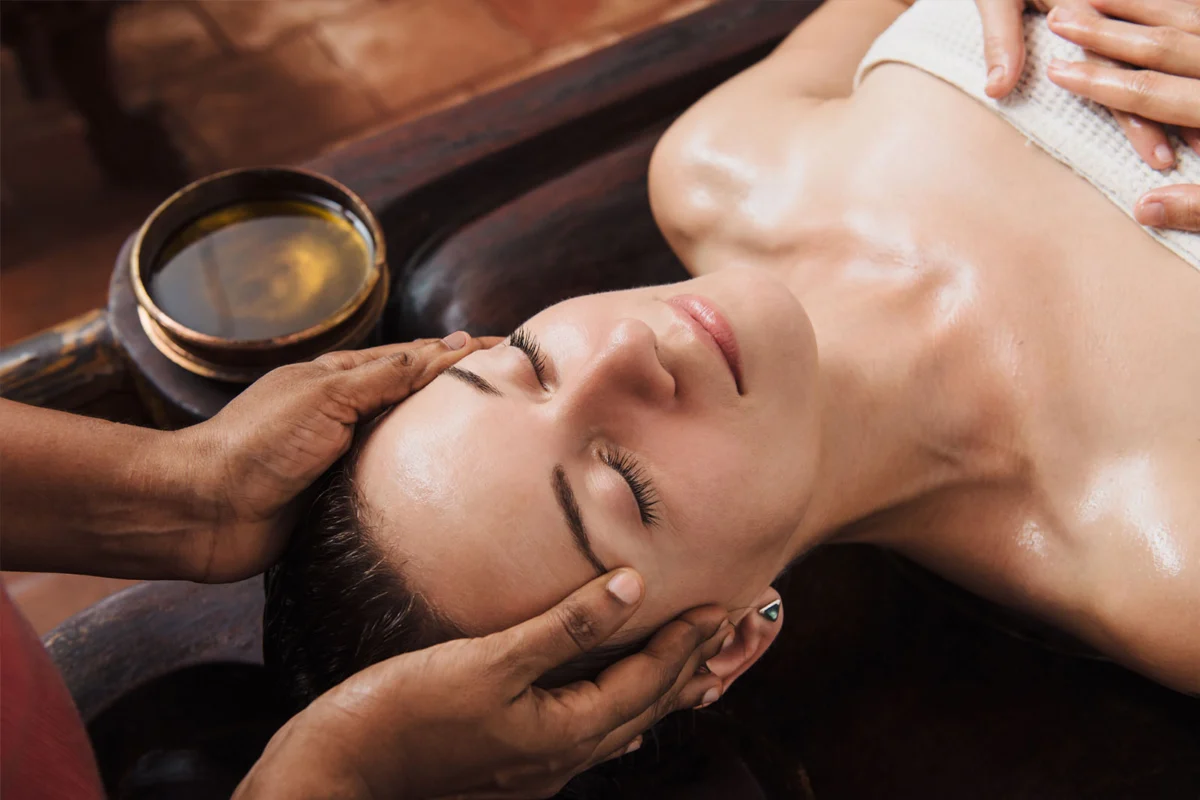
In an era where modern healthcare is increasingly dominated by standardized protocols and "one-size-fits-all" pharmaceuticals, a growing segment of the population is turning toward the ancient, intricate wisdom of Ayurveda. At its core, Ayurveda rejects the notion that two bodies—or two beings—are identical. It posits that health is not merely the absence of disease, but a dynamic state of equilibrium unique to every individual.
This fundamental philosophy explains why Ayurvedic treatments often succeed where conventional methods struggle. Whether addressing chronic pain, metabolic disorders like diabetes, or systemic inflammation, Ayurveda does not treat the label; it treats the person. By shifting the focus from symptoms to the root cause, practitioners of this 5,000-year-old system are proving that true healing requires a bespoke approach tailored to the individual’s specific biological and energetic makeup.
The Philosophical Foundation: Understanding the Individual
The hallmark of Ayurveda is its hyper-personalized approach. In allopathic medicine, a patient with diabetes is typically categorized into one of two main types. In contrast, Ayurveda recognizes 20 distinct classifications of the condition, each requiring unique dietary, lifestyle, and herbal interventions. This granular level of analysis is applied to everything from digestive issues to musculoskeletal pain.
For example, "pain" in Ayurveda is categorized by the doshas—the energetic forces that govern physiological functions. A Vata-type pain (often sharp, erratic, or shifting) requires a vastly different therapeutic approach than a Pitta-type pain (often burning or inflammatory) or a Kapha-type pain (often dull, heavy, or congestive). Recognizing these subtle distinctions is the professional responsibility of the Ayurvedic practitioner, whose role is to navigate the samprapti—the specific disease process—to restore harmony.
The Critical Importance of Personalized Treatment
To treat a patient effectively, a practitioner must possess a "critical eye" to determine which qualities (gunas) are out of balance. Simply masking a symptom with a "band-aid" is seen as a failure of true healing. Instead, the practitioner must analyze the patient’s prakruti (their inherent constitutional state) and vikruti (their current state of imbalance).
This diagnostic rigor is most prominently displayed during Panchakarma, the pinnacle of Ayurvedic detoxification. Panchakarma is not a standardized "spa treatment"; it is a sophisticated, physician-led clinical process designed to pull toxins (ama) from deep tissues and flush them through the digestive tract. The success of this process depends entirely on the practitioner’s ability to customize the protocol based on the patient’s agni (digestive fire), ama accumulation, and overall vitality.
The Three Stages of Panchakarma: A Clinical Overview
Panchakarma is structured into three distinct, chronological phases, each requiring meticulous oversight.
Stage 1: Purvakarma (The Preparatory Phase)
Before the primary detoxification can occur, the body must be prepared. This is known as Purvakarma. The primary goals here are to "kindle the digestive fire" (agni) and perform internal oleation.
- Kindling Agni: A weak digestive system cannot process toxins. Practitioners may prescribe specific stimulants, ranging from simple hot water to specialized ginger-based preparations, to ensure the body is ready for elimination.
- Internal Oleation: By consuming medicated ghees or oils, the patient begins to lubricate the internal tissues. This process dislodges toxins that have settled deep within the cellular matrix, drawing them into the gastrointestinal tract for eventual removal.
Stage 2: Pradhānakarma (The Five Actions)
This stage represents the core of the treatment. "Panchakarma" literally translates to "Five Actions." These are specialized therapeutic procedures:
- Virechana (Purgation): Targeting the small intestine, liver, and gallbladder, this procedure uses herbal laxatives to purge excess pitta (heat/acidity) from the system.
- Basti (Medicated Enema): Directed at the colon—the primary seat of Vata—this involves the introduction of herbalized teas or oils. Unlike conventional enemas, this is a nourishing process designed to heal the intestinal lining and restore systemic balance.
- Vamana (Emesis): Used sparingly and only for specific Kapha imbalances, this procedure uses salt water and licorice tea to clear excess phlegm from the stomach.
- Nasya (Nasal Administration): Oils and herbs are administered through the nasal passages to address imbalances in the head, sinuses, and cognitive functions. It is highly effective for brain fog and memory support.
- Raktamoksha (Blood Cleansing): Though historically involving leeches, modern practitioners in the U.S. utilize alternative methods to purify the blood, which is considered the life-giving (jivanam) element that carries prana (vital energy) to every organ.
Stage 3: Paschyātkarma (The Rejuvenation Phase)
The final stage is often the most overlooked but remains the most vital for long-term health. Following deep detoxification, the body is in a sensitive, "open" state. Paschyātkarma focuses on rebuilding tissue, restoring digestive strength, and implementing a sustainable lifestyle plan. Without this stage, the body risks returning to previous patterns of imbalance.
The Indispensable Role of the Practitioner
The complexity of the three stages of Panchakarma highlights a singular truth: this is not a do-it-yourself system. An experienced practitioner acts as both a clinical guide and a guardian of the patient’s well-being. Because the process is so physically and energetically demanding, a lack of professional oversight can lead to worsened conditions or incomplete detoxification.
As the popularity of Ayurveda surges in the West, the onus falls on the consumer to conduct due diligence. It is essential to align one’s personal wellness values with the expertise of the practitioner and the reputation of the facility. The rise of specialized centers—such as the SoHum Mountain Healing Resort—reflects a growing infrastructure designed to provide this high level of individualized care.
Implications for Modern Wellness
The implications of the Ayurvedic model are profound. By prioritizing the individual over the pathology, Ayurveda offers a blueprint for what many are now calling "Precision Medicine." While modern science utilizes genetics to determine drug efficacy, Ayurveda utilizes constitutional analysis to determine lifestyle and nutritional efficacy.
As we look toward the future of healthcare, the integration of these ancient principles offers a promising path. By fostering a deeper understanding of our own unique biological rhythm, we move away from reactive symptom management and toward a proactive, holistic state of vitality.
For those interested in the professional study of these techniques, institutions like the Ayurveda.com Studies Program are bridging the gap between ancient tradition and modern clinical requirements, ensuring that the next generation of practitioners can continue to provide safe, effective, and deeply personalized care.
In conclusion, the success of Ayurveda lies in its humility—the recognition that no human being is a statistic. Whether one is seeking relief from a specific ailment or simply looking to optimize their health, the journey begins with an acknowledgment of one’s own unique nature. As you seek wellness, look for the practitioner who takes the time to understand your Prakruti—for in that understanding lies the path to true, lasting healing.