











By Cindy Steinberg
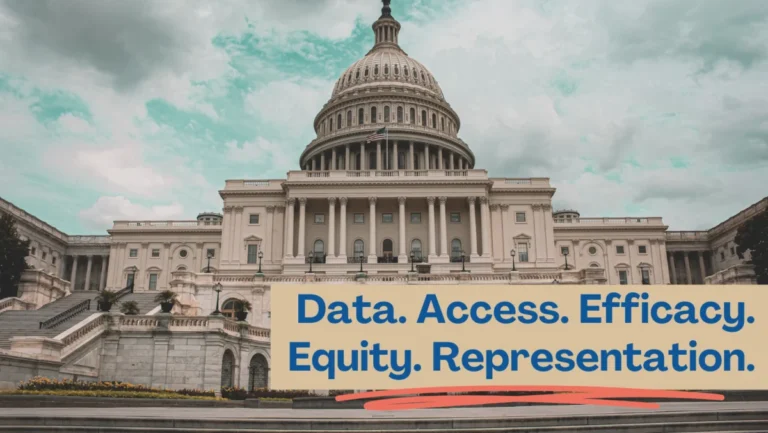
Meaningful advancements in pain care do not occur exclusively within the sterile walls of examination rooms, specialized treatment centers, or clinical research laboratories. While medical breakthroughs are essential, the structural foundation that supports—or hinders—those breakthroughs is built within legislative chambers.
At both state and federal levels, public policy acts as the architect for the healthcare landscape. It dictates the boundaries of research funding, the standards of patient access, and the depth of our collective understanding of human suffering. Today, more than 60 million Americans are living with chronic pain, a silent, pervasive epidemic that touches every facet of society. To improve the lives of these individuals, we must look beyond the prescription pad and toward the halls of Congress, where initiatives like the Advancing Research for Chronic Pain Act (ARCPA)—introduced in 2026—represent a critical evolution in how our nation addresses this crisis.
The State of the Crisis: Main Facts
Chronic pain is not merely a medical condition; it is a profound societal challenge. According to the most recent data from the Centers for Disease Control and Prevention (CDC), nearly 1 in 4 U.S. adults are currently living with chronic pain. This figure is staggering, yet it remains an incomplete picture.
Current policy limitations have left us with a fragmented understanding of who is suffering, the specific nature of their conditions, and the socioeconomic barriers that prevent them from accessing relief. We are operating in an environment where we lack a comprehensive national strategy to track, analyze, and address the multifaceted nature of chronic pain. The ARCPA legislation aims to rectify this by mandating that the CDC move beyond static, periodic reporting to a system of rigorous, ongoing analysis of population health data.
A Chronological Perspective: From Inaction to Advocacy
The path to modernizing pain policy has been a long and arduous journey:
- 2010: The landmark estimate of the economic burden of pain—ranging between $560 billion and $635 billion annually—was published. This figure, while widely cited, is now outdated and fails to account for the modern healthcare landscape.
- 2016: Congress mandated the creation of the Pain Management Best Practices Inter-Agency Task Force, recognizing that the opioid crisis required a nuanced approach that did not abandon the legitimate needs of chronic pain patients.
- 2019: The Task Force released its final report, which advocated for a "multidisciplinary and multimodal" approach to pain care. It emphasized that true relief requires more than pharmacology; it requires physical therapy, behavioral health, and integrative medicine.
- 2023: The CDC released a critical report highlighting that chronic pain disproportionately impacts marginalized populations, including American Indians, Alaska Natives, and those living in poverty, formalizing the link between social determinants of health and pain outcomes.
- 2026: The introduction of the Advancing Research for Chronic Pain Act (S.5041) marked a turning point, shifting the focus toward legislative mandates for better data collection, research transparency, and patient-centered policy design.
Supporting Data: The Case for Reform
The argument for legislative intervention is rooted in the failures of our current, inefficient system. We are currently spending billions of dollars on a "trial-and-error" model of care. For millions, finding an effective treatment plan is akin to throwing darts at a wall—costly, time-consuming, and often ineffective.
Furthermore, the lack of granular data is a significant barrier to innovation. Without knowing the exact prevalence of specific pain conditions across different demographics—race, age, gender, and geography—researchers are often working in the dark. We need data that tracks not just "pain reduction," but improvements in functional outcomes: sleep quality, mobility, the ability to maintain employment, and overall quality of life. Without this evidence, insurance providers continue to rely on restrictive "utilization management" practices, such as "fail-first" protocols, which force patients to endure ineffective treatments before covering the care they actually need.
Official Responses and the Push for ARCPA
The bipartisan introduction of the ARCPA by a coalition of senators—including Senators Kaine, Cramer, Kim, and Daines—signals a growing recognition in Washington that the status quo is untenable. This legislation is supported by a broad coalition of over 70 patient advocacy and provider organizations, all of whom agree on one fundamental principle: we cannot fix what we do not measure.
The legislative intent behind ARCPA is to provide the federal government with the tools to identify gaps in care. By requiring the analysis of comorbidities, health consequences, and the effectiveness of evidence-based approaches, the bill aims to turn the tide against the inefficiency that currently plagues the system. Supporters argue that the government has a moral and fiscal responsibility to ensure that taxpayer-funded research is prioritized based on the actual needs of the 60 million Americans suffering today.
Implications: The Path Forward
The implications of better policy are profound. If we successfully integrate these changes, the landscape of pain care could transform in several key ways:
1. The Power of Inclusivity and Equity
Closing the gaps in care requires acknowledging that pain is not experienced equally. By utilizing the robust data mandated by ARCPA, we can identify exactly where inequities persist. Whether it is a lack of specialists in rural areas or systemic bias in pain management for minority groups, data is the light that allows us to see the cracks in the system so we can begin to repair them.
2. Centering Lived Experience
One of the most significant shifts in modern healthcare policy is the move toward "patient-centeredness." For too long, people living with pain have been the subjects of research rather than partners in it. Future policy must mandate the inclusion of the patient voice at every stage—from the design of clinical trials to the development of federal treatment guidelines. Those who live with pain every day possess an expertise that no laboratory can replicate.
3. Turning Evidence into Practice
The 2019 Inter-Agency Task Force report provided a blueprint for "multidisciplinary" care, but a blueprint is useless if it is not followed. The legislative goal now is to translate these findings into everyday practice. This means creating policies that incentivize insurance coverage for non-pharmacological treatments—such as physical therapy and behavioral health—and ensuring that telehealth, which has been a lifeline for patients with mobility issues, is permanently protected as a standard of care.
Why Policy Matters: A Final Note
It is easy to view "policy" as a abstract, bureaucratic concept, far removed from the daily reality of managing chronic pain. However, every decision made in a legislative chamber has a ripple effect. It determines whether a patient can afford their medication, whether a specialist is available in their zip code, and whether the medical community treats them with the dignity they deserve.
The Advancing Research for Chronic Pain Act is more than just a bill; it is a declaration that the millions of Americans living in pain deserve to be counted, understood, and effectively treated. While no single piece of legislation will provide a panacea for all the complexities of chronic pain, we now have a tangible opportunity to build a framework that prioritizes human well-being over outdated systems.
To make this vision a reality, the patient community must remain engaged. Advocacy is the engine of change. By supporting initiatives like ARCPA, participating in advocacy alerts, and ensuring our voices are heard by our representatives, we can ensure that our collective experience is at the heart of the next generation of healthcare policy. Together, we can act as #OneVoiceForPain, moving the needle from isolation to inclusion, and from suffering to sustainable, effective care.
For those looking to get involved, the time is now. Review the proposed legislation, reach out to your representatives, and help us ensure that when we talk about the future of medicine, we are talking about a future where no one is left to suffer in silence.