









BUNIA, Democratic Republic of the Congo — The Democratic Republic of the Congo (DRC) is currently grappling with the most rapid expansion of an Ebola outbreak in history, a crisis that has pushed the nation’s fragile healthcare infrastructure to the brink of collapse. As of late September 2026, the World Health Organization (WHO) has issued a sobering warning: while some pockets of the country show signs of stabilization, a desperate shortage of human resources is preventing treatment centers from functioning, allowing the virus to surge in key provinces.
With 7,773 confirmed cases and a staggering death toll of 3,759, the outbreak has permeated seven provinces, creating a humanitarian emergency defined by insecurity, population displacement, and a profound crisis of confidence between frontline health workers and the state.
Main Facts: An Uncontrolled Epidemic
The current outbreak is not a monolithic event; it is a complex, geographically dispersed crisis that defies simple containment strategies. According to the latest WHO data, the virus is exhibiting a "variable" transmission pattern. In North Kivu, one of the nation’s most volatile regions, cases have spiked by 73% over a three-week period. This resurgence has effectively canceled out progress made in other regions, such as the former epicenter of Ituri and the province of Haut-Uele, where transmission rates saw a decline of 26% and 15%, respectively, between late August and late September.
The primary hurdle is no longer just the biology of the virus, but the logistics of the response. WHO officials state that the outbreak remains "uncontrolled" and continues to threaten a wide geographic area. The human cost is particularly devastating among the most vulnerable: children under the age of five. This demographic faces a case fatality rate exceeding 60%, significantly higher than the 40% observed among adults, largely due to the difficulty of diagnosing symptoms in toddlers who cannot verbalize their distress.
Chronology of the 2026 Surge
To understand the severity of the current situation, one must look at the timeline of the 2026 escalation:
- Mid-2026: The virus gains a foothold across seven provinces, exacerbated by mass population movements and localized conflicts that hinder surveillance teams.
- July 2026: The crisis intensifies as frontline workers, essential to the containment effort, initiate strikes. The primary grievance is the non-payment of wages, leading to a breakdown in diagnostic and treatment services. Health Minister Roger Kamba attempts to intervene, citing payroll irregularities and "ghost workers," but the bureaucratic friction leaves many on the front lines without pay.
- August 2026: WHO officials report that while treatment centers are being physically constructed at a rapid pace, they remain empty shells due to a lack of trained staff.
- September 2026: The surge in North Kivu marks a dangerous turning point. Despite the deployment of vaccination teams, the lack of operational personnel at treatment facilities prevents the isolation of suspected cases, effectively accelerating community transmission.
Supporting Data: The Resource Gap
The WHO has explicitly stated that this outbreak is on track to surpass the 2014-2016 West Africa Ebola epidemic—the deadliest in recorded history, which claimed over 11,000 lives. The metrics of the current failure are granular:
- Personnel Requirements: A single, functional Ebola Treatment Center (ETC) requires a dedicated staff of approximately 300 professionals. This includes highly specialized roles such as anesthetists, nurses, hygienists, and general practitioners.
- The Disconnect: As Anne Ancia, the WHO representative in Congo, noted, the physical infrastructure of the response is outpacing the human capital. "We are building Ebola treatment centers but do not always have the human resources needed to operate them," Ancia explained.
- Demographic Vulnerability: The 60% fatality rate among children under five highlights a failure in early intervention. Because pediatric symptoms of Ebola—often manifesting as fever, vomiting, or diarrhea—can mimic malaria or other common tropical diseases, children often present at clinics too late for successful treatment.
Official Responses: The Battle for Credibility
The response from the Congolese government and international partners has been fraught with tension. Minister Roger Kamba’s administration has faced mounting pressure to ensure that the individuals risking their lives in isolation units are properly compensated.
The strike by healthcare workers, which persisted for weeks, underscored a deeper issue: the lack of trust between the state and those on the ground. Promises of arrears payments have been met with skepticism; while some workers have reported partial payments, many remain in a state of financial precarity.
International health agencies are caught in the middle. The WHO’s Ebola incident manager, Catherine Smallwood, has been vocal about the "human resources gap," characterizing it as the single most significant obstacle to success. "Those health workers must be paid," Ancia added, noting that the moral and professional necessity of compensating these workers is as vital as the delivery of vaccines and protective equipment.
Implications: A Looming Humanitarian Catastrophe
The implications of the current trajectory are profound. If the human resources gap is not bridged, the DRC risks a sustained, long-term epidemic that could haunt the region for years.
The Impact of Insecurity
The outbreak is spreading through areas marked by significant displacement and armed conflict. When families are forced to flee their homes, they often carry the virus into new, unexposed communities. This mobility, combined with the difficulty of conducting safe and dignified burials in insecure regions, creates a "perfect storm" for continued transmission.
The Psychological and Economic Toll
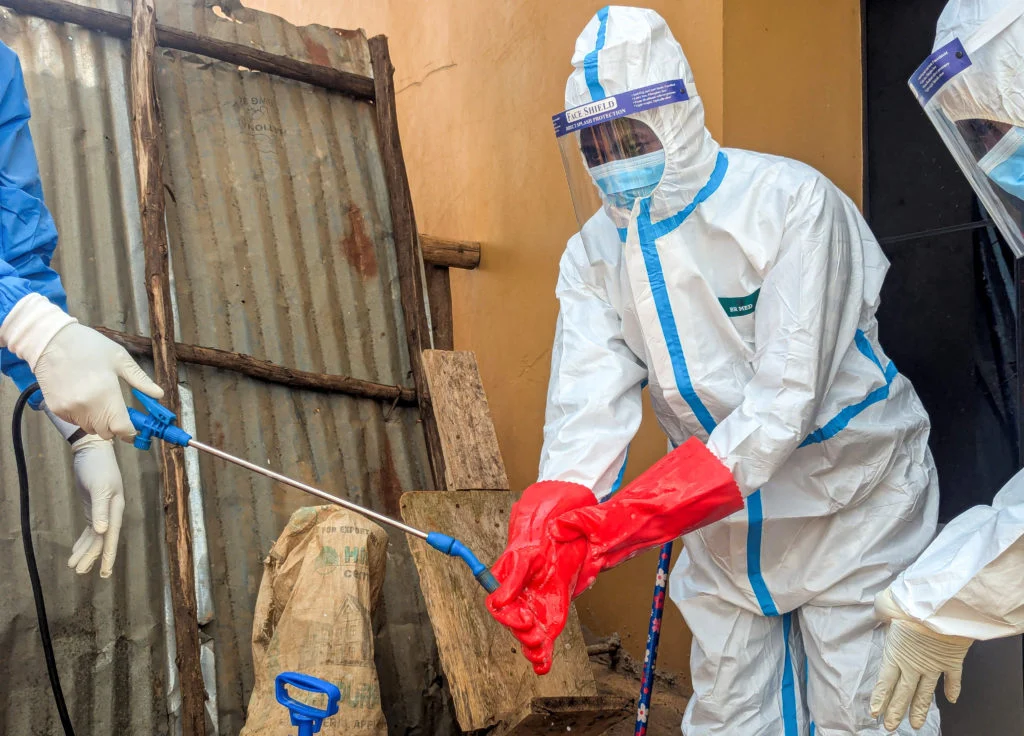
The economic impact on local communities is already severe. Markets are closing, agricultural labor is interrupted, and the fear of infection has led to the stigmatization of survivors and health workers alike. In areas like Butembo, the presence of civil protection teams—tasked with the grim reality of disinfecting and conducting burials—has become a daily reminder of the pervasive nature of the threat.
The Path Forward
For the international community and the Congolese government, the strategy must shift from merely "building capacity" to "sustaining personnel." This requires:
- Immediate Financial Reform: Ensuring that payroll for frontline workers is transparent, timely, and free from the corruption that plagued previous efforts.
- Pediatric-Specific Care: Developing protocols that allow for better symptom recognition and supportive care for infants and young children.
- Community Engagement: Bridging the gap between the medical response and the local population to reduce the stigma that keeps families from seeking care early.
As the death toll climbs and the virus continues to traverse provincial borders, the clock is ticking. The 2026 Ebola outbreak in the Congo is no longer just a medical emergency; it is a test of governance, logistics, and global solidarity. Without an urgent injection of skilled, paid, and protected health workers, the promise of ending this outbreak remains a distant, and increasingly dangerous, prospect.
"The outbreak is still not under control," said Marie Roseline Belizaire. Her words remain the defining reality of a crisis that demands not just more beds, but more belief—the belief that the people tasked with saving lives will finally be treated as the heroes they are.