








In an era defined by fluctuating economic landscapes and tightened research budgets, the pursuit of scientific breakthrough often faces a precarious obstacle: the "funding gap." While global uncertainty has cast a long shadow over laboratory work, the Cancer Research Institute (CRI) has responded with its most aggressive and strategic financial expansion to date. By prioritizing the human element of science—the researchers themselves—CRI is not merely funding projects; it is safeguarding the next generation of life-saving immunotherapy.
Main Facts: A Record-Breaking Commitment
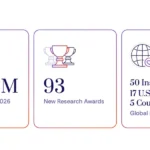
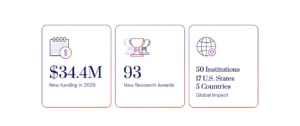
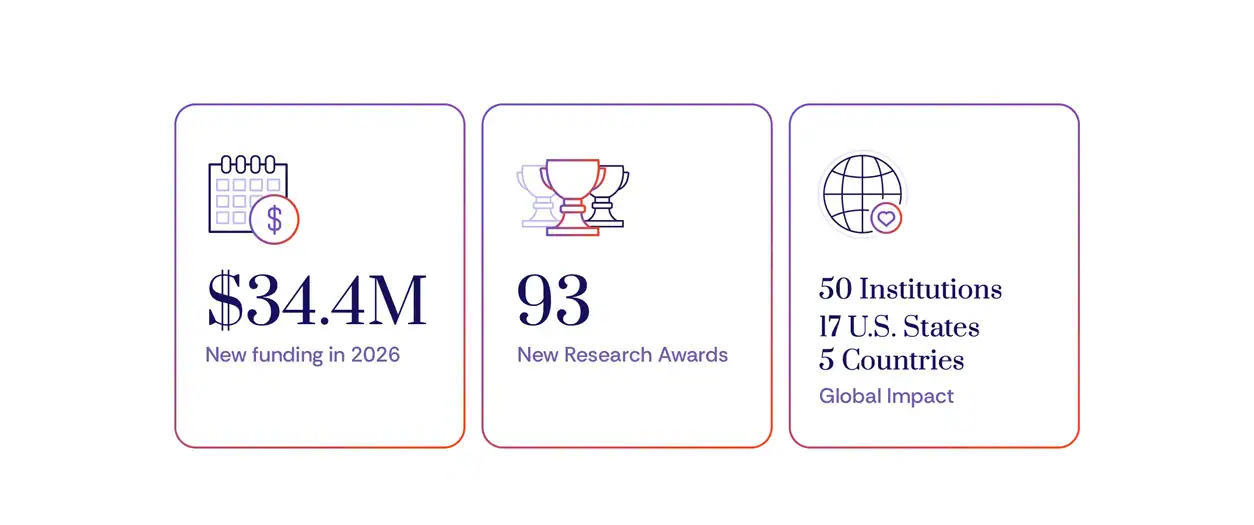
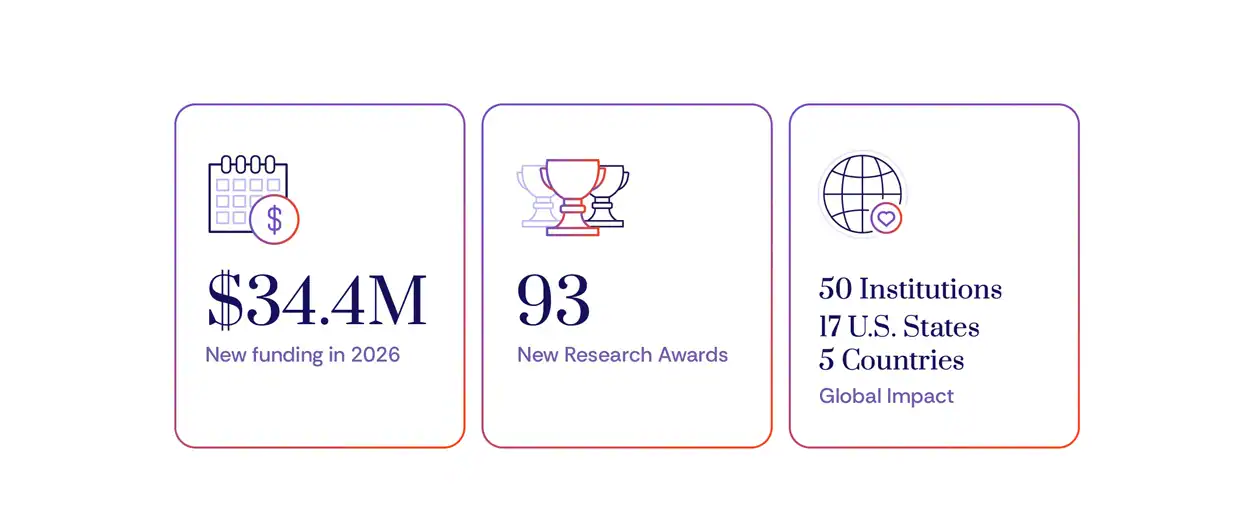
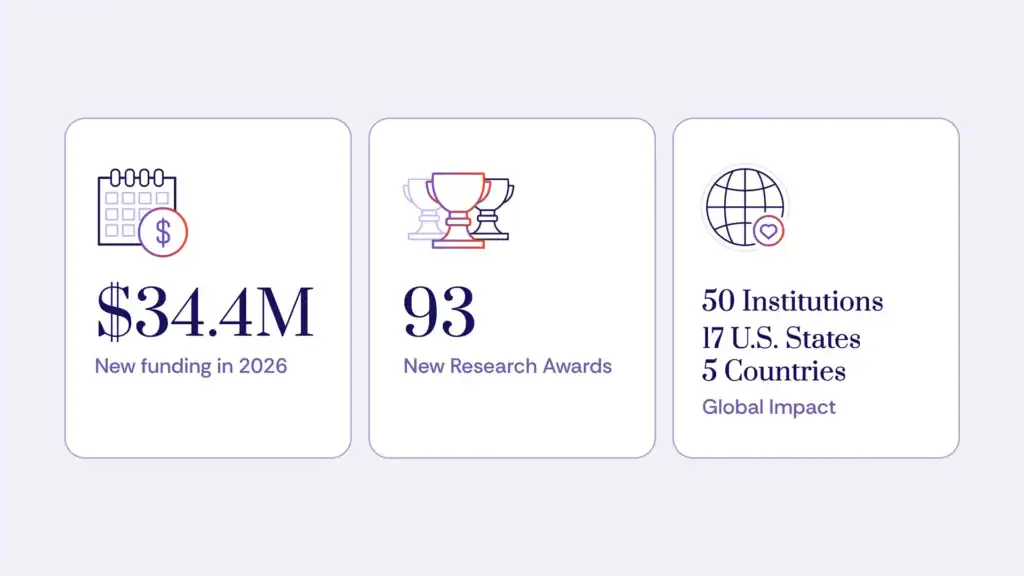
During the 2025–26 fiscal year, the Cancer Research Institute reached an unprecedented milestone, committing $34.4 million in new research funding. This capital injection was distributed across 93 individual awards, marking the largest grantmaking year in the organization’s 70-year history.
These investments span a global footprint, supporting scientists at 50 prestigious institutions across five countries and 17 U.S. states. However, the organization emphasizes that the dollar amount is secondary to the objective: sustaining the momentum of high-stakes, high-reward research at a time when the broader scientific community is experiencing a contraction of resources. By betting on the scientists—rather than just the immediate outcomes—CRI aims to ensure that potentially revolutionary treatments for cancer do not stall in the "valley of death," the treacherous transition period between early-stage discovery and clinical application.
A Chronology of Seven Decades of Persistence
For over seven decades, CRI has operated on a foundational philosophy: identify brilliance early and provide the autonomy necessary to foster it.
- 1950s–1990s: CRI established itself as a pioneer in the field of cancer immunology, a discipline that was once considered fringe. By providing early-career fellowships, the organization built a pipeline of researchers who would eventually define the field of immunotherapy.
- 2000s–2024: As immunotherapy transitioned from theoretical research to clinical reality, CRI evolved its funding models to include support for established "STAR" investigators, allowing senior scientists to pursue high-risk, high-impact inquiries that traditional federal grants often overlook.
- 2025–2026: Facing global funding instability, CRI launched the IGNITE Award (Inspiring Growth and Nurturing Independence Through Excellence). This program was specifically engineered to address the modern crisis in academic research: the difficulty early-career scientists face when attempting to transition from postdoctoral roles to independent laboratory heads.
The IGNITE Award: Bridging the Independence Gap
The transition from a postdoctoral researcher to an independent Principal Investigator (PI) is perhaps the most vulnerable phase in a scientist’s career. At this stage, researchers are expected to secure their own laboratory space, recruit staff, and generate the foundational data required to compete for large-scale federal funding. Often, brilliant ideas languish because the "startup" capital required to prove a hypothesis is unattainable.
The IGNITE Award functions as a financial bridge. It provides the necessary resources for early-career scientists to test bold, original hypotheses without the immediate pressure of short-term success metrics. By insulating these scientists from the volatility of the current funding climate, CRI ensures that the creative energy of the next generation remains focused on the laboratory bench rather than administrative survival.
Case Study: Dr. Simone Park
Dr. Simone Park, a recipient of the inaugural IGNITE Award at the University of Pennsylvania, serves as a living testament to the efficacy of this model. Dr. Park’s research centers on tissue-resident memory T cells—the "sentinels" of the immune system that reside in tissues rather than circulating in the blood.
Dr. Park’s goal is to understand how these cells persist long-term, potentially providing a durable "immune memory" that could prevent cancer recurrence. By understanding the biological mechanics of their longevity, Dr. Park aims to develop strategies to engineer more robust immune responses. Her trajectory—from a CRI-supported postdoc to an independent investigator—highlights the "continuum of support" model that CRI champions. It is a long-term investment in a career that will likely yield dividends for patients for decades to come.
Supporting Data: The Ecosystem of Discovery
The $34.4 million distributed in the last fiscal year is not merely a lump sum; it is part of a deliberate, multi-layered ecosystem. The organization’s strategy is built on three distinct pillars:
- The Fellowship Pillar: Cultivating the next generation of talent through postdoctoral support.
- The IGNITE Pillar: Empowering early-career PIs to establish independent programs.
- The STAR Pillar: The Lloyd J. Old STAR Awards, which provide established investigators with the flexibility to pivot their research based on real-time findings, rather than being tethered to rigid, multi-year grant proposals.
Beyond direct research funding, CRI has expanded its mandate to include:
- Clinical Study Advancement: Directly facilitating trials that move research from the bench to the bedside.
- Computational Empowerment: Training the next generation of oncologists in high-level data analysis and bioinformatics.
- Patient Navigation: Providing clear, accessible, and scientifically grounded information for patients and caregivers who are overwhelmed by the complexities of modern immunotherapy.
Official Responses and Strategic Implications
In its 2026 Annual Impact Report, CRI leadership frames this record-setting year as a promise kept. In an environment where political and economic shifts threaten to stifle scientific curiosity, the institute has chosen to double down.
"Uncertainty is a constant in the world of research," the report notes. "But our mission is to ensure that while the landscape changes, the support for the scientists remains unwavering."

The implications of this strategy are significant. By prioritizing stability for researchers, CRI is effectively creating a "safe harbor" for innovation. This has the potential to influence how other private and public funding bodies view their responsibilities. If research institutions can successfully demonstrate that providing long-term, flexible support leads to higher rates of breakthrough, it may spark a systemic shift in how science is funded globally.
The Path Forward
The conclusion of the 2026 fiscal year marks not an endpoint, but a foundation. With the launch of new computational training initiatives and the solidification of the IGNITE program, CRI is positioning itself to be a primary architect of the future of cancer care.
The challenges of the next decade—ranging from drug resistance in solid tumors to the high cost of personalized medicine—will require more than just raw data; they will require the audacity of scientists who are given the freedom to fail, to iterate, and eventually, to succeed.
As the Cancer Research Institute looks toward the future, the message is clear: the war against cancer is fought in the laboratory, but it is won by the researchers. By protecting these individuals from the whims of a volatile economy, the CRI is ensuring that the brightest minds in medicine are free to do what they do best: solve the impossible. The organization’s record-breaking year is a testament to the belief that even in uncertain times, the progress of science is an imperative that cannot be deferred.