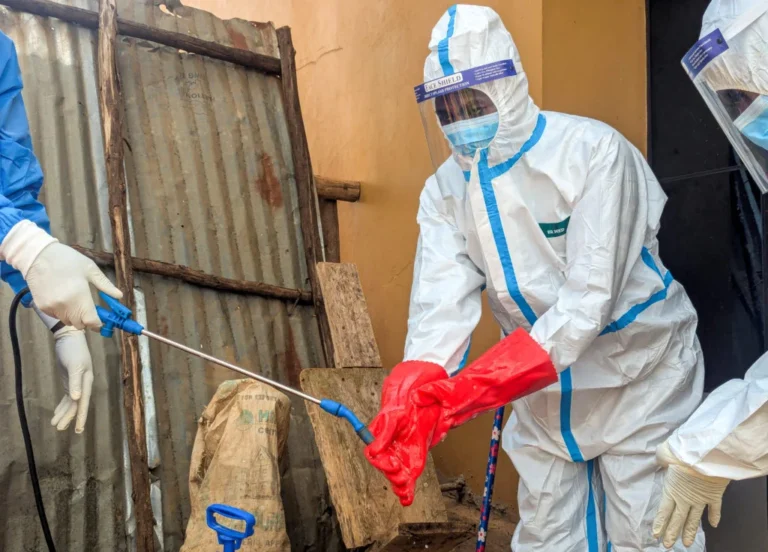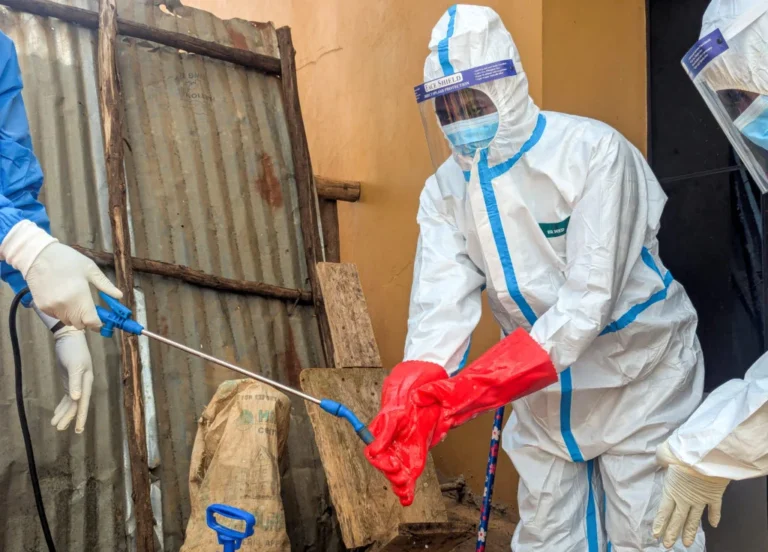







BUNIA, Congo — The Democratic Republic of the Congo (DRC) is currently grappling with the most aggressive Ebola outbreak in its history, a public health crisis characterized by a volatile geographic spread and a severe, systemic lack of personnel. As of late September 2026, the World Health Organization (WHO) has sounded the alarm: while progress is being made in specific sectors, the overall response is being crippled by a critical shortage of health workers required to staff specialized treatment centers.
The situation in North Kivu is particularly dire. Over a recent three-week period, the province witnessed a staggering 73% surge in confirmed Ebola cases, a statistic that underscores the unpredictable nature of the current epidemic. Despite localized successes in stabilizing the situation in the Ituri province—the traditional epicenter—the disease remains stubbornly uncontrolled, spanning seven provinces and claiming thousands of lives.
The Current State of the Crisis: Key Facts and Figures
As of the latest government and WHO assessments, the outbreak has resulted in 7,773 confirmed cases and 3,759 deaths. The scale of this emergency is pushing the regional healthcare infrastructure to the brink of collapse.
The epidemic’s trajectory has drawn grim comparisons to the 2014–2016 West Africa Ebola crisis, which remains the deadliest in recorded history with over 11,000 fatalities. International observers and WHO officials warn that if the current rate of transmission continues, the Congo outbreak is on a clear path to surpass those historic figures.
The virus is moving through a landscape defined by "extremely difficult conditions," according to health experts. Factors exacerbating the spread include:
- Persistent Insecurity: Armed conflict and regional instability prevent medical teams from accessing remote areas.
- Displacement: Constant population movements facilitate the rapid, uncontrolled transmission of the virus.
- Labor Disputes: Widespread strikes among frontline health workers due to unpaid wages have severely compromised the delivery of care.
A Chronology of the 2026 Surge
The timeline of the current outbreak reveals a complex, multi-front battle that has shifted significantly over the summer and early autumn of 2026.
Mid-Summer 2026: Concerns regarding the mismanagement of funds and payroll irregularities emerged. Health Minister Roger Kamba addressed the issue in July, noting that the government had begun verifying payroll lists following reports that individuals not involved in the actual medical response had been added to the government’s wage bill. This administrative friction fueled a strike among frontline staff, who claimed that promised back pay either never arrived or was only partially distributed.
Late August to Early September 2026: A period of divergence began. Between August 31 and September 20, the WHO noted a 26% decline in cases within Ituri and a 15% drop in Haut-Uele. This provided a glimmer of hope that containment strategies were working. However, this success was paradoxically countered by the explosion of cases in North Kivu, illustrating that the virus is not being eradicated, but rather shifting its geographic focus.
September 24, 2026: The WHO issued a formal warning that despite adding treatment beds daily, the physical infrastructure is useless without human capital. The inability to recruit, pay, and retain medical professionals has created a chasm between the capacity to treat and the ability to deliver care.
Supporting Data: The Human Resource Gap
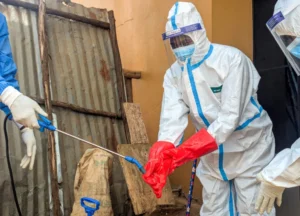
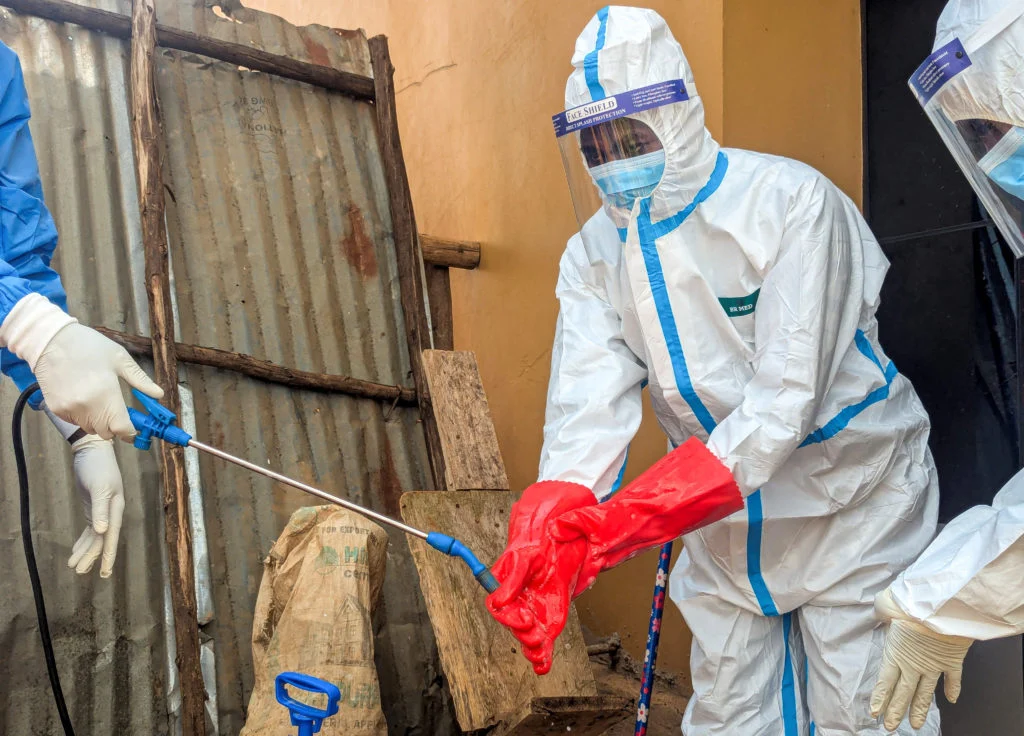
The logistics of an Ebola treatment center (ETC) are immense. According to Anne Ancia, the WHO representative in Congo, a single, fully functional ETC requires a dedicated team of approximately 300 health professionals. This team must be composed of a highly specialized mix of anesthetists, nurses, hygienists, and general practitioners.
"We are building Ebola treatment centers but do not always have the human resources needed to operate them," Ancia explained during a press briefing. "Those health workers must be paid."
The financial burden on the government, coupled with administrative corruption, has created a "human resources gap" that Catherine Smallwood, the WHO’s Ebola incident manager, describes as one of the most significant hurdles to ending the epidemic. Without the ability to guarantee wages, the government is unable to secure the necessary medical staff to keep these centers operational, leading to a scenario where beds sit empty while the virus continues to circulate in the community.
The Pediatric Crisis: A Vulnerable Population
One of the most tragic components of the 2026 outbreak is the disproportionate impact on children. Data provided by the WHO indicates that children under the age of five are suffering the highest case fatality rate—exceeding 60%—compared to approximately 40% among the adult population.
This pediatric mortality rate presents unique diagnostic challenges. Smallwood noted that detecting cases in very young children is inherently difficult. Because infants and toddlers cannot verbalize their symptoms, medical staff often face a "confusing presentation" of the illness, which can lead to delayed treatment. When combined with the lack of staff to provide intensive care, the outcome for these youngest patients is frequently fatal.
Official Responses and Strategic Failures
The response from both the Congolese government and international health organizations has been a mixture of tactical success and strategic frustration.
Health Minister Roger Kamba’s efforts to clean up the payroll were intended to ensure that the individuals doing the dangerous, frontline work were the ones being compensated. However, the implementation of these measures has been criticized by the very workers they were meant to support. Many frontline staff report that they are still waiting for full payment, and the resulting disillusionment has directly impacted the health response.
From the WHO’s perspective, the focus remains on "decentralized containment." By shifting resources to provinces where the virus is currently surging, they hope to regain control. Yet, as Marie Roseline Belizaire, the WHO’s regional emergency director for Africa, pointed out, "The outbreak is still not under control and remains spread across a wide geographic area."
Implications: The Long-Term Outlook
The implications of this outbreak extend far beyond the immediate health crisis. If the current surge in North Kivu is not contained, the potential for a massive, regionalized epidemic is high.
- Systemic Erosion: The recurring strikes and administrative failures are eroding trust between the healthcare system and the public. When communities do not see reliable care, they are less likely to report symptoms, leading to more "hidden" transmissions.
- Economic Instability: The continued spread of Ebola in a region already plagued by displacement and insecurity will almost certainly worsen the economic conditions for millions of people, making it even harder to rebuild once the health crisis eventually subsides.
- The Need for Global Support: The scale of this outbreak has surpassed the logistical capabilities of local and regional authorities. The WHO’s warning highlights that this is no longer a localized issue; it is a global public health priority that requires sustained financial and logistical support from the international community.
As the world watches, the situation in Congo serves as a stark reminder of the fragility of global health security. The virus is moving faster than the bureaucracy meant to stop it. Without a radical infusion of paid, skilled human resources and a more efficient distribution of aid to the frontline, the humanitarian cost will continue to mount, threatening to rewrite the history of Ebola in the most devastating way possible.