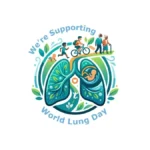








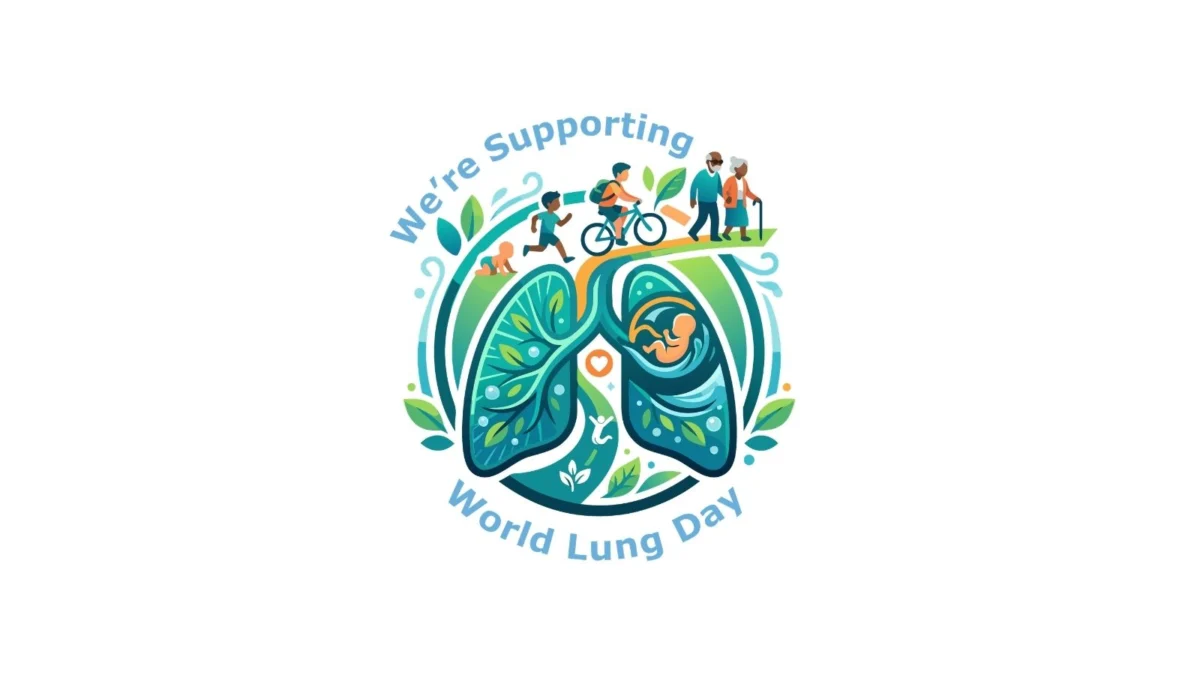
25 September 2026 — As the world marks World Lung Day, a unified message rings out from the global medical community: our respiratory health is a continuous, lifelong journey that begins in the womb and concludes only with our final breath.
This year, the Forum of International Respiratory Societies (FIRS)—a coalition representing nine leading organizations and over 100,000 respiratory specialists—has anchored the 2026 campaign around the theme, "A Lifetime of Lung Health." By shifting the narrative from episodic disease management to a proactive, life-course approach, FIRS aims to fundamentally transform how governments, healthcare systems, and individuals perceive the air we breathe and the organs that process it.
The Core Mandate: Why Lung Health Cannot Wait
The lungs are the most exposed organs in the human body, acting as a constant interface between our internal biological systems and the external environment. Despite their critical importance, respiratory health is often treated as a reactive concern—something addressed only when an infection, a chronic obstructive pulmonary disease (COPD) flare-up, or a diagnosis of lung cancer occurs.
FIRS is challenging this reactive paradigm. The organization argues that by ignoring the developmental stages of the lungs, society misses the "golden window" for prevention. From the quality of the air in our homes to the systemic impact of tobacco and occupational hazards, the determinants of lung health are as varied as they are influential.
The Four Pillars of the 2026 Agenda
To drive meaningful policy and behavioral change, FIRS has identified four interconnected pillars designed to guide public health interventions:
- Healthy Lung Development: Focuses on the critical prenatal and early childhood periods. Protecting the lungs during these formative stages is essential, as environmental pollutants and maternal health factors can have irreversible impacts on lung capacity.
- Healthy Lung Growth: A commitment to ensuring children reach their full respiratory potential. This involves minimizing exposure to secondhand smoke, reducing childhood infections through immunization, and improving nutrition and indoor air quality.
- Healthy Lungs Throughout Life: This pillar emphasizes the importance of early diagnosis and equitable access to care. It highlights that social determinants—such as poverty, housing conditions, and access to clean water and air—are as important as clinical interventions.
- Healthy Lung Ageing: As the global population ages, maintaining respiratory function is key to longevity. This involves managing long-term exposure to pollutants, promoting smoking cessation at any age, and recognizing the specific needs of older adults who are susceptible to chronic respiratory decline.
A Chronology of Respiratory Advocacy
The road to World Lung Day 2026 is built upon decades of respiratory research and advocacy. While the day itself is an annual milestone, the work behind it is a continuous, multi-generational effort.
- 1990s – The Rise of Chronic Awareness: The global medical community began to recognize the surging burden of non-communicable respiratory diseases, particularly as urbanization increased exposure to air pollution.
- 2010s – The Formalization of Collaboration: The creation of FIRS brought together disparate global organizations—such as the American Thoracic Society, the European Respiratory Society, and the International Union Against Tuberculosis and Lung Disease—to speak with a single, powerful voice.
- 2017 – The Inaugural World Lung Day: Recognizing the need for a global awareness day, FIRS launched World Lung Day to create a platform for advocacy, education, and political pressure.
- 2020–2022 – The Pandemic Catalyst: The COVID-19 pandemic served as a stark reminder of the fragility of the human respiratory system, accelerating the development of mRNA vaccines and highlighting the critical importance of oxygen access.
- 2026 – The Life-Course Shift: This year marks a pivot in strategy. Rather than focusing on a single disease or environmental factor, the 2026 campaign adopts a longitudinal perspective, looking at the entire human lifespan.
Supporting Data: The Burden of Respiratory Disease
The data underpinning the need for this year’s campaign is sobering. Respiratory diseases remain among the leading causes of death and disability globally.
According to the World Health Organization (WHO) and corroborated by FIRS data, hundreds of millions of people live with chronic respiratory conditions. Chronic Obstructive Pulmonary Disease (COPD) is currently the third leading cause of death globally, while asthma affects approximately 262 million people. Furthermore, pneumonia remains the single largest infectious cause of death in children worldwide.
The Economic and Environmental Link
The cost of inaction is measured not just in lives, but in economic output. Respiratory illness results in billions of dollars in lost productivity, healthcare expenditures, and premature mortality.
Crucially, the "A Lifetime of Lung Health" campaign highlights the link between climate change and respiratory health. As wildfires increase in frequency and intensity, and as desertification worsens air quality through particulate matter (PM2.5), the environment is becoming a primary driver of chronic respiratory illness. In many parts of the developing world, the use of biomass fuels for cooking remains a critical, yet preventable, factor in the development of respiratory diseases among women and children.
Official Responses and Expert Insights
The consensus among the global respiratory community is that health is a social contract.
"Lung health is not a luxury; it is a fundamental human right," says a spokesperson for the FIRS steering committee. "We have spent too long waiting for symptoms to appear. By the time someone presents with chronic lung damage, we are often managing decline rather than promoting vitality. This year, we are calling on policymakers to integrate lung health into urban planning, school nutrition programs, and occupational safety regulations."
Healthcare professionals are being urged to take a proactive role in "respiratory screening," much in the way blood pressure is checked at every medical visit. FIRS is encouraging physicians to utilize every consultation as an opportunity to discuss air quality, smoking status, and the early signs of respiratory distress.
Implications: A Call to Action for Every Sector
The implications of the 2026 campaign reach far beyond the hospital walls. FIRS has outlined a distributed model of responsibility that requires action from four key sectors:
1. Governments and Policy Makers
The state has the power to change the air we breathe. From enforcing strict air quality standards to banning the marketing of nicotine products to minors, government regulation is the most effective tool for population-level health. The "Lifetime" approach mandates that infrastructure projects be evaluated for their impact on air quality and respiratory health for future generations.
2. Communities and Urban Planners
Healthier environments start at the local level. Urban planners are encouraged to design "green lungs" in cities, expand pedestrian-only zones, and implement strict regulations on industrial emissions near residential areas. Communities have a role in ensuring that schools and workplaces are free from environmental triggers like mold, dust, and smoke.
3. Healthcare Professionals
The frontline of this effort is the clinical setting. FIRS is calling for a "lifelong lung check-up" initiative, which ensures that patients are screened for respiratory function at key developmental milestones—birth, adolescence, mid-life, and retirement.
4. Individuals
Finally, the individual’s role cannot be overstated. From choosing to quit smoking and vaping to advocating for clean air in one’s own neighborhood, individual choices have a cumulative effect. By prioritizing lung health—through regular exercise, balanced nutrition, and avoiding exposure to known toxins—individuals can significantly alter their trajectory toward better health in old age.
Conclusion: Shaping the Future of Breathing
As we reflect on World Lung Day 2026, the message is clear: the air we breathe is the invisible thread that connects our past, present, and future. Protecting that thread requires a commitment that lasts a lifetime.
The 2026 theme is more than just a slogan; it is a challenge to every stakeholder. It is a challenge to a doctor to ask about air quality during a routine visit. It is a challenge to a city mayor to prioritize trees over concrete. It is a challenge to a parent to shield their child from pollutants.
By committing to the vision of "A Lifetime of Lung Health," we are not merely preventing disease—we are fostering a future where every human being has the capacity to breathe deeply, live fully, and age with vitality. The breath you take today is the foundation for the breath you will take twenty, forty, or sixty years from now. Protect it, prioritize it, and join the global movement to ensure that lung health remains at the heart of our collective well-being.