




By Jana Wu, LCSW, LADC, ICAADC, CASAC
For more than 15 years, I have navigated the complex intersections of mental health and substance use treatment. As I approach my 50th birthday, a question has begun to haunt both my personal reflections and my professional practice: Why is our society, and by extension our medical establishment, so perpetually eager to extinguish women’s distress before we have even bothered to understand it?
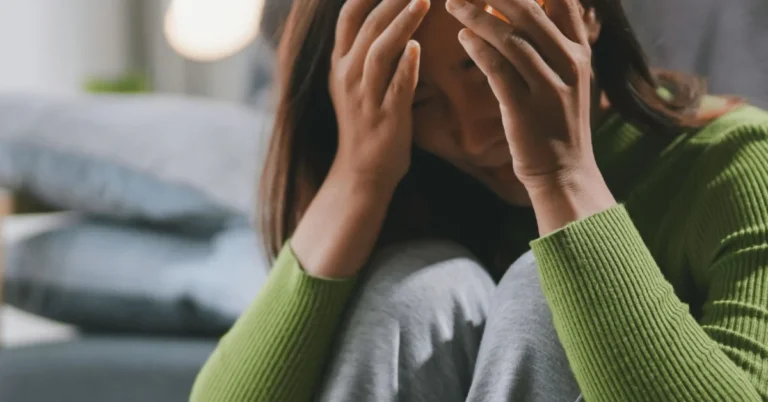
The rise of kratom—a tropical tree leaf from Southeast Asia with psychoactive properties—has brought this systemic failure into sharp focus. In my clinical work, I have encountered an increasing number of women, ranging from their late 30s into their 60s, who have stumbled upon kratom while desperately searching for a balm for anxiety, chronic pain, or profound exhaustion.
For these women, kratom is not merely a substance of abuse; it is a tool for survival. They describe it as a “functional engine” that allows them to maintain the impossible pace of modern life. They use it to work, to exercise, to mother, to care for aging parents, and to keep their heads above the rising tide of daily obligations. But in listening to these women, I am reminded that their story is not new. It is merely the latest chapter in a long, fraught history of how we treat the female experience of distress.
A Chronology of Suppression: From Hysteria to Benzodiazepines
The medicalization of women’s discomfort is a legacy that spans centuries. In the 19th century, the catch-all diagnoses of "hysteria" and "neurasthenia" were weaponized to categorize everything from legitimate pain to the simple, human response to domestic confinement. Symptoms like irritability, insomnia, and fatigue were viewed not as signals of a deeper issue, but as defects in character or temperament that required "management."
By the mid-20th century, the methodology of suppression shifted from societal control to chemical intervention. The mid-1900s saw the rise of sedatives and, eventually, the birth of the benzodiazepine era. In 1963, Valium hit the market, and it quickly became the most prescribed medication in the United States.
The cultural ubiquity of this phenomenon was perfectly captured in 1966 by the Rolling Stones’ iconic track, "Mother’s Little Helper." The song served as a biting social commentary on the millions of women relying on tranquilizers to navigate the crushing pressures of family life and the aging process. Nearly 60 years later, the prescription pads have changed, and the substances have evolved, but the underlying dynamic remains identical: When a woman expresses distress, the primary goal is often to make that distress disappear as quickly as possible.
The Midlife Crucible: Why Now?
For women in midlife, the current healthcare landscape is particularly ill-equipped. This period is marked by a "perfect storm" of biological and sociological shifts. Perimenopause introduces hormonal fluctuations that can trigger or exacerbate anxiety, sleep disruption, and mood instability.
Simultaneously, these women are often part of the "sandwich generation," managing the zenith of their careers, the developmental needs of children, and the increasing health demands of aging parents. When they present to a doctor with these concerns, the system often rushes to provide a pharmacological band-aid.
The problem, however, is that relief is not a treatment plan. While benzodiazepines have a legitimate role in acute medical management, they are frequently prescribed for long-term use, carrying significant risks of physical dependence, cognitive fog, and, ironically, the potential for rebound anxiety. We are treating the symptom while ignoring the life surrounding it. To truly help, we must exercise the patience and curiosity to ask: Why is this happening now? Is it hormonal? Is it situational? Is it the culmination of years of emotional labor that has finally hit a breaking point?
The Kratom Phenomenon: Natural vs. Safe
The recent surge in kratom use among women must be viewed through this lens of desperation. For some, kratom represents a rejection of the pharmaceutical system. They seek something that feels "natural" and "traditional"—a way to reclaim control over their own bodies.
However, we must be careful not to conflate "natural" with "safe" or "predictable." Kratom exists in a regulatory gray area in the United States. Unlike FDA-approved medications, there is no standardized dosing, no quality control, and no consistency in potency. A user can never be entirely certain of the alkaloid profile of the product they are consuming.
Furthermore, from a clinical perspective, the most dangerous aspect of kratom use is often the "stacking" of substances. In my practice, I have seen individuals using kratom alongside alcohol, benzodiazepines, or even opioids. This cocktail approach creates a high risk of adverse drug interactions, including respiratory depression and excessive sedation. These are risks that are rarely discussed in the marketing materials of the head shops and online vendors selling these products.
Official Responses and Regulatory Challenges
The regulatory landscape regarding kratom is currently a tug-of-war between public health advocates and proponents of herbal autonomy. The FDA has consistently warned against the use of kratom, citing the potential for addiction, abuse, and dependence, as well as the risk of contaminated products.
However, because kratom is not categorized as a controlled substance at the federal level, enforcement is inconsistent. Some states have passed the Kratom Consumer Protection Act, which aims to regulate labeling and purity, but this does not address the fundamental issue: many people are turning to an unregulated substance because the regulated medical system has failed to provide them with effective, sustainable, and holistic relief.
Implications for the Future of Women’s Health
If we want to address the kratom crisis—and the broader crisis of women’s mental health—we must stop viewing the female patient as a problem to be "fixed" with a prescription.
1. Shift the Focus from Symptom to Source
Providers must prioritize diagnostic curiosity over rapid symptom suppression. This requires time, resources, and a holistic understanding of how hormonal changes in midlife intersect with psychological and environmental stressors.
2. Honest Conversations About Risk
We need to foster a clinical environment where patients feel safe disclosing their use of alternative substances like kratom. Currently, the stigma is so high that many women hide their use from their primary care physicians, which only increases the danger of accidental drug interactions.
3. Whose Discomfort Are We Treating?
This is the most critical question. Often, we medicate women’s distress because that distress is inconvenient for the structures they exist within—whether that be the workplace, the family, or the medical establishment itself. We must ask ourselves if we are treating the patient’s pain or the observer’s discomfort with seeing a woman who is not "functioning" at 100% capacity.
Conclusion
The story of women and substances is a story of searching for a way to endure the unendurable. Whether it was the "Mother’s Little Helper" of the 1960s or the kratom of today, the underlying drive is the same: the desire to feel better, to keep going, and to survive the weight of the world.
As clinicians and researchers, we must do better. We must stop providing "relief" that ultimately traps the patient in a cycle of dependence. We must start offering care that sees the whole woman, understands the biological and social complexity of her life, and provides support that fosters true healing rather than temporary, and often risky, sedation.
About the Author
Jana Wu, LCSW, LADC, ICAADC, CASAC, is a clinician at Mountainside Treatment Center. She specializes in PTSD, anxiety, depression, and co-occurring disorders. As a nationally recognized expert on kratom, she founded the country’s first clinician-led kratom support group. Her insights have been featured in The Wall Street Journal, Rolling Stone, and on NBC News. She remains a dedicated advocate for a more empathetic and thorough approach to substance use and mental health.