By [Your Name/Editorial Desk], reporting on insights from Jana Wu, LCSW, LADC, ICAADC, CASAC
For over 15 years, Jana Wu has sat across from patients navigating the turbulent intersection of mental health and substance use. Now approaching 50, Wu finds herself confronting a question that is as much a professional diagnostic challenge as it is a personal reflection: Why is the modern medical establishment—and society at large—so structurally predisposed to silence women’s distress before taking the time to understand its root causes?
This inquiry has gained urgent momentum due to the rising prevalence of kratom—a tropical tree leaf from Southeast Asia—among women in their late 30s to mid-60s. As patients seek solutions for anxiety, chronic pain, and the pervasive exhaustion of midlife, they are increasingly finding a stopgap in kratom. However, this trend is not occurring in a vacuum. It is the latest chapter in a long, fraught history of how we medicate the female experience.
The Chronology of Convenience: From Hysteria to the "Little Helper"
To understand why women are turning to unregulated substances like kratom, one must look at the historical trajectory of how women’s psychological and physical pain has been categorized and managed.
In the 19th century, the medical lexicon was dominated by terms like "hysteria" and "neurasthenia." These catch-all diagnoses were applied to women suffering from anything from insomnia and irritability to chronic pain and fatigue. The treatment was rarely a deep dive into the patient’s lifestyle or physiological health; rather, it was a prescription for rest or sedation.
By the mid-20th century, the era of the "chemical bandage" had fully arrived. The 1950s and 60s saw the rise of tranquilizers like Miltown, followed quickly by the introduction of Valium in 1963. Valium became a cultural phenomenon, quickly becoming the most-prescribed medication in the United States. Its ubiquity was so profound that it entered the American consciousness through pop culture, most notably in the Rolling Stones’ 1966 hit, "Mother’s Little Helper." The song served as a cynical, sharp-edged commentary on the suburban housewife relying on pharmaceuticals to endure the "pressures of family life, domestic responsibilities, and aging."
Sixty years later, the medications have changed, but the fundamental dynamic—a systemic preference for "quieting" symptoms rather than investigating their source—remains stubbornly intact.
The Midlife Crucible: Why Women Are Reaching for Solutions
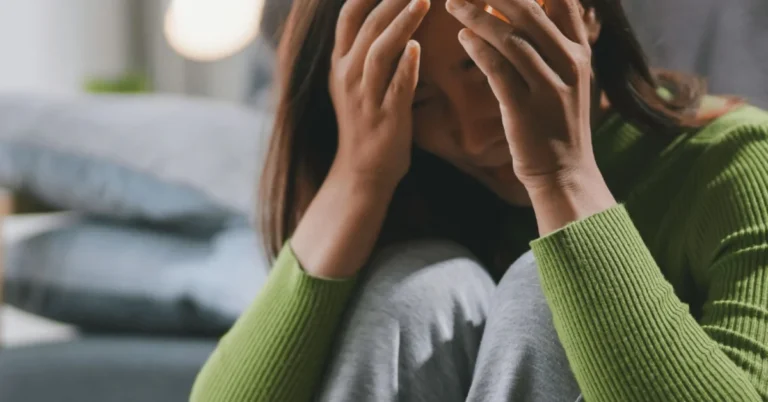
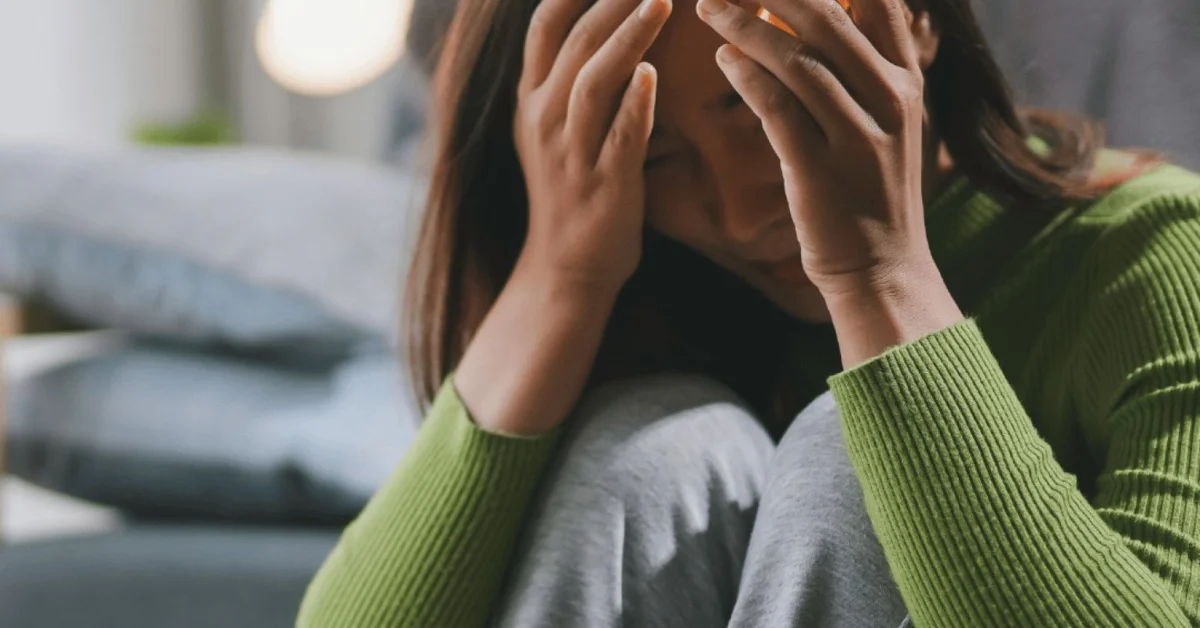
The current wave of kratom use among women in midlife is not merely a search for a high; it is often a desperate attempt to sustain functionality.
The Perfect Storm of Midlife Demands
Perimenopause and menopause bring profound hormonal shifts that can exacerbate anxiety, sleep disturbances, and mood instability. When these biological factors collide with the "sandwich generation" phenomenon—where women are simultaneously managing careers, raising children, and caring for aging parents—the pressure becomes unsustainable.
Patients report that kratom provides a dual effect: it acts as a sedative for anxiety and a stimulant for energy. It allows them to "keep up." As Wu observes, many women are not looking to escape their lives; they are looking for the stamina to continue performing the roles society expects of them.
The Shift Toward the "Natural"
For many women, turning to kratom is an act of perceived autonomy. Because it is often marketed as a "natural" herb, it is frequently viewed by users as a safer, more "traditional" alternative to the pharmaceutical system that has, for generations, prescribed heavy-duty benzodiazepines. However, this belief in "natural" as "benign" is a dangerous misconception.
Supporting Data and Risks: The Unregulated Reality
The lack of FDA regulation surrounding kratom in the United States creates a volatile landscape for the consumer. Unlike standardized pharmaceuticals, kratom products vary wildly in potency, purity, and composition.
The Hidden Risks of Interaction
Perhaps the most concerning aspect of the current trend is poly-substance use. Clinical observations suggest that many individuals using kratom are concurrently using other substances, including:
- Alcohol: Often used to "take the edge off" the evening.
- Prescription Benzodiazepines: Leading to excessive central nervous system depression.
- Opioids: Increasing the risk of respiratory depression.
When these substances are combined, the risk of life-threatening interactions skyrockets. Furthermore, because kratom is not typically screened for in standard toxicology panels, clinicians are often unaware that their patients are using it, leading to a dangerous gap in the patient’s medical history.
Official Responses and the Clinical Gap
Health organizations, including the FDA and the DEA, have issued warnings regarding kratom, citing concerns over its potential for abuse, dependence, and the lack of evidence supporting its safety or efficacy. Yet, these warnings have done little to curb its popularity.
The disconnect lies in the fact that official warnings do not address the demand. If a woman is suffering from debilitating anxiety and her primary care physician offers only a pill with severe side effects or a long waiting list for therapy, she will continue to seek her own solutions.
Clinicians like Wu argue that the healthcare system is currently better equipped to "quiet a symptom" than to engage in the patient-centered work required to understand the life surrounding that symptom. True clinical care requires:
- Patience: Moving beyond the 15-minute consultation window.
- Curiosity: Investigating hormonal, psychological, and situational triggers.
- Holistic Assessment: Understanding why a woman no longer feels "at home in her own body."
Implications: Changing the Conversation
The central question for the medical community is, "Whose discomfort are we treating?"
Too often, the focus is on treating the woman’s distress because that distress is inconvenient for the structures around her—her employer, her family, or even a healthcare provider who wants a quick fix to a complex problem. By prioritizing immediate relief over long-term wellness, we risk creating a cycle of dependency, whether that is on prescription sedatives or unregulated herbal supplements.
A New Path Forward
To break this cycle, the clinical approach must evolve. This includes:
- Destigmatizing the conversation: Providers must create safe spaces for patients to disclose the use of "alternative" substances without fear of judgment.
- Addressing the root cause: If a woman’s anxiety is a reaction to an unsustainable life structure, no amount of medication—pharmaceutical or herbal—will resolve the underlying issue.
- Educating on Risks: Patients deserve transparent information about the risks of poly-substance use and the lack of regulation in the supplement industry.
Conclusion: The Harder Question
As researchers continue to study kratom and the development of kratom use disorder, the focus must remain on the human element. The stories of women using kratom often begin years earlier, with a woman who was struggling, a provider who was rushed, and a prescription that provided temporary relief.
The harder, more necessary question is not "how do we stop the use of this substance?" but "what happens when relief becomes the only treatment plan?" We must move toward a model of care that offers women more than a choice between enduring severe distress or relying on a substance to make it disappear. We owe them the time, the research, and the clinical integrity to help them understand—and manage—their own lives on their own terms.
About the Contributor
Jana Wu, LCSW, LADC, ICAADC, CASAC, is a clinician at Mountainside Treatment Center. She is a nationally recognized expert on kratom and the founder of the country’s first clinician-led kratom support group. Her work has been featured in The Wall Street Journal, Rolling Stone, and on NBC News.