








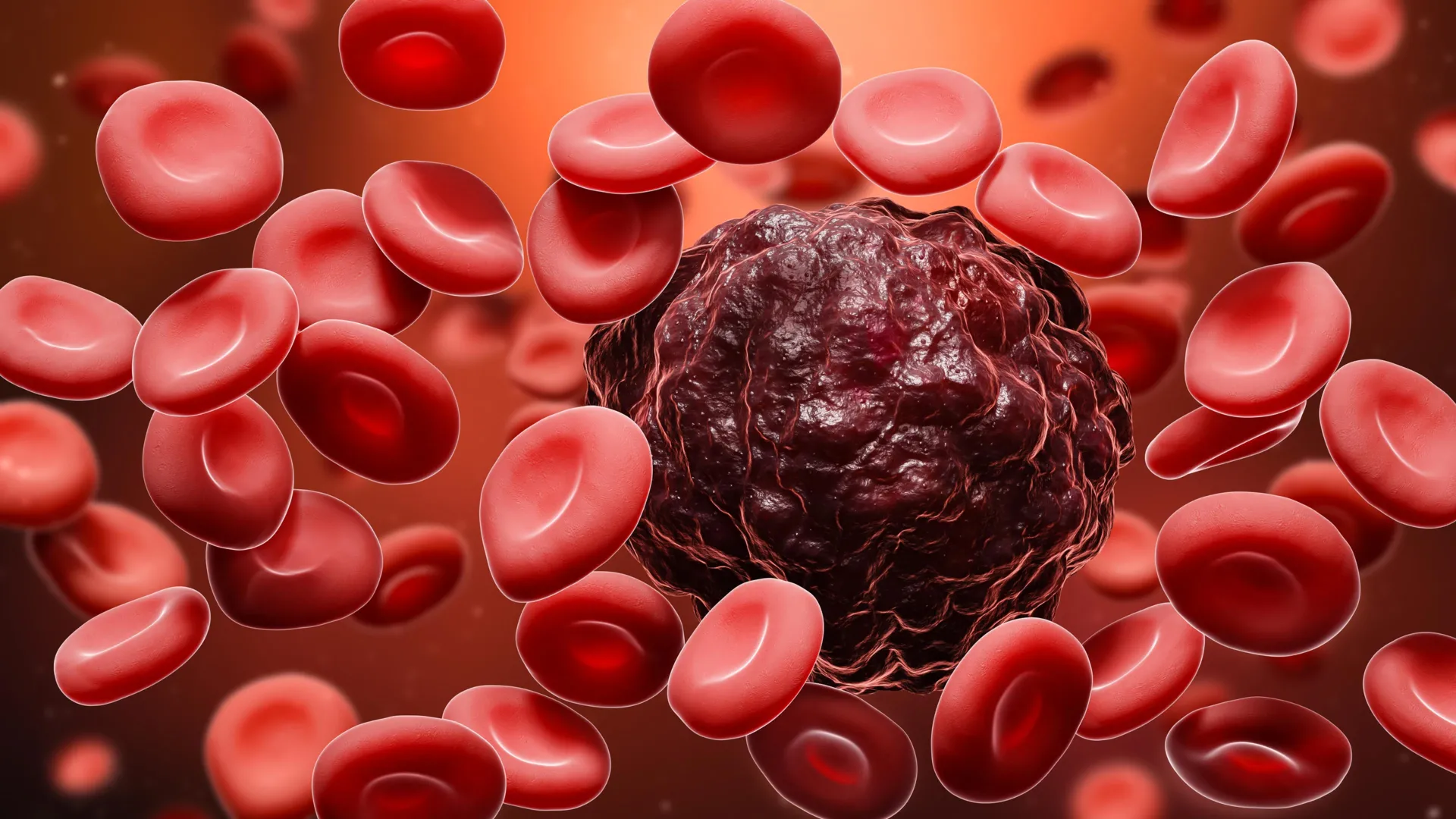
For patients battling the most aggressive forms of blood cancer, a stem cell transplant is often the last line of defense—a high-stakes procedure that serves as the only potential curative pathway. Yet, the specter of relapse looms large; when these cancers return after a transplant, the clinical arsenal available to physicians becomes dangerously thin.
A groundbreaking new clinical trial, led by researchers at Washington University School of Medicine in St. Louis and conducted across 14 prestigious institutions in the United States and Canada, has introduced a paradigm-shifting strategy. By genetically modifying donor stem cells prior to transplantation, researchers have created a "shield" that allows powerful anti-cancer therapies to hunt down malignant cells while leaving the patient’s healthy, reconstructed blood system untouched. The results of this study, recently published in the journal Nature Medicine, offer a glimpse into a future where the most lethal leukemias might finally be managed with precision rather than collateral damage.
The Bottleneck of Modern Immunotherapy
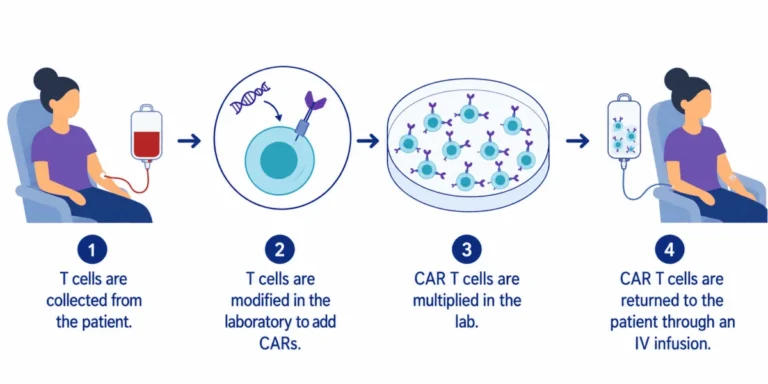
To understand the magnitude of this breakthrough, one must look at the limitations of current CAR-T cell therapy. CAR-T (chimeric antigen receptor T-cell) therapy has revolutionized the treatment of various blood cancers by training the patient’s own immune cells to recognize and destroy tumors. However, this success has been largely confined to specific cancer types.
In the world of acute myeloid leukemia (AML) and myelodysplastic syndrome (MDS), CAR-T therapy has faced a persistent, structural hurdle: the "on-target, off-tumor" problem. Many of the proteins expressed on the surface of AML and MDS cancer cells are also found on healthy myeloid cells. Because donor stem cells used in transplantation share these same proteins, any CAR-T cell engineered to target the cancer will, by default, also attack the healthy, life-sustaining blood stem cells.
“If CAR-T cells are programmed to attack one of those shared proteins, they may destroy healthy blood stem cells along with the cancer,” explains Dr. John F. DiPersio, the Virginia E. & Sam J. Golman Professor of Medicine at WashU Medicine and the study’s corresponding author. This catastrophic interference not only triggers a dangerous systemic inflammatory response but also dilutes the efficacy of the treatment, as the therapeutic cells exhaust their energy attacking healthy tissue instead of focusing on the malignant burden.
Chronology of a Scientific Breakthrough
The conceptual foundation for this strategy was laid by Dr. Miriam Y. Kim, an assistant professor of medicine at WashU Medicine. Dr. Kim began her investigation into this phenomenon while a postdoctoral researcher at the University of Pennsylvania, carrying the project forward into the DiPersio lab at WashU.
The strategy hinges on a protein called CD33. CD33 is an ideal candidate for this type of editing because it is expressed almost exclusively on blood-forming cells and is not present in other critical organ tissues. Crucially, biological evidence suggests that CD33 is not essential for normal stem cell function; individuals born with a natural absence of the protein appear to lead healthy lives.
The researchers hypothesized that if they could "edit out" the CD33 protein from donor stem cells before they were transplanted into the patient, they could render the patient’s new blood system invisible to any future CD33-targeted therapies.
The Clinical Trial Timeline
- The Development Phase: Vor Biopharma developed the engineered stem cell product, known as tremtelectogene empogeditemcel (trem-cel), using CRISPR gene-editing technology to delete the CD33 protein.
- Phase 1/2 Enrollment: The multicenter trial recruited 30 adults with high-risk AML or MDS. Each participant underwent a stem cell transplant using the modified trem-cel product.
- Post-Transplant Maintenance: To test the viability of the "shield," patients received gemtuzumab ozogamicin—an engineered antibody that targets CD33 and delivers a potent anti-cancer payload.
- Evaluation: Over the course of the study, researchers monitored the engraftment of the modified cells, the patients’ blood counts, and their overall survival rates.
Supporting Data and Clinical Efficacy
The trial’s primary success was the demonstration that genetically modified cells could function just as effectively as standard donor cells. By day 28 of the study, all 30 participants had achieved successful engraftment—a critical milestone indicating that the modified stem cells had settled into the bone marrow and begun the vital process of hematopoiesis (blood production).
Recovery times were remarkably consistent with standard transplantation protocols. Platelet production, often the most difficult metric to recover, returned by day 16 on average.
Perhaps most compelling was the resilience of the patients during maintenance therapy. In standard transplants, the administration of drugs like gemtuzumab ozogamicin is often limited by severe toxicity; the drug indiscriminately destroys both the cancer and the healthy blood cells, causing dangerous drops in white blood cells and platelets. In this study, however, patients maintained stable blood counts even while receiving the drug. This confirmed that the gene-edited transplant successfully protected the healthy cell population from the treatment’s toxic effects.
The findings were further bolstered by a separate case report published in JCO Precision Oncology in October 2025. In this instance, a patient with high-risk AML who had received a CD33-deleted transplant suffered a relapse. Doctors treated the patient with CD33-targeted CAR-T cells derived from the original donor. The patient achieved complete remission and remained cancer-free for over a year, with blood tests confirming that their entire blood system was composed of the CD33-deleted, gene-edited cells.
Official Responses and Expert Perspectives
Dr. John F. DiPersio, who also directs the Center for Gene and Cellular Immunotherapy at WashU Medicine, expressed cautious optimism regarding the trial’s results. "We are encouraged by the results of this study showing that a CD33-deleted stem cell transplant looks very similar to the outcomes of standard stem cell transplantation," he noted.
While the trial confirmed the safety and feasibility of the platform, the researchers remain transparent about the risks involved. Seven patients died during the study; while four of these deaths were attributed to the natural progression of their aggressive disease, three were linked to complications often seen in the transplant process, such as sepsis, liver toxicity, and kidney failure. These complications serve as a stark reminder that while the gene-editing technology provides a shield, the underlying process of transplantation remains a significant physiological challenge.
The study was supported by Vor Biopharma, and several co-authors held roles within the company during the research, highlighting the increasingly collaborative nature of modern pharmaceutical development and academic clinical research.
Implications for the Future of Oncology
The implications of this study extend far beyond the treatment of AML. By establishing that donor stem cells can be "edited" to resist specific therapies, researchers have opened a new door for combination therapies.
If physicians can successfully create a "blank slate" in the bone marrow that is resistant to targeted attacks, they gain the freedom to escalate the intensity of anti-cancer treatments. They no longer have to worry about the "dose-limiting toxicities" that have historically constrained the use of potent immunotherapies.
"In the future, we are hopeful we will be able to combine this with CD33-targeted immunotherapies, such as CAR-T cells, and improve treatment options for patients with these very aggressive blood cancers," Dr. DiPersio added.
This research represents a fundamental shift in how we approach the treatment of blood-borne malignancies. Instead of trying to find the perfect balance between killing the cancer and saving the patient, science is now moving toward a model of "engineered protection." By decoupling the health of the patient’s blood system from the destructiveness of the therapy, doctors may soon be able to deliver more aggressive, more effective, and more curative treatments for some of the most challenging diseases in modern medicine.
As the medical community looks toward larger Phase 3 trials, the success of trem-cel serves as a landmark achievement in the integration of CRISPR gene editing into mainstream clinical oncology, promising a new era of precision medicine for those who need it most.