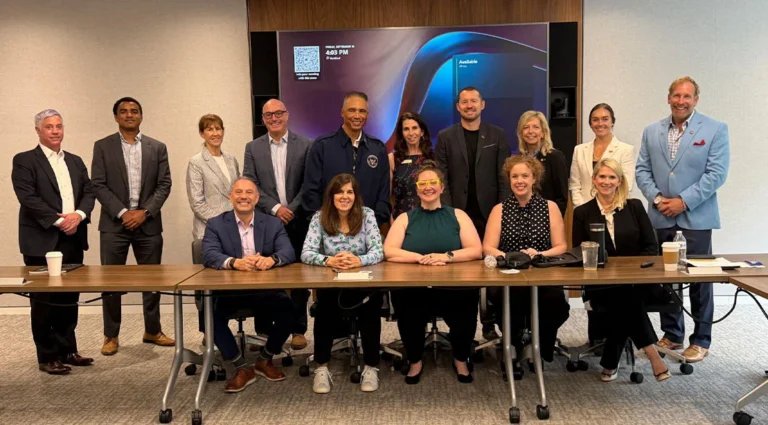









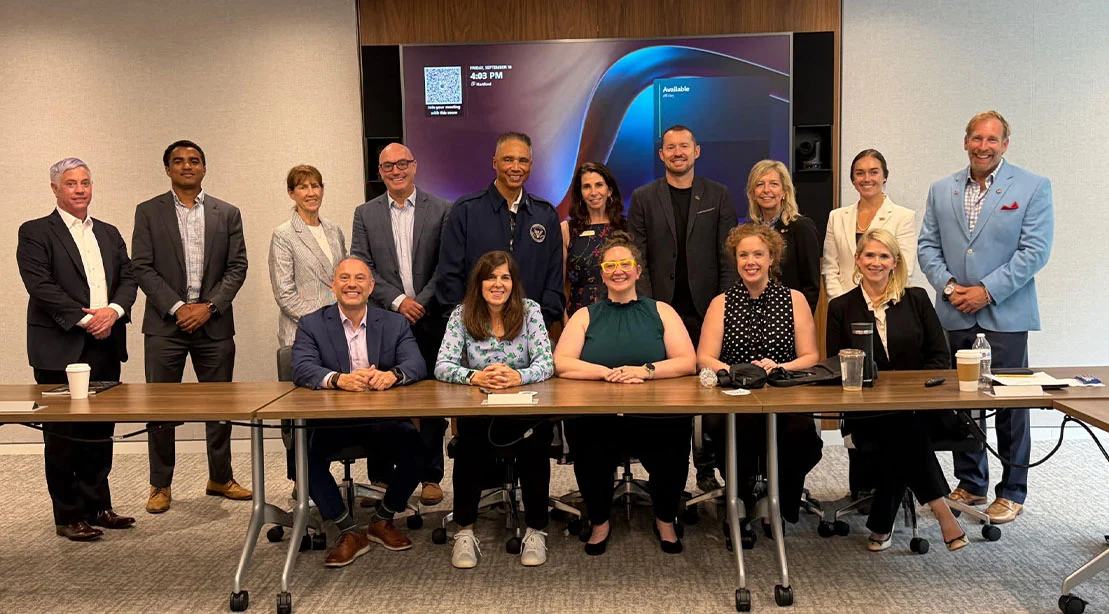
The Tragedy Assistance Program for Survivors (TAPS) headquarters in Arlington, Virginia, recently served as the epicenter for a critical exchange of knowledge regarding human performance. The fifth installment of the Muscle & Fitness Military Health and Wellness Symposium brought together a diverse cohort of military commanders, government officials, academic researchers, and performance experts.
The primary objective of the gathering was to disseminate evidence-based research and actionable strategies designed to bolster the health, fitness, and long-term vitality of service members, veterans, and their families. As Muscle & Fitness Senior Military Editor Rob Wilkins noted, the symposium serves as a necessary bridge between cutting-edge medical research and the daily operational reality of those who wear the uniform.
The National Security Imperative
At the heart of the symposium lies a fundamental premise: the physical and mental well-being of the armed forces is not merely a matter of individual health, but a cornerstone of national security. Wilkins emphasized that the pace of technological and medical discovery is accelerating, making traditional training models obsolete if they are not consistently updated with modern performance science.
"No one organization can generate all of the answers," Wilkins stated during his opening remarks. "By bringing together a multidisciplinary mix of experts—from those who have served in the trenches to those setting policy in the Pentagon—we create a collective intelligence. Our goal is to ensure that this information is accessible, actionable, and sustainable, helping our service members serve longer, perform better, and lead healthier lives after they hang up their uniforms."
Chronology of Care: From Training to Transition
The symposium followed a structured narrative, moving from the immediate needs of active-duty personnel to the long-term support systems required for veterans, and finally to the societal implications of fostering wellness in the next generation.
The Holistic Health & Fitness (H2F) Framework
The morning sessions focused heavily on the U.S. Army’s Holistic Health & Fitness (H2F) program. COL Jonathan D. Lesher and physical therapist Amy Cates provided a comprehensive breakdown of the program’s five core pillars: physical, mental, nutritional, spiritual, and sleep.
The discussion centered on the integration of these pillars within brigade-level operations. By shifting the focus from reactive medical care to proactive, holistic maintenance, the H2F program aims to significantly reduce injury rates and accelerate recovery timelines. COL Lesher summarized the operational necessity of this shift with stark clarity: "A stronger soldier is harder to kill, period."
Post-Service Readiness and Financial Health
A significant portion of the afternoon was dedicated to the "transition" phase—the period where service members return to civilian life. Financial expert David Vardeman highlighted the often-overlooked intersection between financial stability and mental health. He argued that the stress of navigating civilian financial structures after years of military-provided support is a major hurdle for veterans.
Complementing this, Dr. Lynda Davis, Chief Veterans Experience Officer at the Department of Veterans Affairs (VA), outlined the agency’s evolving strategy for veteran engagement. Dr. Davis stressed that the VA is prioritizing a "listening-first" approach, ensuring that when veterans reach out, the bureaucracy is minimized in favor of immediate, compassionate support. "If a veteran is in trouble," Davis affirmed, "we are going to be there."
Expert Data and Performance Science
The symposium moved beyond general wellness into highly technical sessions regarding nutrition, supplementation, and cognitive recovery.
Supplementation and the Regulatory Landscape
Andrea Lindsey, Senior Nutrition Scientist and Director of Operation Supplement Safety (OPSS), delivered a sobering look at the current supplement market. With new, unregulated ingredients entering the supply chain at an unprecedented rate, Lindsey warned that service members are increasingly vulnerable to products that lack third-party verification.
She offered specific guidelines for the modern warfighter:
- Caffeine Management: Limiting intake to a maximum of 200mg per serving to avoid autonomic nervous system disruption.
- Third-Party Verification: Prioritizing supplements that carry stamps from organizations like NSF Certified for Sport or Informed Choice.
- The Peptide Crisis: Lindsey expressed deep concern over the rising trend of unregulated peptide use, noting that the long-term biological effects remain largely unknown. "We’re in a whole different paradigm," she warned. "It is essential to understand what is happening in the market today."
The Science of Sleep
Dr. Sara Algar and Dr. Tina Burke of the Walter Reed Army Institute of Research presented data on the physiological costs of sleep deprivation. They argued that sleep is the single most critical factor in cognitive readiness and physical recovery.
Their research indicates that anything less than seven hours of quality sleep leads to a degradation in emotional regulation, reduced testosterone production, and a higher susceptibility to musculoskeletal injury. Dr. Algar’s message was a call to action for leadership: "Until you break the cycle of sleep deprivation, you are fighting a losing battle. You cannot train your way out of a sleep deficit."
Societal Impact: Mentoring Future Generations
The symposium also reached outside the military bubble to address the broader American culture. Bob Marple, principal of Brambleton Middle School, discussed the role of educators in preparing the next generation for service. He emphasized that physical literacy must be cultivated in children long before they reach recruitment age.
Ashlee Henson, Director of the Cooper Aerobics Wellness Program, echoed this sentiment by detailing how the principles of military-grade physical conditioning can be adapted for the general population. By applying Dr. Kenneth Cooper’s aerobic training methodologies, she noted that the improvements in both quality and quantity of life are applicable to everyone, from school-aged children to the elderly.
Mental Health: The New Frontier of Resilience
The closing sessions addressed the most delicate aspect of military life: mental health. Dr. Gabriel Paoletti of the Uniformed Services University led a session on the psychological burden of leadership.
The highlight of the event was a candid address by Dr. Elizabeth "Elise" Van Winkle, former Assistant Secretary of Defense for Readiness. Dr. Van Winkle shared her personal journey, detailing how the high-pressure environment of the Pentagon impacted her own health. She drew a crucial distinction between "readiness" and "resilience," suggesting that true resilience requires the ability to admit when one’s own health is compromised.
"It may be harder to talk about your struggles, but that is precisely when it is most important," Van Winkle stated. "Saying it out loud makes you vulnerable, but that vulnerability is the mechanism that pulls you back together. It is an essential part of staying in the fight."
Implications and Future Directions
The Fifth Military Health and Wellness Symposium concluded with a clear consensus: the future of military performance lies in the integration of data, holistic health practices, and a cultural shift that treats mental health with the same professional rigor as physical fitness.
The symposium provided a roadmap for how military leaders can better equip their personnel to handle the rigors of modern conflict. By addressing the "whole soldier"—from their sleep hygiene and nutritional intake to their financial stability and mental resilience—the Department of Defense and its partners are creating a more durable force.
Looking ahead, the organizers have begun preliminary planning for the sixth symposium, tentatively scheduled for January 2027. As the landscape of human performance continues to evolve, the necessity for such collaborative forums will only grow. For now, the takeaway for commanders and service members alike is clear: wellness is not a luxury; it is the ultimate tactical advantage.