










For millions of individuals living with obstructive sleep apnea (OSA), the Continuous Positive Airway Pressure (CPAP) machine is a lifeline. It is the gold-standard treatment designed to prevent the airway from collapsing during sleep, effectively staving off the cardiovascular risks and daytime exhaustion associated with sleep-disordered breathing. Yet, despite its clinical efficacy, CPAP therapy is notoriously plagued by high rates of abandonment.
A new survey conducted by the telehealth company Allermi has cast a spotlight on an often-overlooked culprit in this crisis: nasal congestion. The data suggests that for a significant portion of patients, the struggle to remain compliant with CPAP therapy isn’t just about the discomfort of the mask—it is about the fundamental inability to breathe through the nose.
The Invisible Barrier: Nasal Congestion and CPAP Failure
The core of the issue lies in the biomechanics of CPAP usage. CPAP machines work by delivering a pressurized stream of air to keep the upper airway open. When the nasal passages are blocked—whether due to allergies, anatomical issues like a deviated septum, or chronic rhinitis—that pressurized air meets resistance. This resistance creates a "stuffiness" that makes the therapy feel suffocating rather than supportive.
According to the new survey of 112 Allermi customers, the impact of this congestion is profound. Among the respondents, 80% explicitly stated that nasal congestion made it significantly more difficult to wear their CPAP mask consistently throughout the night. Even more concerning is the psychological toll: 56% of those surveyed admitted that their nasal symptoms were so severe that they had considered abandoning their sleep apnea treatment entirely before seeking out a personalized nasal spray intervention.
This research reinforces a growing consensus in sleep medicine: nasal patency is not merely an optional comfort factor; it is a clinical prerequisite for successful CPAP adherence.
Chronology of the Research and Methodology
The survey, which took place between August 28, 2026, and September 2, 2026, sought to quantify the anecdotal feedback that sleep clinicians have been receiving for years.
- August 2026: Allermi initiated the study to assess the correlation between its personalized nasal spray formulations and patient-reported CPAP adherence.
- Late August – Early September 2026: Data collection occurred via an online portal, gathering retrospective reports from 112 verified patients who were currently utilizing both CPAP therapy and Allermi’s prescription nasal sprays.
- September 2026: Data synthesis revealed that patients reported a measurable improvement in their mask-wearing consistency after incorporating the personalized nasal treatment into their nightly routines.
It is important to note, as the authors of the study emphasize, that this was not a randomized controlled clinical trial. The findings are based on patient recollections and self-reported metrics. While the data lacks the rigorous controls of a double-blind study, it provides a crucial "real-world" look at the patient experience, signaling an area that demands further, formal clinical investigation.
Supporting Data: Understanding the Impact
The survey results highlight a stark dichotomy in patient experience. Before utilizing a targeted approach to nasal health, many patients described their CPAP experience as a battle against their own physiology. Post-intervention, the narrative shifted toward increased tolerance and extended usage times.
The findings suggest that when nasal resistance is lowered, the therapeutic "pressure" of the CPAP machine feels more natural. When the nose is clear, the air flows into the lungs with less turbulence, reducing the feeling of pressure buildup in the sinuses and the ears. This shift in physiological comfort appears to directly correlate with a reduction in the "mask anxiety" that often leads to patients tearing the device off in the middle of the night.
Expert Perspectives: The Shift in Sleep Medicine
The medical community is beginning to pivot toward a more holistic view of the upper airway. Historically, sleep medicine focused almost exclusively on the soft palate and the tongue base—the primary collapse points in OSA. However, the nose is now being recognized as the "gatekeeper" of the respiratory system.
"When I first started my career in sleep medicine, I did not appreciate the importance of nasal breathing," says Rafael Pelayo, MD, of the Stanford Sleep Medicine Center and a clinical professor at the Stanford University School of Medicine. "The early clinical teaching focused more on the soft palate and base of the tongue. But gradually, I began to appreciate more the importance for my sleep apnea patients of having open nasal passages."
Dr. Pelayo’s observation highlights a generational shift in how sleep specialists approach patient care. By addressing the nasal passage, clinicians can potentially improve the success rate of CPAP therapy without needing to adjust the machine’s pressure settings, which can sometimes lead to side effects like aerophagia (swallowing air).
Shuba Iyengar, MD, chief medical officer and co-founder of Allermi, echoes this sentiment, noting that the treatment of nasal symptoms has been a neglected aspect of CPAP protocols. "Nasal congestion is one of the most common complaints we hear from patients who use CPAP, and it is rarely treated as part of the therapy itself," says Dr. Iyengar. "When patients tell us in their own words that they can finally keep the mask on, that is a signal worth taking seriously, and it is why we are investing in more research with sleep medicine partners."
Implications for the Future of Sleep Therapy
The implications of these findings are far-reaching for both patients and healthcare providers. If a significant percentage of non-adherence is driven by manageable nasal issues, the industry may need to revise its standard of care.
1. Earlier Intervention
Current protocols often wait until a patient complains of failure before exploring nasal health. The new data suggests that screening for nasal obstruction should be a standard component of the initial CPAP setup process. By treating nasal inflammation early, clinicians could prevent the "abandonment cycle" before it begins.
2. Personalized Medicine
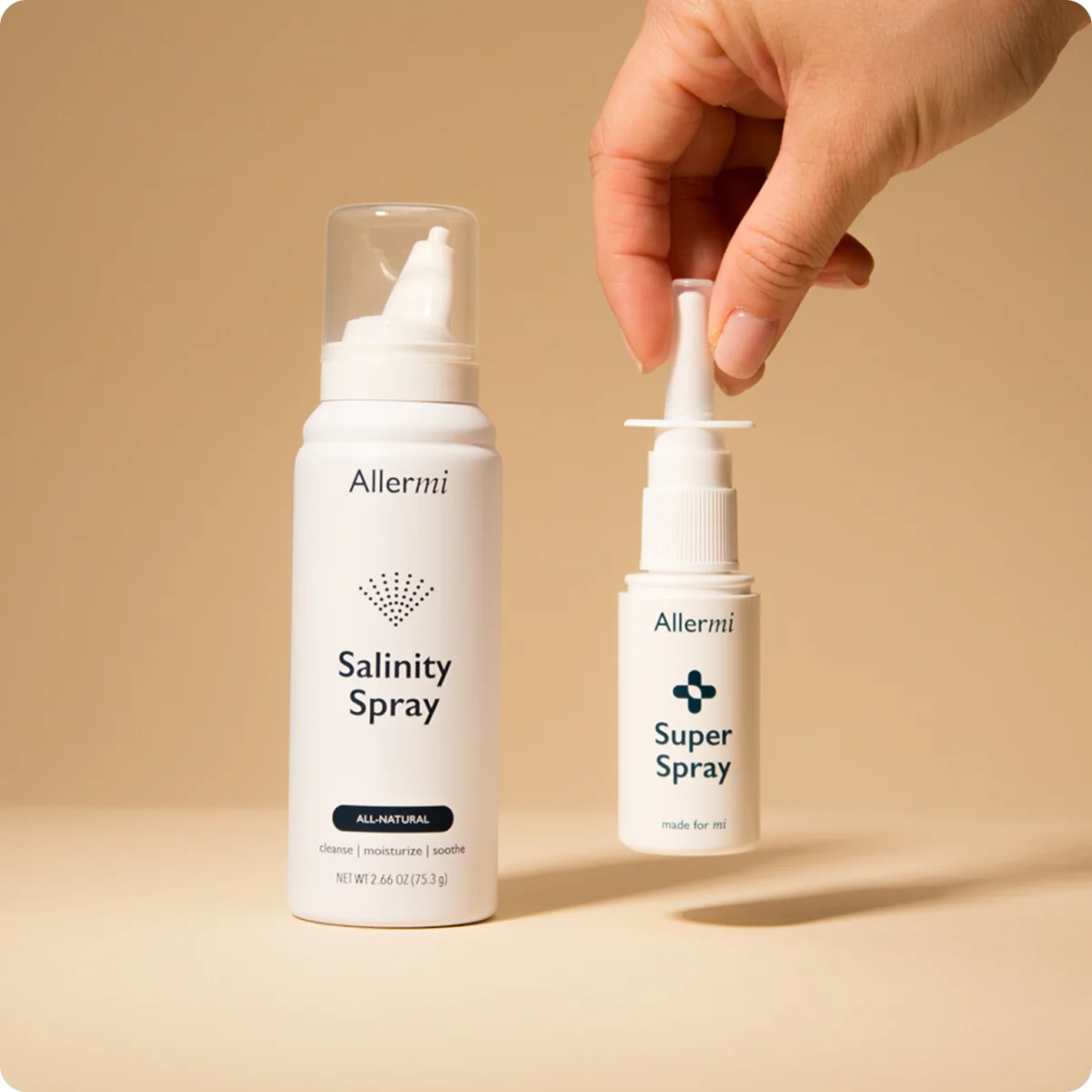
The move toward personalized nasal sprays—which can be tailored to address specific triggers like allergies or structural inflammation—represents a shift away from "one-size-fits-all" solutions. As patients receive more personalized care, the likelihood of long-term adherence increases.
3. Rethinking "Failure"
When a patient fails to use their CPAP, it is often documented as a lack of discipline or willpower. However, if the patient is struggling to breathe through their nose, labeling them "non-compliant" is clinically inaccurate. The data suggests that many patients are not failing the therapy; the therapy is failing them because their anatomical and physiological needs are not being met.
Moving Toward Comprehensive Sleep Care
As we look toward the future of sleep medicine, the goal must be to remove as many barriers to entry as possible. CPAP is an effective tool, but it is an intrusive one. By treating the nasal passage as an essential part of the airway rather than an accessory, the medical community can empower patients to stick with their treatment plans.
The Allermi survey serves as a call to action. It reminds us that patient adherence is a complex tapestry of comfort, education, and physiological support. For the millions who struggle with the nightly ritual of CPAP, the path to a better night’s sleep may very well begin with a clearer nose.
As research continues, it is likely that we will see more integration between otolaryngology (ear, nose, and throat medicine) and sleep medicine. By bridging these two fields, the next generation of sleep therapy will be better equipped to ensure that the "gold standard" remains accessible, comfortable, and effective for everyone who needs it.
Disclaimer: This article summarizes survey data and does not constitute medical advice. Patients struggling with CPAP adherence should consult with their sleep specialist or primary care physician to discuss potential underlying nasal issues and appropriate treatment options.