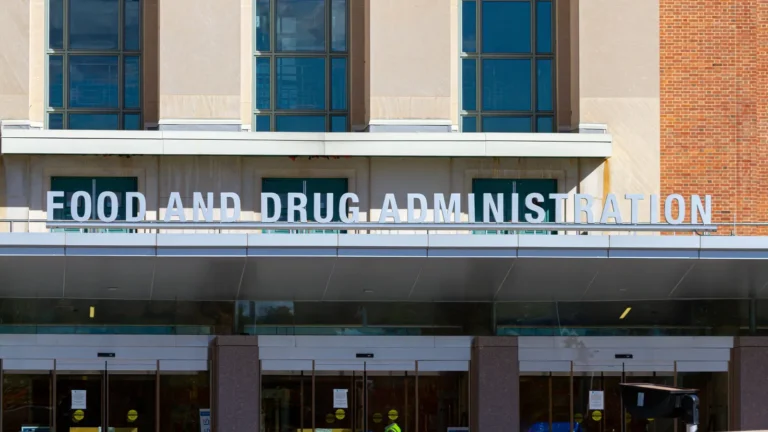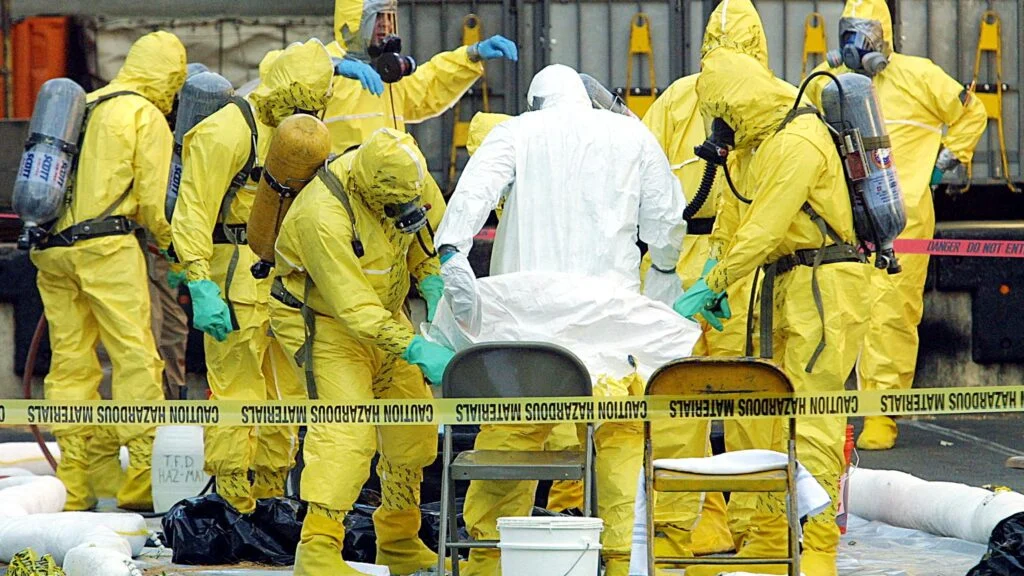
Twenty-five years ago, the United States was already reeling from the psychological and physical devastation of the September 11 terrorist attacks when a new, invisible enemy began to manifest within the nation’s postal system. In the weeks that followed, envelopes laden with anthrax spores were mailed from New Jersey to news media outlets and congressional offices. By the time the dust settled, 22 individuals had been infected with anthrax, five had died, and the nation was plunged into a state of profound anxiety that cost billions of dollars in recovery and infrastructure hardening.
As we reflect on this anniversary, the 2001 anthrax attacks serve as more than just a historical footnote. They offer a masterclass in the complexities of public health response to deliberate biological threats—lessons that remain vital as we navigate an era of emerging infectious diseases and the terrifying potential of artificially generated pathogens.
The Anatomy of an Attack: Chronology and Dissemination
The 2001 investigation remains a defining moment for modern epidemiology. The first warning sign appeared in Florida, at the offices of American Media Incorporated (AMI), where a photo editor for The Sun tabloid fell severely ill. An astute clinician, recognizing the unique clinical markers in a spinal tap specimen, suspected anthrax—a diagnosis that would trigger a national mobilization.
The Timeline of Discovery
- Late September 2001: The initial mailing (postmarked Sept. 18) targeted media outlets. Investigators later termed this "crunchy" anthrax, as the material was clumped and primarily caused cutaneous (skin) infections.
- Early October 2001: The second, more lethal mailing (postmarked Oct. 9) targeted high-profile congressional offices. This formulation was a "fine powder," designed to be easily aerosolized, leading to a higher incidence of inhalational anthrax.
- The CDC Mobilization: Upon confirmation of the second AMI case, the Centers for Disease Control and Prevention (CDC) formally pivoted to a bioterrorism response. The agency stood up an Emergency Operations Center (EOC) in one of its auditoriums, deploying teams across the country to track the path of the spores.
What made the 2001 attacks uniquely terrifying was the weaponization of the postal system itself. The attacker utilized the reach and efficiency of the mail as a distribution machine, turning a mundane daily service into a vehicle for mass casualty.
Supporting Data: The Science of the Spore
One of the most significant advancements during the 2001 investigation was the application of molecular testing. While relatively novel at the time, these diagnostic tools allowed investigators to confirm that the isolates recovered from patient samples, the four powder-containing envelopes, and environmental sites were indistinguishable. This confirmed a common source, providing the forensic bedrock for the subsequent investigation.
Clinical and Epidemiological Findings
The clinical picture was harrowing. Roughly half of the cases were localized skin infections, while the remainder were inhalational—a form of the disease that is notoriously difficult to treat and highly fatal. The investigation revealed that the formulation of the pathogen mattered immensely. The "fine powder" sent to Capitol Hill demonstrated that the attacker had successfully altered the material to maximize its ability to remain suspended in the air, thereby increasing the risk of inhalation among mail-processing staff.
This realization fundamentally altered the government’s approach. Prior to the attacks, existing guidance suggested that the risk of re-aerosolization—spores becoming airborne again after being deposited—was negligible. The deaths of postal workers forced a painful, immediate rethink of public health protocols, ultimately leading to antimicrobial prophylaxis for approximately 32,000 potentially exposed individuals.
Official Responses and the Evolution of Defense
The fallout of the anthrax attacks forced a complete overhaul of the U.S. biodefense infrastructure. The postal service implemented rigorous screening measures, mail-processing facilities were re-engineered to contain potential contaminants, and federal regulations regarding "select agents"—pathogens with the potential to pose a severe threat to public health—were tightened significantly.
However, the current landscape suggests that these advancements are being outpaced by new risks. Infrastructure intended to respond to both natural outbreaks and intentional attacks has faced significant erosion due to budget cuts to both civilian and military biodefense programs.
A recent report by the Center for Strategic and International Studies (CSIS) offers a sobering assessment: "Americans face greater risks from biological threats today than at any time this century—and these risks are growing rapidly." This urgency is amplified by the rise of artificial intelligence, which has the potential to facilitate the development and refinement of biothreat pathogens. As the Bipartisan Commission on Biodefense has noted, AI fundamentally transforms the biological threat landscape, lowering the barrier to entry for bad actors and accelerating the pace of potential biological synthesis.
Implications for the Future: Three Critical Lessons
Twenty-five years after the CDC hastily stood up its first modern EOC, the lessons of 2001 remain largely unlearned. If we are to survive the next generation of biological threats, three imperatives must be addressed:
1. Detection Must Lead to Rapid Interpretation
Early detection is useless if it is not coupled with evidence-based decision-making. There is a growing concern that current administrative climates, which have at times undermined scientific autonomy, could lead to paralysis when faced with a real-time biothreat. Coordination between federal, state, and local governments is increasingly fractured, creating gaps where a pathogen could spread before a unified response is launched.
2. The Danger of Rigid Assumptions
The 2001 attacks succeeded partly because officials relied on old assumptions about how anthrax behaved. Preparedness requires a culture that embraces "managed uncertainty." We must cultivate a public health infrastructure that is open to internal dissent and scientific re-evaluation. Currently, the lack of tolerance for dissenting dialogue within high-level health agencies poses a significant impediment to the rapid course correction required during an evolving crisis.
3. Capability Must Be Maintained
Technology is not a substitute for human capital. A sophisticated surveillance system is only as effective as the experts, networks, and institutions behind it. The CDC is currently facing a staffing crisis, with civilian capacity significantly lower than in previous years. The loss of subject matter experts and seasoned scientific leadership has left the nation’s public health first responders vulnerable. Without a sustained investment in the people who form the backbone of our response network, our technological tools will ultimately fail us.
Conclusion: A Call for Renewed Vigilance
The specter of an intentional release of a pathogen like anthrax remains a persistent, if quiet, threat. In recent years, the world has grappled with significant outbreaks of hantavirus, Ebola, cyclosporas, and a resurgence of measles. These natural crises have tested our systems, but they have also exposed the widening gaps in our public health readiness.
As we look back at the events of 2001, we must recognize that the first signal of an attack will rarely be the full story. The strength of our response will depend not on our ability to simply detect a threat, but on our ability to maintain the people, the institutions, the relationships, and the scientific integrity required to act decisively under pressure.
Twenty-five years after the mail was weaponized, we find ourselves at a critical juncture. It is time to move past the complacency of the intervening years and recommit to a robust, science-driven, and adequately funded biodefense strategy. The infrastructure of our security is built on human expertise—and that is the one resource we can no longer afford to leave under-supported.
Daniel B. Jernigan, M.D., M.P.H., is a contributing scholar at the Johns Hopkins Bloomberg School of Public Health and previously served 31 years at the CDC. During the national investigation of bioterrorism-related anthrax in 2001-2002, he participated as the lead for the Epidemiology and Surveillance Team of the CDC’s Emergency Operations Center.