








In an era of modern medicine often characterized by standardized protocols—where a single diagnostic code frequently leads to a uniform pharmaceutical prescription—Ayurveda offers a striking, time-honored alternative. This ancient system of medicine, rooted in the belief that no two human bodies are identical, posits that true wellness is not achieved through a “one-size-fits-all” approach. Instead, Ayurveda thrives on radical personalization, recognizing that the path to healing must be as unique as the individual walking it.
The Philosophical Foundation of Ayurvedic Medicine
At the heart of Ayurveda lies the understanding that health is a dynamic state of balance. When that balance is disrupted, the resulting symptoms are merely the surface manifestation of a deeper, underlying cause. While allopathic medicine might categorize diabetes into two primary types, Ayurveda identifies twenty distinct classifications, each requiring a specific, nuanced therapeutic strategy.
This principle extends to virtually every ailment. Take the experience of physical pain: an Ayurvedic practitioner does not simply address the sensation of pain. They distinguish between a vata-type pain (often characterized by sharpness or irregularity), a pitta-type pain (often burning or inflammatory), and a kapha-type pain (often dull, heavy, or congestive). By identifying the dosha—the energetic force—driving the imbalance, the practitioner moves beyond the "band-aid" approach of symptom suppression to address the samprapti, or the progression of the disease process.
The Role of the Practitioner in Personalized Care
The effectiveness of Ayurvedic intervention hinges entirely on the expertise of the practitioner. It is their responsibility to analyze an individual’s prakruti (their inherent constitutional state) and vikruti (their current state of imbalance). They must evaluate the client’s agni (digestive fire) and ama (toxin accumulation) to determine the most effective path forward.
This level of scrutiny is essential because, without a tailored approach, even the most powerful healing modalities can prove ineffective or, in some cases, counterproductive. The practitioner acts as a navigator, ensuring that the therapeutic protocol—whether dietary, lifestyle-based, or procedural—aligns precisely with the client’s biological and energetic needs.
The Three Stages of Panchakarma: A Chronological Journey
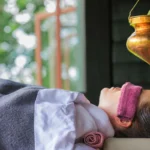
One of the most potent tools in the Ayurvedic arsenal is Panchakarma, a rigorous detoxification and rejuvenation process. While the name translates to "Five Actions," the success of the process depends on the meticulous execution of three distinct stages.
Stage 1: Purvakarma (The Preparatory Phase)
Before the primary elimination actions can occur, the body must be prepared. Purvakarma is designed to kindle the digestive fire and loosen accumulated toxins. This stage involves:
- Kindling Agni: Practitioners may prescribe ginger pickles, specific herbal teas, or warm water to stimulate metabolism.
- Internal Oleation: By consuming medicated ghees or specific oils, toxins stored in deep tissues are dislodged and moved into the digestive tract. This lubrication is essential for the subsequent stages to function safely and effectively.
Stage 2: Pradhanakarma (The Five Primary Actions)
Once the system is primed, the "Five Actions" of Pradhanakarma are employed to purge the body of impurities. These are highly specific to the patient’s needs:
- Virechana (Purgation): Targeting the small intestine, liver, and gallbladder, this method uses specific laxatives to purge excess pitta dosha, addressing inflammatory and digestive imbalances.
- Basti (Medicated Enema): Directed at the large intestine—the primary seat of vata—this process utilizes herbalized teas or oils. It is not merely an elimination tool but a method for nourishing the colon lining.
- Vamana (Emesis): Reserved for specific cases of excess kapha (phlegm), this procedure uses licorice tea and salt water to clear the stomach. It is a highly controlled process and is only performed when medically indicated.
- Nasya (Nasal Administration): The application of medicated oils into the nasal passages. This clears the head space, supports cognitive function, and alleviates sinus congestion.
- Raktamoksha (Blood Cleansing): Historically involving leech therapy, this process aims to clear toxins from the blood—the life-giving force (jivanam) of the body. While rare in the United States, modern, non-invasive adaptations are sometimes employed in specific clinical scenarios.
Stage 3: Paschyatkarma (The Rejuvenation Phase)
Detoxification is an energy-intensive process that can leave the body feeling temporarily depleted. Paschyatkarma serves as the vital recovery period. After the "Five Actions" have cleared the system, the practitioner designs a post-procedure plan focused on rebuilding tissue, restoring digestive strength, and establishing healthy, sustainable lifestyle habits to ensure the longevity of the results.
Supporting Data and Evidence-Based Perspectives
The rising interest in Ayurveda is not merely anecdotal. As patients become increasingly disillusioned with the limitations of pharmaceutical-heavy models, they are turning to traditional systems that emphasize the gut-brain axis and the importance of systemic detoxification.
Panchakarma, in particular, has become a focal point for studies regarding the reduction of systemic inflammation. By focusing on the removal of ama (metabolic waste), the process aligns with modern understandings of cellular autophagy and the reduction of oxidative stress. However, researchers consistently note that the efficacy of these treatments is difficult to quantify in a laboratory setting precisely because the treatments are never identical. When you treat fifty patients with the same condition, you may be using fifty different variations of Panchakarma—making the "practitioner factor" a critical variable in clinical success.
Official Responses and Industry Implications
The Ayurvedic community, including institutions such as the Ayurveda.com education programs and wellness destinations like the SoHum Mountain Healing Resort, emphasizes the need for rigorous training. As the practice gains popularity, the primary concern among leading practitioners is the "dilution" of the science.
"Panchakarma is not a spa treatment," a senior practitioner recently noted during an industry symposium. "It is a medical intervention. Without a trained eye to monitor the samprapti (disease progression) and the delicate balance of the doshas, the process can be dangerous."
The industry is currently moving toward a standard of certification that ensures practitioners are not only familiar with the theory of Ayurveda but are also capable of managing the complex physiological responses that occur during the detoxification process. The implication for the consumer is clear: due diligence is required. Patients are urged to vet their practitioners, ensuring they have the clinical experience to manage the full trajectory of the treatment.
Conclusion: The Future of Holistic Wellness
The resurgence of Ayurveda signals a shift in the global consciousness regarding health. We are moving away from the era of "one pill for every ill" and toward a model that honors the complexity of the human experience. Whether addressing chronic pain, metabolic disorders, or general fatigue, the Ayurvedic promise remains the same: by understanding the root cause and tailoring the therapy to the individual, the body possesses an innate, powerful capacity to return to a state of equilibrium.
For those seeking to explore this path, the journey begins with finding a practitioner who views the body not as a machine to be fixed, but as a unique, evolving ecosystem to be nurtured. As the field continues to bridge the gap between ancient wisdom and modern expectations, the focus remains steadfast on the individual—the only true metric of success in the art of healing.