








In an era defined by fiscal volatility and shrinking public research budgets, the Cancer Research Institute (CRI) has taken a decisive stand: when the environment for scientific inquiry becomes most precarious, the commitment to discovery must become even more steadfast. As the global research community grapples with funding instability, the CRI has responded with its most ambitious investment cycle in its seven-decade history, signaling a new, aggressive chapter in the fight against cancer.
The Magnitude of Commitment: A Record-Breaking Fiscal Year
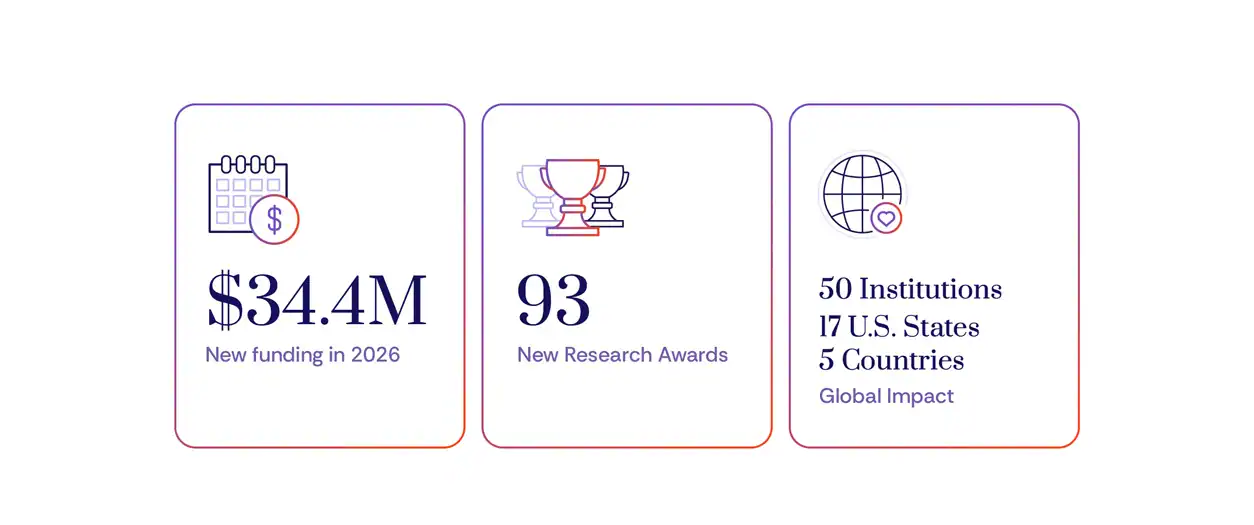
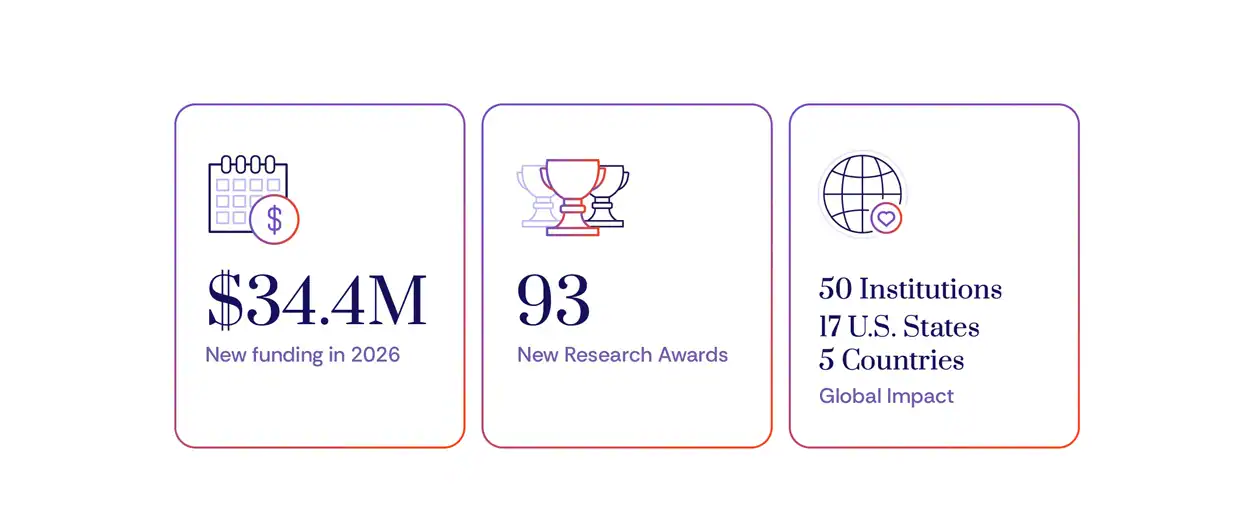
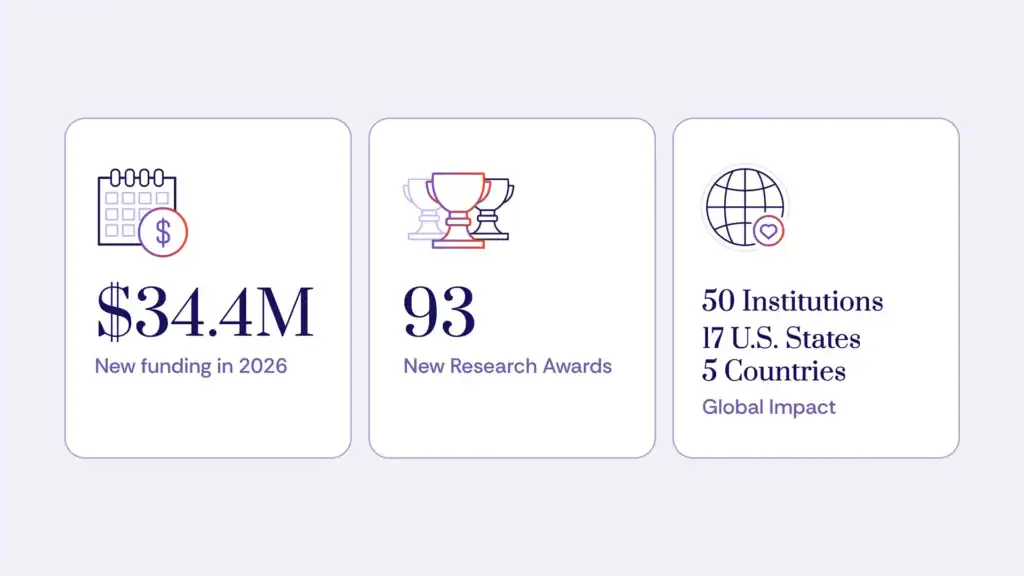
During the 2025–26 fiscal year, the Cancer Research Institute reached a historic milestone, committing $34.4 million in new research funding. This capital injection, distributed across 93 distinct awards, represents the largest grantmaking effort in the organization’s history.
The reach of this investment is both geographic and intellectual. Funding was distributed among scientists at 50 prestigious institutions spanning five countries and 17 U.S. states. However, CRI leadership emphasizes that the true impact of these numbers lies not in the aggregate dollar amount, but in the human capital it sustains. These grants provide the essential resources for early-career researchers launching their first laboratories, mid-career scientists refining their methodologies, and established experts pursuing "moonshot" programs capable of shifting the paradigm of cancer treatment.
Chronology of Innovation: Seventy Years of Sustained Support
The recent surge in funding is not an isolated event; it is the culmination of a 70-year institutional philosophy. Since its inception, the CRI has operated on the premise that the most significant medical breakthroughs often require long-term stability rather than short-term gains.
- 1950s–1980s: Laying the Foundation: CRI pioneered the support of tumor immunology when the field was still considered fringe science. By providing "seed" funding to researchers who would eventually become the architects of modern immunotherapy, the organization solidified its reputation as a venture capitalist for the life sciences.
- 2000s–2020: Scaling Impact: As the clinical efficacy of immunotherapy moved from theory to reality, CRI expanded its scope, developing the Lloyd J. Old STAR Awards to provide long-term, flexible support for high-risk, high-reward research.
- 2025–2026: The Year of Strategic Intervention: Recognizing the "valley of death"—the period where funding for postdocs ends and permanent faculty support has yet to materialize—CRI launched the IGNITE Award. This initiative directly addresses the most vulnerable demographic in the scientific pipeline.
Supporting Data: The Pipeline Problem
The necessity of the CRI’s latest initiatives is backed by sobering trends in the scientific labor market. Data indicates that the transition from postdoctoral training to independent principal investigator (PI) status is currently the greatest "bottleneck" in biomedical research.
Without targeted intervention, many of the brightest minds in oncology are forced to abandon their research trajectories due to a lack of bridge funding. By focusing on the IGNITE (Inspiring Growth and Nurturing Independence Through Excellence) Award, the CRI is explicitly targeting this "vulnerability window."
The data confirms that this strategy works:
- Retention: Scientists supported by CRI during their postdoc years are statistically more likely to secure tenure-track positions.
- Breadth of Inquiry: By providing "flexible" funding, CRI allows researchers to pivot when data demands, rather than being locked into rigid, pre-defined project scopes that often lead to scientific stagnation.
- Global Reach: With 50 host institutions, the CRI is successfully mitigating the impact of localized funding crises, ensuring that geographic location does not dictate the success of a promising oncological project.
Official Spotlight: The Case of Dr. Simone Park
The practical application of the CRI’s mission is perhaps best exemplified by Dr. Simone Park, PhD, a researcher at the University of Pennsylvania and one of the inaugural recipients of the IGNITE Award.
Dr. Park’s work focuses on tissue-resident memory T cells—the "sentinels" of the immune system that reside in bodily tissues. Her research seeks to understand why these cells persist in some patients and not others, and how they can be leveraged to prevent cancer recurrence.
"The transition to independence is the most consequential period in a researcher’s life," says a spokesperson for the CRI. "When we support a scientist like Dr. Park, we aren’t just funding a project; we are investing in a leader who will define the trajectory of cancer immunotherapy for the next thirty years."
Dr. Park’s evolution—from a CRI-supported postdoctoral fellow to an independent investigator running her own laboratory—serves as a blueprint for the CRI’s long-term strategy. It illustrates a "continuum of support" that begins at the graduate level and matures alongside the researcher’s career.
Implications for the Future: A Broader Ecosystem
The CRI’s influence extends far beyond the checkbook. The organization has meticulously built an ecosystem designed to accelerate the "bench-to-bedside" transition. This ecosystem includes:

- Clinical Study Integration: Ensuring that the most promising lab findings are tested in clinical trials with high-quality, patient-centric protocols.
- Data Science and Computational Literacy: Recognizing that modern oncology is increasingly a data-driven field, the CRI is equipping researchers with advanced computational skills to navigate large-scale genomic datasets.
- Patient Advocacy: By providing clear, accessible information, the CRI bridges the gap between complex biological discovery and the patients waiting for new therapeutic options.
A Record of Promises Kept
As detailed in the 2026 Annual Impact Report, the CRI’s record-setting year is more than just an accounting of resources; it is a declaration of intent. In an environment where uncertainty is the only constant, the CRI has chosen to double down on the human potential that drives progress.
The implications for the broader medical field are profound. By shielding researchers from the whims of political and economic cycles, the CRI allows for the kind of "deep work" required to solve complex biological puzzles. The organization maintains that while the landscape of scientific funding may be volatile, the requirements for progress remain unchanged: an insistence on bold ideas, the identification of exceptional people, and the provision of the sustained support necessary to bridge the gap between curiosity and a cure.
Looking toward the future, the CRI’s leadership remains optimistic but grounded. "There is extraordinary work still ahead of us," the organization stated in its year-end review. "And we are just getting started."
By fostering a culture of independence and high-risk exploration, the Cancer Research Institute is ensuring that when the next breakthrough in immunotherapy arrives, the scientists behind it will have the resources they need to change the world. In the face of uncertainty, the CRI’s strategy is clear: keep the science moving, protect the innovators, and never lose sight of the patient at the heart of the research.