






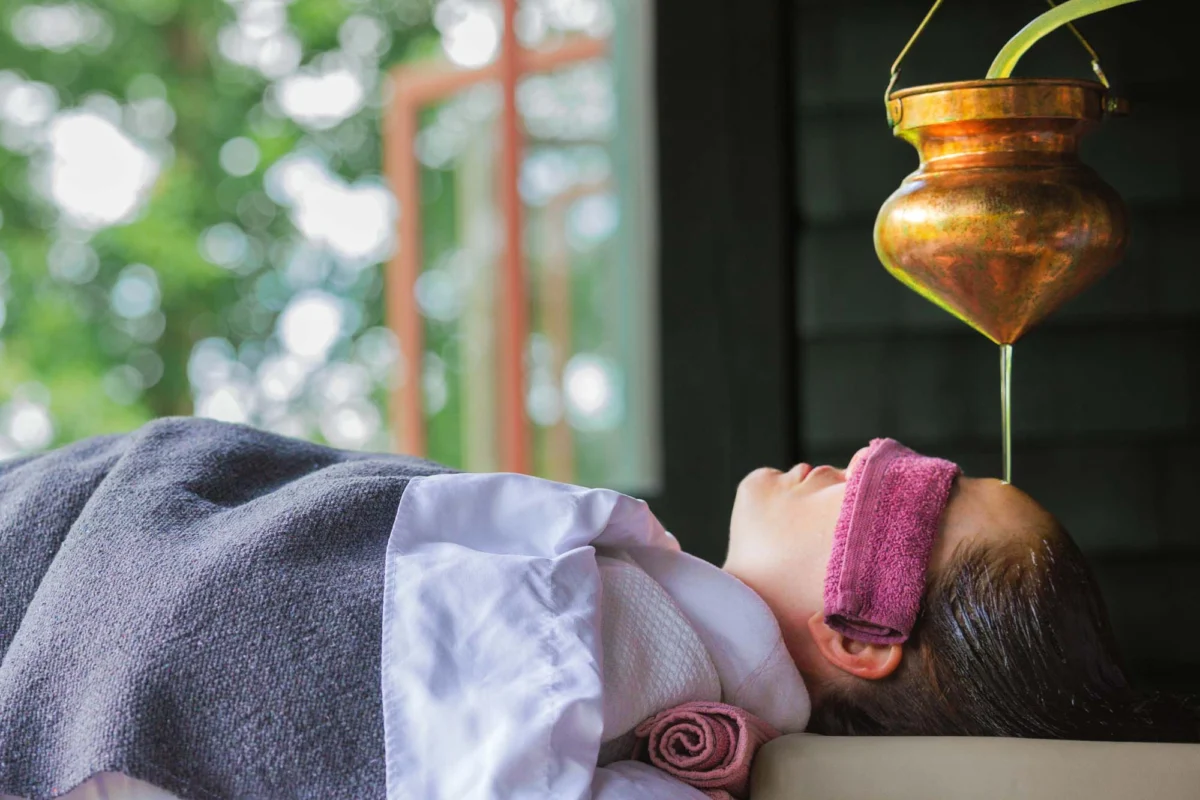
In an era defined by rapid technological advancement, high-stress environments, and an overwhelming influx of sensory stimulation, the search for authentic health has led many back to the roots of ancient wisdom. Among the myriad of wellness trends flooding the digital space—from juice fasts to intermittent fasting—one practice stands out for its clinical depth and historical pedigree: Panchakarma. As the cornerstone of Ayurvedic detoxification, this ancient healing science is increasingly viewed by integrative medicine practitioners as the "gold standard" for sustainable, systemic restoration.
The Philosophical Framework: Ayurveda as a Science of Life
To understand Panchakarma, one must first grasp the foundational principles of Ayurveda. Originating from the intuitive insights of ancient Indian sages, Ayurveda—literally translating to the "Science of Life"—posits that the human body is not a separate entity, but a microcosm of the universe itself. As the renowned practitioner Vasant Lad, BAM&S, MASc, frequently emphasizes, "You are the world and the world is you."
This interconnectedness suggests that every facet of human experience—diet, environment, emotional state, professional stress, and interpersonal relationships—directly influences physiological health. In this view, health is not merely the absence of disease, but a state of dynamic equilibrium between the body, mind, and spirit. When our internal state (Prakruti) is disturbed by external stressors, we drift into a state of imbalance known as Vikruti. Ayurveda provides the roadmap to return to that initial state of harmony.
The Two Pillars of Ayurvedic Healing
Ayurvedic therapeutics are generally categorized into two distinct modalities:
1. Shamana (Palliative Support)
This is the maintenance phase of wellness. It involves the management of the doshas (the fundamental energetic forces of the body) through lifestyle modification. This includes a constitution-specific diet, daily routines (Dinacharya), yoga, pranayama (breathwork), and quality sleep. Shamana serves to pacify mild imbalances before they manifest as deep-seated pathology.
2. Shodhana (Cleansing/Detoxification)
When toxins have accumulated to the point of obstructing the body’s channels (Srotas), palliative measures are often insufficient. This is where Shodhana, or Panchakarma, becomes essential. It is a rigorous process of deep-tissue cleansing designed to clear the channels, allowing Prana (life force) to flow unimpeded.
Defining Panchakarma: Beyond the Modern "Detox"
The modern wellness industry has commercialized the term "detox," leading to a proliferation of water cleanses and restrictive diets. While these methods may provide temporary relief by giving the digestive system a much-needed break, they often operate only on the surface level of the gastrointestinal tract.
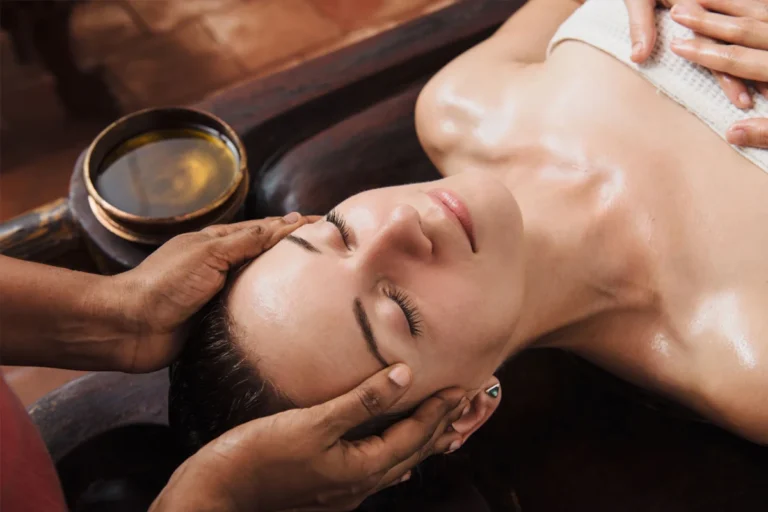
Panchakarma (meaning "five actions") is fundamentally different. It is a personalized, clinical approach that treats the individual, not the symptom. The process involves the systematic mobilization of Ama—the toxic byproduct of incomplete digestion—from the deep tissues back into the digestive tract for elimination. Unlike a standard juice cleanse, which may result in rapid initial weight loss or a feeling of lightness, Panchakarma is a multi-layered process that uses specialized herbal oils, therapeutic massage (Abhyanga), and internal cleansing techniques to reach the root cause of systemic imbalance.
The Chronology of the Panchakarma Experience
A formal Panchakarma retreat is not a quick fix; it is a carefully orchestrated sequence of stages designed to protect the patient’s integrity while facilitating profound change.
The Preparatory Phase (Purvakarma)
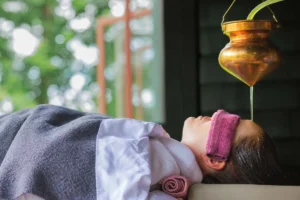
Before any deep cleansing occurs, the body must be prepared. This involves Snehana (internal and external oleation) and Swedana (therapeutic sweating). These steps soften the toxins lodged in the tissues, encouraging them to migrate toward the digestive tract.
The Cleansing Phase (Pradhana Karma)
This is the core of the process, where the five primary actions are performed based on the practitioner’s assessment of the client’s unique constitution. These may include specific, highly controlled procedures to purge toxins from the blood, liver, and deep tissues.
The Rejuvenation Phase (Paschat Karma)
Once the toxins are cleared, the body is in a sensitive, "open" state. This phase focuses on Rasayana—rejuvenation therapies that rebuild the tissues, restore digestive fire (Agni), and instill long-term vitality through dietary protocols and herbal tonics.
Supporting Data: Why Personalization Matters
The primary differentiator of the Ayurvedic model is its rejection of the "one-size-fits-all" approach. Modern scientific studies in the field of epigenetics and personalized medicine are beginning to mirror what Ayurveda has taught for millennia: that individual genetic makeup and environmental factors dictate how we process stress and toxins.
Because no two individuals possess the same constitution, the intensity, duration, and specific herbal applications of a Panchakarma cycle must be tailored to the individual. A client with a high Vata (air/space) imbalance requires different oils and treatments than a client with a Pitta (fire/water) or Kapha (earth/water) imbalance. Failing to account for these nuances can lead to further depletion rather than restoration.
Official Perspectives: The Role of the Practitioner
The efficacy of Panchakarma is inextricably linked to the quality of clinical supervision. The process of mobilizing deep-seated toxins is physiologically demanding; therefore, it requires the steady hand of an experienced Ayurvedic practitioner.
At institutions like The Ayurvedic Institute, the training of practitioners goes far beyond the memorization of classical Sanskrit texts. Under the tutelage of masters like Vasant Lad, students are taught the "art" of healing. This involves:
- Daily Clinical Monitoring: Ensuring that the client’s Agni remains strong throughout the detoxification process.
- Compassionate Awareness: Understanding the emotional and psychological shifts that often accompany physical detoxification.
- Ethical Responsibility: Recognizing when a client is ready for a deep cleanse and when they require more supportive, nourishing therapy first.
"How are we holding a client in our awareness?" is the question that defines the standard of care. True Panchakarma requires a practitioner to operate from a place of compassion, grace, and deep clinical observation.
Implications for Future Wellness
As we look toward the future of global health, the integration of Panchakarma into mainstream wellness discourse represents a shift toward long-term preventative care. While modern medicine excels at acute trauma and crisis intervention, the "Gold Standard" of Ayurveda offers a blueprint for chronic health management and the mitigation of lifestyle-related diseases.
Seasonal Alignment
Ayurveda advocates for cleansing at the junction of each season—typically 2-3 times per year. This seasonal recalibration acts as a "hard reset" for the immune system, helping the body transition smoothly from the cold of winter to the warmth of spring, or the humidity of summer to the dryness of autumn. By staying ahead of doshic imbalances, individuals can prevent the accumulation of Ama before it manifests as chronic fatigue, inflammation, or metabolic dysfunction.
The Path Forward
For those seeking to explore this path, the recommendation is clear: avoid "do-it-yourself" detox programs found in magazines or online forums. The complexity of the human physiology, especially when dealing with the release of deep-seated toxins, necessitates a guided environment. Whether through immersive retreats at locations like the SoHum Mountain Healing Resort or specialized clinics in India, the goal remains the same: to return to a state of harmony with nature.
Conclusion: A Commitment to the Self
Panchakarma is not merely a detox; it is a profound act of self-care. It asks the individual to step away from the noise of the external world and attend to the fundamental needs of the body and mind. In a world that demands constant output, this ancient science offers the permission to turn inward, clear the obstructions, and reclaim one’s natural, vibrant health. By embracing the rigor and the grace of this process, we do not just heal the body—we refine the way we exist within the world.
For those interested in the formal study of these healing arts, information regarding advanced training programs and admission inquiries is available through established academic institutions. For those ready to embark on a personal healing journey, clinical retreats offer the structured, supportive environment necessary to ensure that the ancient wisdom of Panchakarma is applied safely and effectively.