








Contributing Author: Blood Cancer United
As medicine advances, the definition of success in oncology is shifting. For decades, the primary metric of a successful cancer treatment was survival—simply keeping the patient alive. However, as breakthrough therapies like CAR T-cell therapy transform once-fatal diagnoses into manageable conditions, the focus of the medical community is expanding. Today, survivorship is not just about the absence of disease; it is about the quality of life that follows. For the thousands of young adults undergoing treatment for blood cancers, a pressing, life-altering question remains: "Will I be able to have biological children?"
September is Blood Cancer Awareness Month, a time dedicated to honoring the progress made in the fight against leukemia, lymphoma, and myeloma. It is also an opportune moment to address the long-term, post-treatment concerns that patients increasingly prioritize. A collaborative effort led by researchers at Blood Cancer United, the Moffitt Cancer Center, and the University of Florida Health is currently working to bridge a critical knowledge gap: the impact of CAR T-cell therapy on reproductive health.
The Evolution of CAR T-Cell Therapy
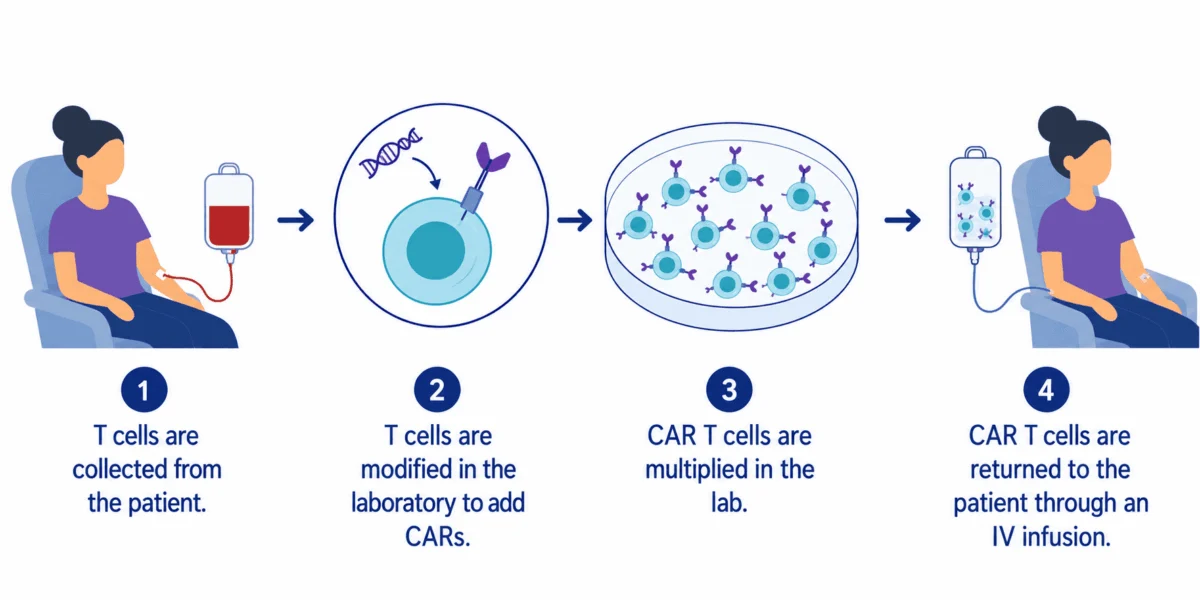
To understand the fertility landscape, one must first understand the mechanism of Chimeric Antigen Receptor (CAR) T-cell therapy. At its core, this is a sophisticated form of immunotherapy that leverages the patient’s own immune system as a precision weapon.
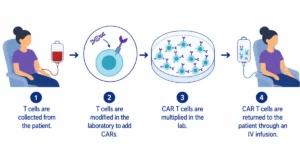
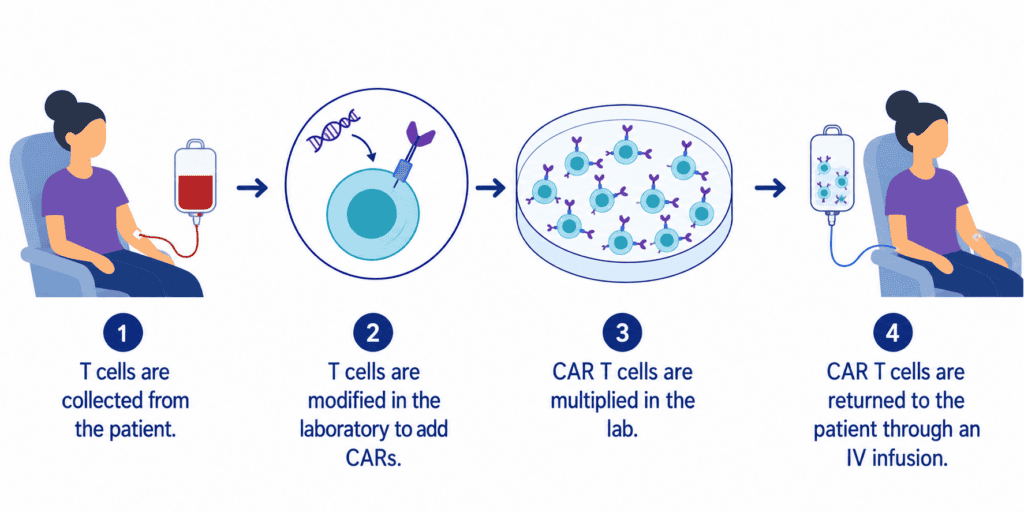
The process is a feat of modern biotechnology. T cells—the "soldiers" of the immune system—are extracted from the patient’s blood. Once in a laboratory, these cells undergo genetic modification to express a "chimeric antigen receptor" (CAR). This receptor acts as a biological GPS, enabling the T cells to lock onto specific proteins (antigens) found on the surface of cancer cells. Once the modified cells are re-infused into the patient, they proliferate and initiate a targeted attack against the malignancy.
This field has seen a meteoric rise since the early 2010s. Breakthrough research led by Dr. Carl June and colleagues at the University of Pennsylvania provided the foundation for the first FDA-approved CAR T-cell therapy in 2017. Since then, the treatment has become a standard of care for refractory or relapsed blood cancers, offering hope to those who had exhausted all other medical options.
A History of Uncertainty: Why Data Remains Elusive
The primary challenge in studying the fertility impact of CAR T-cell therapy lies in the history of the patients themselves. Because CAR T is often a "later-line" treatment—meaning it is typically reserved for patients whose cancer has returned or proved resistant to other therapies—these individuals arrive at their CAR T infusion with a heavy "treatment burden."
Most patients have already undergone years of aggressive chemotherapy, radiation, or stem cell transplantation—all of which are known to have potentially sterilizing effects on reproductive organs. Furthermore, the CAR T protocol itself includes a brief, intense course of "lymphodepletion" chemotherapy designed to clear space in the immune system for the new cells to expand.
Because of this complex medical history, isolating the specific role of CAR T-cell therapy in fertility outcomes is statistically difficult. Is a decline in fertility a result of the immunotherapy, or is it a cumulative consequence of years of prior toxic exposures? Disentangling these variables is the central challenge for clinical researchers today.
Preliminary Findings: A Glimmer of Optimism
To address these unknowns, the research team at Blood Cancer United and its partners launched a dedicated, patient-facing survey designed to capture real-world data directly from survivors.
The initial results, drawn from 106 respondents, provide a significant, if preliminary, snapshot of the landscape. Of the cohort, 32 individuals expressed a desire to pursue parenthood following their CAR T-cell treatment. Of those, 12 actively attempted to conceive. Perhaps most encouragingly, six of these individuals reported successful pregnancies—four involving female respondents and two involving the partners of male respondents.
At the time of the data analysis, three of these pregnancies had already resulted in healthy live births, while three remained ongoing. Notably, none of the participants in this subset required the use of assisted reproductive technologies (ART), such as IVF.
While researchers caution that this small sample size cannot yet provide a definitive answer regarding the risk profile of CAR T-cell therapy, the findings are fundamentally hopeful. They confirm that conception is not only possible but occurring in the post-treatment population, challenging the assumption that CAR T-cell therapy acts as an absolute barrier to biological parenthood.
Insights from Autoimmune Research
Interestingly, the medical community is finding that the data on CAR T-cell therapy is not limited to oncology. Recent interest in using CAR T cells to treat severe autoimmune diseases, such as lupus, has provided an unexpected window into reproductive health.
In a 2026 report, clinicians tracked 13 patients with autoimmune conditions who had undergone CAR T-cell therapy and subsequently pursued pregnancy. The report detailed 14 total pregnancies, resulting in eight healthy infants at the time of publication. While these patients differ from cancer survivors in their disease profiles and prior treatment histories, these results provide a growing body of evidence that helps refine our understanding of the systemic impact of T-cell modification.
The Clinical and Ethical Implications
The importance of this research cannot be overstated. When physicians are armed with better data, the quality of counseling improves dramatically. Currently, many oncologists are forced to rely on generalized warnings about "potential risk," which can be distressing for younger patients already navigating the trauma of a cancer diagnosis.
"These early findings are encouraging, but they also highlight how much we still need to learn," explains Dr. Nina Logan, Senior Director of Research & Clinical Programs at Blood Cancer United. "Our goal is to give patients and their care teams better information about fertility after CAR T-cell therapy so they can have informed conversations about treatment, survivorship, and their plans for the future."
If researchers can determine the exact mechanisms—if any—by which CAR T cells interact with the reproductive system, it could lead to:
- Improved Risk Stratification: Helping doctors identify which patients are at higher risk of fertility loss.
- Enhanced Counseling: Allowing for more accurate discussions about the necessity of fertility preservation (such as egg or sperm freezing) before treatment begins.
- Proactive Planning: Providing patients with a clearer timeline for when they might safely attempt to conceive post-treatment.
Moving Forward: The Path to Clarity
The current study, "Fertility Outcomes Following CAR T-Cell Therapy," is an ongoing effort. The research team intends to continue expanding the participant pool, incorporating longitudinal data that includes laboratory markers of fertility and long-term reproductive health tracking.
For the cancer survivor community, this study represents a vital shift in the culture of care. It recognizes that for a 25-year-old or 30-year-old, "beating cancer" is the first step, not the final goal. The ability to build a family is a fundamental human experience, and as science continues to push the boundaries of what is possible, it is essential that the psychological and reproductive health of the survivor stays at the forefront of the conversation.
How to Participate
The researchers are actively seeking more data to strengthen these findings. Adults aged 18 and older who have received CAR T-cell therapy for blood cancer are invited to share their experiences through the CAR-T Fertility Survey. Participation is anonymous and provides invaluable data that will help future patients make informed decisions about their reproductive futures.
Sources and Further Reading
- Pediatric cancer immunotherapy and potential for impact on fertility: A need for evidence-based guidance, Transplant Cell Ther, 2024.
- Fertility outcomes following CAR T-cell therapy: Results from a patient-facing survey, Tandem Meetings | Transplantation & Cellular Therapy Meetings of ASTCT and CIBMTR, 2026.
- Pregnancies in patients with autoimmune disease receiving CAR T-cell therapy, N Engl J Med, 2026.
- Approved Cellular and Gene Therapy Products, U.S. Food and Drug Administration, 2026.
Disclaimer: This article is provided for informational purposes only. Blood Cancer United and its partners do not endorse specific medical decisions. Patients should consult their primary oncology team before making any decisions regarding fertility or treatment plans.