









For millions of people living with obstructive sleep apnea (OSA), the Continuous Positive Airway Pressure (CPAP) machine is the gold standard of treatment. It is a life-saving technology designed to keep airways open during sleep, preventing the dangerous pauses in breathing that characterize the condition. However, the efficacy of CPAP is entirely dependent on one critical factor: adherence.
For years, clinicians have struggled with the reality that many patients find the therapy uncomfortable, intrusive, or simply impossible to maintain. While much of the industry’s focus has been placed on mask fit, pressure settings, and psychological adjustment, a significant—and often overlooked—barrier has emerged as a primary culprit for nonadherence: nasal congestion.
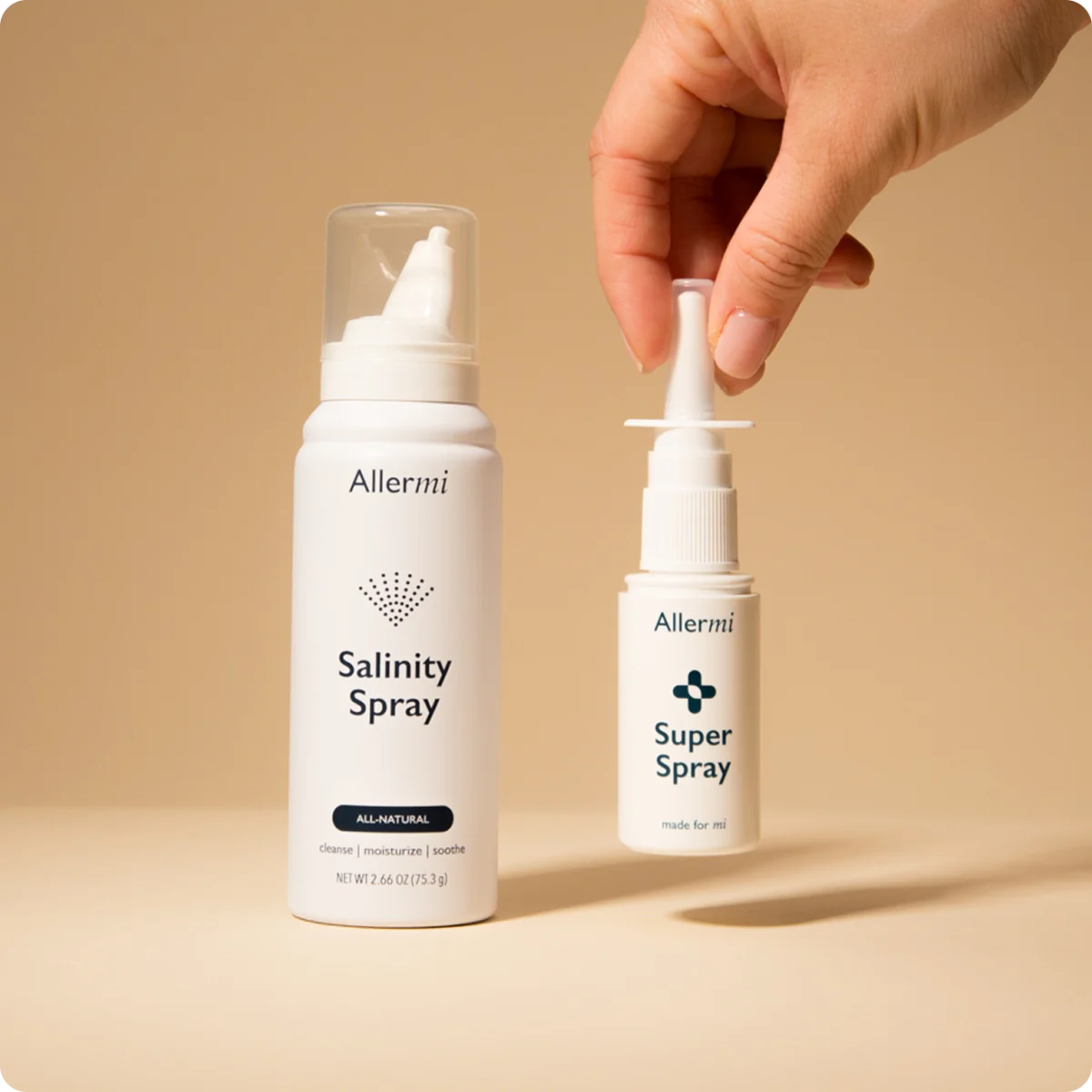
New survey data from the telehealth company Allermi suggests that the inability to breathe freely through the nose is not merely an annoyance for CPAP users; it is a fundamental driver of therapy abandonment. By addressing nasal obstruction with personalized medical interventions, patients are reporting a newfound ability to maintain the consistency required for successful sleep apnea management.
The Silent Barrier to Adherence: Main Facts
The recent survey, which polled 112 verified Allermi customers, paints a stark picture of the CPAP experience. Among the respondents, 80% explicitly stated that nasal congestion made it significantly more difficult to wear their CPAP mask throughout the night.
Perhaps more alarmingly, 56% of those surveyed admitted that their nasal symptoms were severe enough that they had seriously considered abandoning their CPAP therapy altogether before seeking out a solution like Allermi’s personalized nasal spray. These findings underscore a critical gap in current sleep medicine protocols: if the patient cannot breathe through their nose, the pressurized air from a CPAP machine often feels suffocating rather than supportive, leading to a high rate of discontinuation.
Chronology of the Study
The data collection period was conducted over a one-week window, from August 28, 2026, to September 2, 2026. This timeframe allowed researchers to capture real-time feedback from patients who had integrated Allermi’s specialized, prescription-based nasal sprays into their existing CPAP routines.
While the study is not a randomized clinical trial—it relies on self-reported, retrospective data—the consistency of the responses across the cohort provides a compelling signal for practitioners. By comparing the patients’ subjective experiences before and after incorporating nasal care into their sleep hygiene, the survey highlights a clear correlation between open nasal passages and increased CPAP usage hours.
Supporting Data: The Case for Nasal Health
The data indicates that the "mask-on" time for these patients increased significantly once their nasal congestion was managed. The survey found that:
- Improved Consistency: A substantial majority of respondents reported that they were able to use their CPAP machine for longer durations each night once their nasal pathways were clear.
- Reduced Friction: Patients noted that the sensation of "fighting" the machine was replaced by a more seamless, natural breathing experience, which directly reduced the psychological fatigue associated with wearing the mask.
- Preventative Potential: The data suggests that for more than half of the study group, a simple, personalized pharmacological intervention was the difference between continued therapy and the abandonment of a life-saving medical device.
This data aligns with broader trends in sleep medicine, where "nasal obstruction" is increasingly recognized as a key factor in poor CPAP tolerance. Historically, patients with rhinitis or chronic congestion have been deemed "difficult" or "non-compliant," but this new information suggests that the problem may be physiological and treatable, rather than a failure of patient willpower.
Official Perspectives: Shuba Iyengar, MD, and Dr. Rafael Pelayo
The findings have sparked a deeper conversation among medical professionals regarding how we treat the "whole patient" in sleep medicine.
Shuba Iyengar, MD, chief medical officer and co-founder of Allermi, notes that the industry has long neglected the nose in favor of the throat and palate. "Nasal congestion is one of the most common complaints we hear from patients who use CPAP, and it is rarely treated as part of the therapy itself," Dr. Iyengar stated in a recent release. "When patients tell us in their own words that they can finally keep the mask on, that is a signal worth taking seriously, and it is why we are investing in more research with sleep medicine partners."
The sentiment is echoed by Dr. Rafael Pelayo of the Stanford Sleep Medicine Center and clinical professor at the Stanford University School of Medicine. Dr. Pelayo admits that his own clinical evolution mirrors the current shift in the field.
"When I first started my career in sleep medicine, I did not appreciate the importance of nasal breathing," Dr. Pelayo explains. "The early clinical teaching focused more on the soft palate and base of the tongue. But gradually, I began to appreciate more the importance for my sleep apnea patients of having open nasal passages."
Dr. Pelayo’s perspective represents a maturing understanding of the upper airway. If the nose is obstructed, the body is forced to compensate, often leading to mouth breathing. Mouth breathing during CPAP use can lead to air leaks, dry mouth, and a feeling of discomfort that causes the patient to wake up and remove the mask. By ensuring the nose is open, the CPAP system can function as it was designed.
Implications for Sleep Medicine and Patient Care
The implications of these findings are profound for sleep clinics and primary care physicians. If 56% of patients are considering quitting therapy due to congestion, it implies that a significant portion of CPAP nonadherence could be mitigated by more aggressive, personalized management of nasal health.
1. Shift in Diagnostic Focus
Clinicians may need to conduct more thorough assessments of a patient’s nasal anatomy and history of rhinitis before or during the initiation of CPAP therapy. Instead of simply prescribing a pressure setting, providers might look at the "nasal airway resistance" as a key performance indicator for long-term adherence.
2. Personalized Therapeutics
The move toward personalized nasal sprays—rather than one-size-fits-all over-the-counter decongestants—offers a more sustainable path. Over-the-counter products often come with the risk of "rebound congestion" if used long-term. A prescription-based, personalized approach allows for a formulation that addresses the specific inflammatory or structural needs of the individual patient, allowing for safe, nightly use.
3. A Holistic Approach to Therapy
The survey underscores that CPAP is not a stand-alone device; it is part of a complex physiological system. For the therapy to be effective, the entire upper airway must be optimized. This means that sleep physicians might increasingly partner with otolaryngologists (ENTs) or telehealth specialists to ensure that the patient’s nasal pathway is clear, effectively "clearing the road" for the CPAP pressure to do its work.
The Road Ahead: Challenges and Future Research
While the survey results are encouraging, the medical community remains cautious. Because the study was limited to 112 participants and relied on self-reported data, the next phase of research must involve larger, multi-center clinical trials.
Researchers need to determine:
- Long-term Efficacy: Does the improvement in adherence persist over months or years?
- Objective Measurement: Future studies should use objective data from CPAP machine downloads (e.g., AHI scores and hours of use) rather than relying solely on patient recollection.
- Cost-Effectiveness: Is the integration of specialized nasal therapy a cost-effective way to reduce the high economic burden of untreated sleep apnea?
Despite these questions, the core message remains clear: we cannot expect patients to adhere to a therapy that makes them feel physically uncomfortable. By listening to patient feedback and validating the struggle of nasal congestion, the field of sleep medicine is moving closer to a more patient-centric model of care.
Conclusion
The path to better sleep and better health for millions of CPAP users may start with a simple breath. For many, the hurdle to consistent therapy is not the machine itself, but the body’s own resistance to pressurized air—a resistance often caused by inflammation and obstruction in the nasal passages.
The data provided by Allermi serves as a timely reminder that innovation in sleep medicine is not just about newer machines or smarter algorithms; it is about addressing the fundamental, human obstacles to care. As experts like Dr. Iyengar and Dr. Pelayo point out, recognizing the nose as a critical component of the airway is a necessary step in the evolution of sleep treatment. When we treat the congestion, we allow the patient to reclaim their rest, one breath at a time.