







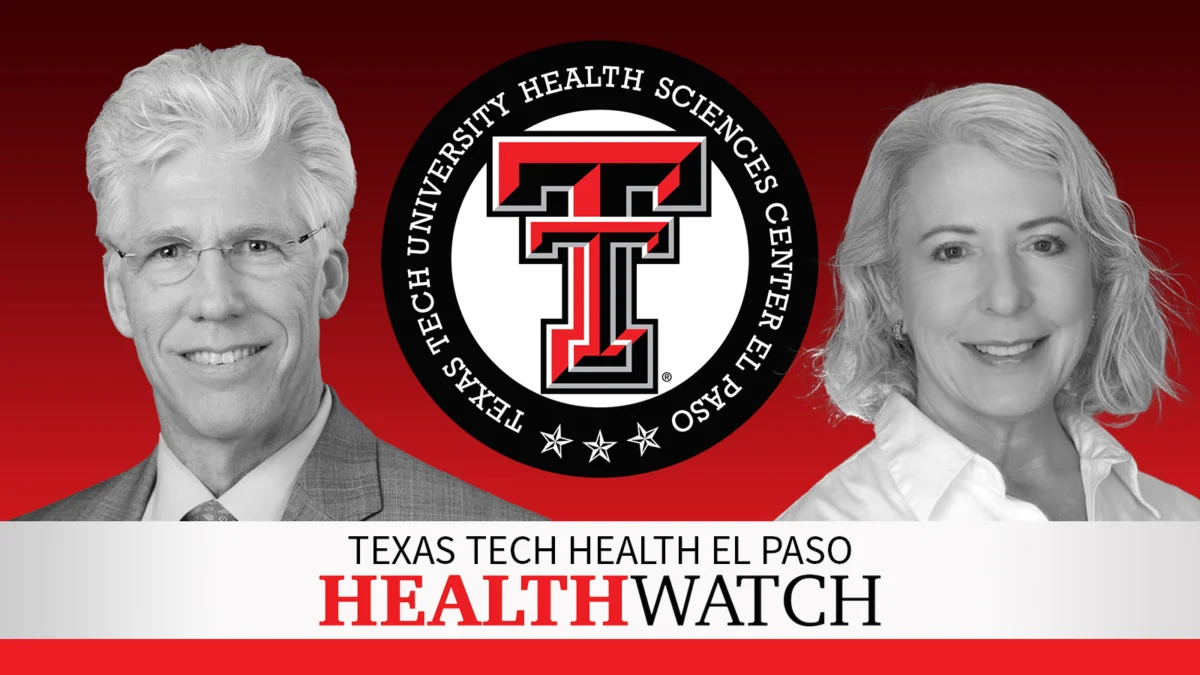
In the rapidly evolving landscape of clinical medicine, separating evidence-based practice from traditional assumptions is a perennial challenge. The most recent episode of TTHealthWatch—the weekly medical analysis podcast produced by Texas Tech University Health Sciences Center—tackles this challenge head-on. Hosted by medical journalist Elizabeth Tracey and Dr. Rick Lange, president of Texas Tech Health El Paso, the program dissects four pivotal studies that hold the potential to reshape standard-of-care protocols in oncology, gastroenterology, and critical care medicine.
This week’s discussion bridges the gap between the laboratory and the bedside, addressing the survival benefits of exercise in cancer patients, the optimization of colonoscopy screening intervals, the intersection of COVID-19 vaccination and immunotherapy, and the persistent debate surrounding sodium bicarbonate therapy in the intensive care unit (ICU).
The Role of Structured Exercise in Cancer Survivorship
One of the most compelling segments of the program focuses on a meta-analysis published in The BMJ, which evaluates the efficacy of structured exercise regimens for individuals undergoing cancer treatment. With 21 randomized controlled trials and nearly 8,500 participants, the study provides a robust look at how physical activity influences long-term outcomes.
Evidence-Based Survival Benefits
The findings indicate that structured exercise is not merely a lifestyle recommendation but a clinical intervention that significantly impacts patient survival. The analysis revealed:
- A 23% improvement in overall survival among cancer survivors.
- A 26% reduction in cancer-specific mortality.
- Disease-free survival and all-cause mortality also saw notable, though slightly smaller, improvements.
While the study did not find significant changes in "progression-free survival" or "pathological complete response," the evidence for overall survival is rated as moderate to strong. The benefits were most pronounced in patients who demonstrated high adherence to their prescribed exercise routines and those who engaged in aerobic training, particularly during the early stages of disease management.
Biological Mechanisms of Action
The researchers hypothesize that exercise functions as a biological catalyst for tumor suppression. Key mechanisms identified include:
- Enhanced Immunosurveillance: Exercise appears to improve the infiltration of cytotoxic T cells and natural killer cells into the tumor microenvironment.
- Drug Delivery: Increased cardiovascular circulation potentially improves the penetration of systemic cancer therapies into the tumor site.
- Metabolic Deprivation: By increasing glucose uptake and oxidation in skeletal muscle, exercise may effectively "starve" the tumor of the nutrients it requires for rapid proliferation.
Despite the positive results, Tracey and Dr. Lange noted a demographic bias in the data: the majority of participants were women with breast cancer. Future research will be required to validate these findings across a more diverse range of cancer types and to determine the "optimal exercise prescription" that maximizes clinical benefit while remaining accessible to patients.
Redefining Colonoscopy Surveillance Intervals
In the field of gastroenterology, the frequency of surveillance colonoscopies following the removal of adenomatous polyps has long been a subject of debate. Current U.S. guidelines often mandate a follow-up colonoscopy within three years for patients deemed at high risk for recurrence.
A Landmark Comparison
A study published in the New England Journal of Medicine challenged this conventional 3-year interval. Researchers compared the outcomes of nearly 11,000 patients randomized to receive surveillance either at three years or five years post-polyp removal.
The results, characterized as a "non-inferiority" outcome, were striking:
- Cumulative Incidence: At 10 years, the incidence of colorectal cancer was 0.8% in the 3-year surveillance group and 0.8% in the 5-year surveillance group.
- Cancer Staging: There was no significant difference in the stage of cancer at the time of diagnosis between the two groups.
Clinical Implications
This data suggests that extending the surveillance interval to five years does not compromise patient safety. This shift could significantly reduce the burden on healthcare resources and, more importantly, spare patients the unnecessary anxiety and physical discomfort associated with frequent bowel preparation and invasive procedures. As Dr. Lange noted, this interim analysis strongly points toward a future where five-year intervals become the standard of care for this patient population.
COVID-19 Vaccination and Immune Checkpoint Inhibitors (ICIs)
The rise of immunotherapy, specifically immune checkpoint inhibitors (ICIs), has revolutionized cancer treatment. However, clinicians have frequently expressed concern that vaccinations—particularly for COVID-19—might either dampen the effectiveness of ICIs or trigger severe, immune-related adverse events.
The French National Cohort Study
Published in Nature Medicine, a study of over 95,000 adults in France provides much-needed clarity. By analyzing patients initiating ICI therapy over a three-year period, the study assessed all-cause mortality in relation to mRNA vaccination timing (pre- and post-initiation of therapy).
The findings were clear:
- Survival Benefit: Vaccination was associated with a modest but statistically significant reduction in early all-cause mortality (approximately 10% to 16% in the first few months).
- No Interference: There was no evidence that vaccination decreased the efficacy of immunotherapy, nor was there an increase in life-threatening immune-related toxicities.
The authors concluded that the observed survival benefits are likely due to the general health-protective effects of vaccination rather than a specific interaction with the immunotherapy drugs. This finding is critical in the era of medical misinformation, as it reinforces the safety and necessity of vaccination even for patients undergoing complex cancer treatments.
The Futility of Sodium Bicarbonate in Critical Care
The final topic addressed in the TTHealthWatch report is a pragmatic investigation into the use of sodium bicarbonate in critically ill patients presenting with metabolic acidosis and shock.
The ICU Dilemma
For decades, many clinicians have administered sodium bicarbonate to patients in shock to raise blood pH, with the intention of making vasopressors (medications used to support blood pressure) more effective. While this intervention appears logical on a biochemical level, clinical outcomes have historically been ambiguous.
The Pragmatic Trial
A study involving 500 patients across 55 intensive care units in seven countries investigated whether sodium bicarbonate truly improves outcomes. Patients with metabolic acidosis (pH < 7.3) and shock were randomized to receive either sodium bicarbonate or a placebo.
The results were definitive:
- Primary Outcome: There was no difference in the risk of death, the need for renal replacement therapy, or the persistence of renal dysfunction at 30 days.
- Statistical Parity: The primary adverse outcomes occurred in 40% of the sodium bicarbonate group and 39% of the placebo group.
The conclusion is somber but necessary: the routine administration of sodium bicarbonate in this setting is largely futile. This study serves as a vital reminder for intensivists to focus on evidence-based resuscitation strategies rather than relying on interventions that do not improve long-term patient survival or morbidity.
Implications for Modern Clinical Practice
The common thread linking these diverse topics is the constant push toward precision and evidence-based medicine. Whether it is the validation of exercise as a potent oncology "drug," the reduction of unnecessary diagnostic testing in gastroenterology, or the debunking of ritualistic practices in the ICU, the goal remains the same: improving patient care through rigorous data.
Summary of Key Findings:
- Oncology: Structured exercise is a proven, non-toxic adjuvant therapy that enhances survival in cancer patients.
- Gastroenterology: Surveillance intervals for post-polyp patients can be safely extended to five years, improving patient quality of life without increasing cancer risk.
- Immunology: Vaccination is safe and potentially beneficial for patients on immune checkpoint inhibitors, debunking concerns of interference.
- Critical Care: Sodium bicarbonate therapy in shock does not improve clinical outcomes, highlighting the need to abandon practices that lack empirical support.
As Dr. Lange and Elizabeth Tracey concluded in their broadcast, the ability to synthesize these findings and apply them to daily practice is what separates high-quality care from standard habit. For patients and practitioners alike, the message from TTHealthWatch is clear: scientific inquiry is the most effective tool we have for ensuring both the efficacy and the humanity of modern medicine.