








By Ben Fidler | September 25, 2026
The biopharmaceutical sector continues to move at a breakneck pace, driven by a combination of high-stakes litigation, transformative drug-delivery partnerships, and a steady stream of regulatory milestones. This week’s news highlights the industry’s push toward increased patient convenience—particularly in chronic metabolic disease management—and the ongoing challenges of clinical trial execution and corporate competition.
From Novo Nordisk’s strategic pivot to long-acting injectables to a significant courtroom outcome for Nektar Therapeutics, the following report summarizes the key developments shaping the market.
Main Facts: The Week in Review
The landscape of cardiometabolic medicine and immunology saw major shifts this week, defined by the following headline developments:

- Novo Nordisk’s Long-Acting Pivot: In a massive move to dominate the future of obesity and diabetes care, Novo Nordisk has entered a global licensing and collaboration agreement with the Swedish biotech firm Nanexa. The deal, valued at up to $1.32 billion, centers on Nanexa’s proprietary "PharmaShell" technology.
- Legal Resolution for Nektar: A California federal jury delivered a verdict in the high-profile litigation between Nektar Therapeutics and Eli Lilly. While the jury sided with Nektar, the $90 million award fell significantly short of the nearly $1 billion the company sought in damages related to their failed autoimmune alliance.
- FDA Greenlights New Therapies: The regulatory environment remains active, with the FDA granting approval to Eli Lilly’s once-weekly insulin, Onswik, and expanding the indication for Merck & Co.’s kidney cancer treatment, Welireg.
- Acadia’s High-Stakes Bet: Despite a disappointing Phase 2 trial result for its Alzheimer’s drug, remlifanserin, Acadia Pharmaceuticals is pressing forward with Phase 3 testing, citing a favorable safety profile and potential for future success.
Chronology: A Timeline of Recent Industry Movements
- 2019: Merck & Co. acquires the rights to Welireg through a strategic buyout of Peloton Therapeutics.
- 2023: Nektar Therapeutics files a lawsuit against Eli Lilly, alleging that Lilly intentionally stifled the development of a collaborative autoimmune prospect following a separate acquisition.
- March 2026: Novo Nordisk secures FDA approval for Awiqli, the first once-weekly basal insulin for Type 2 diabetes.
- September 24, 2026: A California federal jury rules in favor of Nektar Therapeutics, awarding $90 million in the case against Eli Lilly.
- September 25, 2026: The FDA approves Eli Lilly’s once-weekly insulin, Onswik.
- September 25, 2026: Novo Nordisk announces the $1.32 billion partnership with Nanexa.
Supporting Data and Strategic Partnerships
Novo Nordisk and the Quest for Convenience
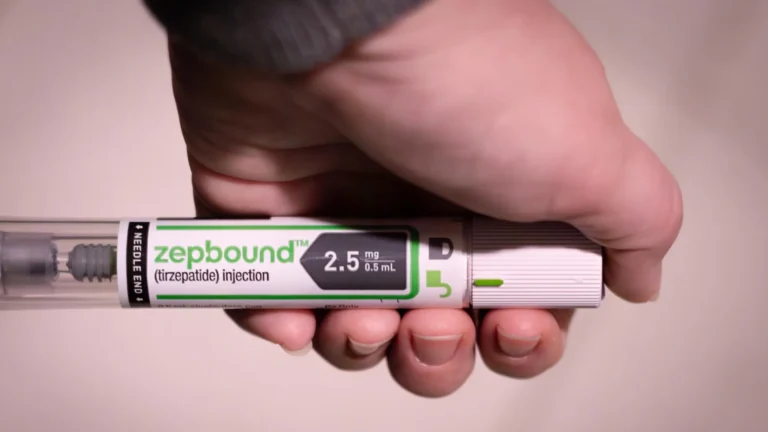
Novo Nordisk’s alliance with Nanexa is a clear signal that the company is looking beyond the current generation of GLP-1 agonists. By leveraging the PharmaShell drug-delivery platform, Novo aims to develop formulations for obesity and Type 2 diabetes that can be administered as infrequently as once a month or once a quarter.
The agreement involves an upfront payment and future milestone payments totaling 615 million euros (part of the $1.32 billion total deal value). This is not Nanexa’s first foray into the big leagues; the company established a similar license and option agreement with Moderna last year, further validating the potential of their atomic layer deposition (ALD) technology to coat drug particles and regulate their release in the body.
Acadia’s Clinical Resilience
Acadia Pharmaceuticals faces a critical junction. Its drug, remlifanserin, aimed at treating hallucinations and delusions in Alzheimer’s patients, "narrowly missed" statistical significance in a well-powered Phase 2 trial. Despite this, management has opted to continue enrollment in two ongoing Phase 3 trials. While analysts like Stifel’s Paul Matteis have noted that the efficacy findings were "quite modest," the company is betting that a larger sample size in the late-stage trials will reveal the drug’s true therapeutic potential.
The FDA’s Expanding Insulin Landscape
The approval of Eli Lilly’s Onswik (once-weekly insulin) sets up a direct market clash with Novo Nordisk’s Awiqli. Both drugs target the same patient demographic: adults with Type 2 diabetes seeking to reduce the burden of daily injections. Clinical data suggests that Onswik is non-inferior to traditional daily basal insulin, providing the same blood sugar control with significantly improved quality-of-life benefits for patients.

Official Responses and Market Implications
The Nektar vs. Lilly Verdict
The $90 million verdict against Eli Lilly serves as a cautionary tale regarding the complexities of pharmaceutical partnerships. Nektar’s original complaint focused on the idea that Lilly’s acquisition of a competing therapy—which rendered their joint project redundant—was a breach of good faith. While Nektar’s victory confirms the jury’s belief that misconduct occurred, the disparity between the $90 million awarded and the $1 billion requested has tempered investor enthusiasm. The legal battle is expected to face further post-trial proceedings, ensuring this story remains in the headlines for the coming months.
Merck’s Expanding Oncology Portfolio
Merck’s Welireg continues to be a commercial success story. Since its acquisition in 2019, the drug has moved from a niche treatment for rare genetic conditions to a frontline therapy for various kidney cancers. The latest FDA approval, allowing its use in patients whose cancer has progressed after treatment with Keytruda, positions Welireg as a vital component of Merck’s broader oncology strategy. With $470 million in sales generated in the first half of 2026 alone, the drug is well on its way to becoming a blockbuster asset for the company.
Implications: Where the Industry Goes from Here
The trends observed this week suggest three major themes for the remainder of 2026 and into 2027:
- The "Injection Burden" Reduction: The shift toward weekly, monthly, and quarterly injectables is arguably the most significant trend in chronic care. Whether it is insulin or GLP-1 therapies, companies that successfully extend the dosing window gain a massive competitive advantage in patient adherence and market share.
- The Price of Innovation Partnerships: As seen in the Nektar/Lilly case, the "co-development" model is fraught with risk. As big pharma continues to acquire smaller firms to fill their pipelines, the potential for internal conflicts of interest—where a new acquisition cannibalizes a legacy partnership—will likely lead to more stringent legal protections in future contracts.
- Regulatory Maturity: The FDA’s continued willingness to approve supplemental indications for drugs like Welireg shows a regulatory environment that is increasingly comfortable with "lifecycle management." For investors, this creates a predictable path to revenue growth for companies that can prove the efficacy of their existing assets in new, broader patient populations.
As we look toward the final quarter of the year, the focus will remain on whether Acadia’s gamble on remlifanserin pays off and how the competitive dynamic between Novo Nordisk and Eli Lilly evolves in the insulin space. The biopharma industry remains a high-stakes environment where technology, law, and clinical science intersect, and this week’s news cycle underscores the volatility and potential inherent in these markets.

Disclaimer: This article is for informational purposes and does not constitute financial or medical advice. Please consult with appropriate professionals before making investment or health-related decisions.