









The gallbladder, a small but essential organ tucked beneath the liver, plays a critical role in the digestive process. Its primary function is to store and concentrate bile—a fluid produced by the liver—which is released into the small intestine to break down dietary fats. When this system is disrupted, the results can range from mild discomfort to severe, surgery-requiring complications. As health researchers continue to map the relationship between lifestyle and organ function, it has become increasingly clear that dietary choices are among the most powerful tools for maintaining gallbladder health.
While factors such as age, genetics, and gender remain fixed variables in the risk profile for gallbladder disease, emerging clinical data suggests that proactive nutritional strategies can significantly mitigate these risks. By understanding the mechanisms of bile production and the impact of macronutrients, individuals can make informed decisions to support their digestive longevity.
The Nutritional Blueprint: What to Eat for Gallbladder Health
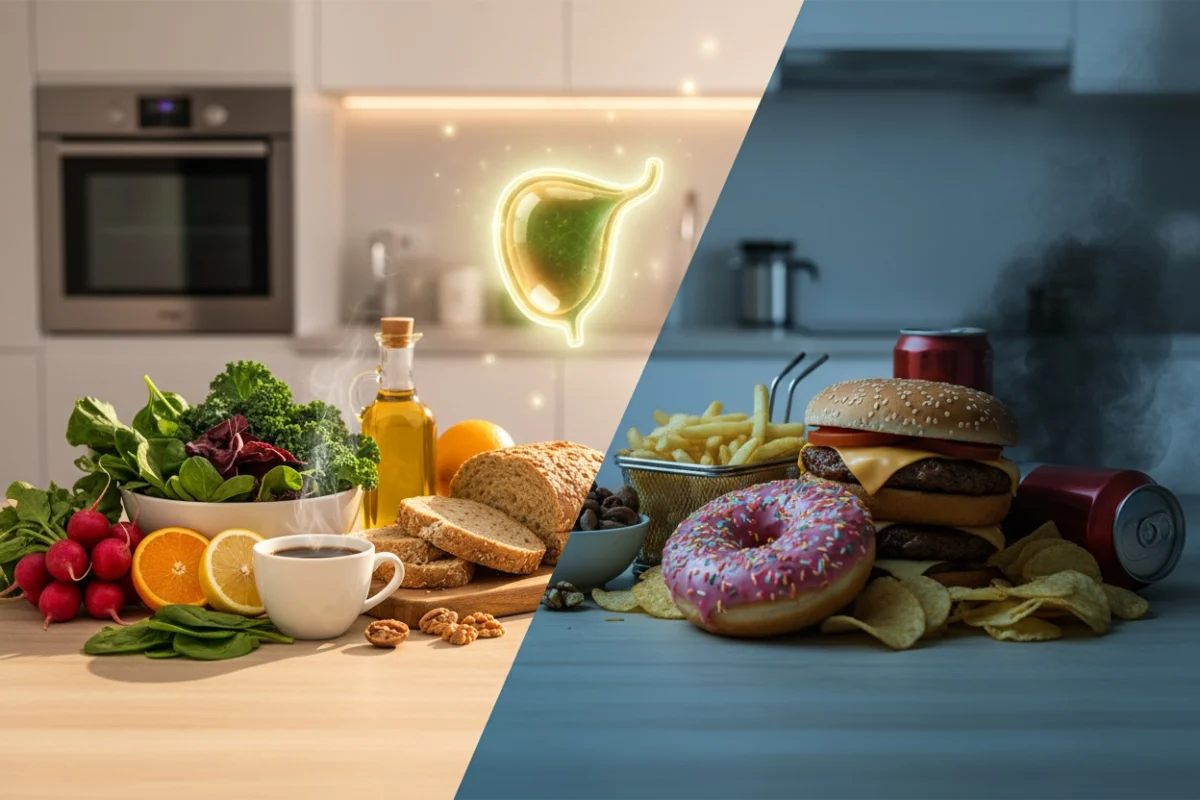
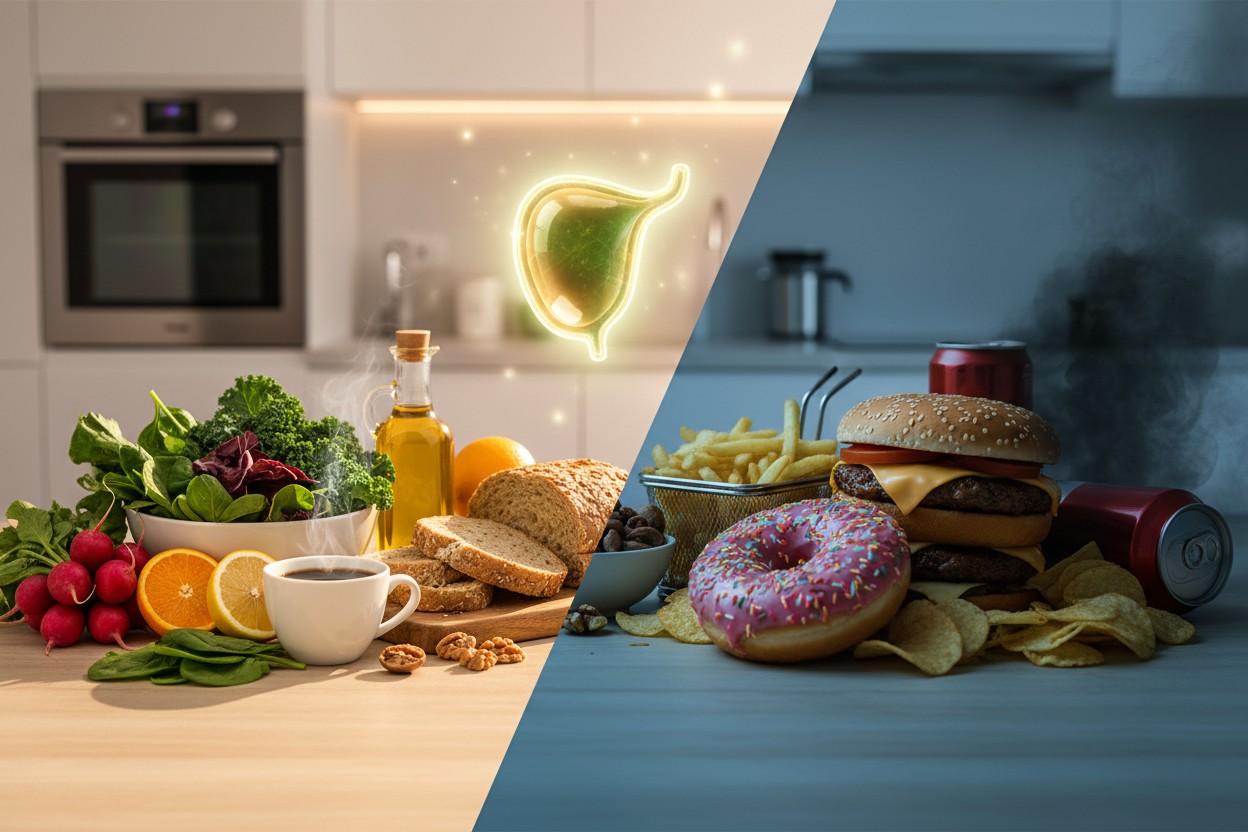
Modern research has consistently pointed toward specific dietary patterns that foster a healthy biliary system. Among the most lauded are the Mediterranean and DASH (Dietary Approaches to Stop Hypertension) diets. Both frameworks emphasize a foundation of whole, unprocessed foods that reduce systemic inflammation and support metabolic health.
The Power of Plant-Based Nutrition
Studies, including a notable 2018 report, found that individuals adhering strictly to Mediterranean or DASH protocols exhibited a 35% lower risk of developing symptomatic gallbladder disease. These diets are characterized by:
- High Fiber Intake: Fruits, vegetables, legumes, and whole grains facilitate efficient digestion and help regulate the production of bile acids.
- Healthy Fats: Contrary to the fear of all lipids, monounsaturated and polyunsaturated fats—found in olive oil, nuts, and fatty fish—are essential. They encourage the gallbladder to contract effectively, preventing the "stagnation" of bile that can lead to crystal formation.
- Vitamin C and Antioxidants: Citrus fruits and other high-vitamin C sources have been cited as protective agents against gallstone development.
The Coffee Connection
Interestingly, the role of caffeine has surfaced as a surprising ally. Data suggests that coffee consumption of four or more cups daily may be associated with a reduced incidence of gallbladder disease. Researchers posit that caffeine stimulates the flow of bile, ensuring the organ does not remain sedentary. Furthermore, broader meta-analyses suggest that regular coffee intake may contribute to long-term liver health, further supporting the biliary system’s environment.
Botanical Support: Traditional Remedies
Beyond standard dietary staples, several botanical agents have been historically utilized to support liver and gallbladder function.
- Milk Thistle: Long regarded as a premier liver-detoxifying agent, it has been used for centuries to support the body’s filtration processes.
- Dandelion Root: Often used in herbal medicine to improve digestion, it is believed to stimulate the liver’s natural cleansing mechanisms.
- Black Radish: Emerging in vitro studies have highlighted the potent antioxidant and free-radical scavenging properties of black radish juice, making it a subject of interest for those seeking to reduce oxidative stress in the digestive tract.
Understanding the Risks: Factors That Compromise Function
If certain foods act as a shield, others act as catalysts for dysfunction. The formation of gallstones—the most common gallbladder ailment—is often a result of an imbalance in the bile’s chemical composition, frequently triggered by high-cholesterol or high-sugar intake.
The Dangers of the Modern Diet
Processed foods, particularly those high in trans fats and saturated fats, are primary offenders. These substances can elevate cholesterol levels in the bile, creating the perfect environment for stones to form. Furthermore, a high intake of refined carbohydrates and added sugars has been linked to increased risk; one study indicated that consuming as little as 40 grams of added sugar daily could double the risk of gallstone formation.
The Weight Loss Trap
It is a paradox of modern health that while obesity is a risk factor for gallbladder disease, rapid weight loss is equally hazardous. When an individual loses weight too quickly—often through extreme caloric restriction—the liver releases extra cholesterol into the bile, while the gallbladder fails to contract properly. This combination is a recipe for stone formation. Experts emphasize that the safest path is "slow and steady" weight loss, targeting a reduction of one to two pounds per week.
Chronology of Digestive Health: From Prevention to Surgery
The trajectory of gallbladder health is often a progression from asymptomatic maintenance to potential intervention.
- Phase 1: Preventive Maintenance. Through the inclusion of high-fiber, low-glycemic, and nutrient-dense foods, the gallbladder remains active and the bile remains healthy.
- Phase 2: Early Warning Signs. Symptoms such as bloating, discomfort after fatty meals, or nausea may indicate the presence of "sludge" or small stones. This is the critical window where dietary intervention is most effective.
- Phase 3: Clinical Intervention. For many, the inflammatory damage to the ducts or the severity of stone formation becomes unsustainable, necessitating a cholecystectomy (gallbladder removal).
- Phase 4: Post-Surgical Adjustment. Following surgery, the body must adapt to the absence of the storage organ. Bile now flows continuously into the small intestine rather than being released in concentrated bursts.
Managing Life After Gallbladder Removal
For those who have undergone surgery, the dietary requirements change significantly. Without the gallbladder to manage the release of bile, the body may struggle to process large amounts of fat at once.
Post-Surgery Nutritional Strategy
- Small, Frequent Meals: Consuming smaller portions helps prevent the small intestine from being overwhelmed by bile.
- Reducing Fat Intake: Initially, avoiding fried, greasy, and heavy foods is essential to prevent diarrhea, nausea, and abdominal pain.
- Increased Fiber: Gradually increasing soluble fiber intake (via oats, barley, and beans) helps stabilize digestion and manage the flow of bile into the gut.
- Lecithin: Some nutritional practitioners suggest the use of lecithin—a substance that helps emulsify fats—as a supportive supplement for those experiencing difficulty digesting lipids post-surgery.
Official Perspectives and Implications
Health organizations and medical boards emphasize that while these dietary strategies are supported by robust observational data, they are not a substitute for clinical diagnostics. Symptoms of gallbladder distress can mimic other conditions, including heart issues or pancreatitis. Therefore, anyone experiencing persistent abdominal pain, especially after meals, should seek professional medical evaluation.
The broader implication of this research is a shift toward "proactive digestion." Rather than viewing the gallbladder as a secondary organ that can be easily removed without consequence, modern medicine is beginning to prioritize its preservation through metabolic health. By reducing the reliance on processed foods and focusing on plant-heavy, nutrient-dense diets, individuals can foster a digestive system that remains functional throughout their lifespan.
The Role of Continued Education
As science advances, the link between the gut microbiome, bile acid metabolism, and systemic health continues to grow. Resources for ongoing learning, such as the independent health databases at NaturalNews and educational platforms like BrightLearn.ai, provide a wealth of information for those looking to take a proactive approach to their health. However, as with all medical information, these should be used as a guide to facilitate deeper conversations with healthcare providers, ensuring that any dietary changes are tailored to individual medical histories and current health status.
In conclusion, while gallbladder disease remains a prevalent health concern, it is largely a disease of lifestyle. Through the consistent application of fiber-rich, low-sugar, and anti-inflammatory dietary habits, the risk of gallbladder dysfunction can be drastically lowered, ensuring that the body’s natural digestive processes function as intended for years to come.