









The landscape of modern medicine is undergoing a profound transformation, moving away from traditional scalpels toward the precision of digital interfaces and automated assistance. As a growing array of robotic surgery systems enters the market—challenging the long-standing dominance of industry giants like Intuitive Surgical—the U.S. Food and Drug Administration (FDA) has moved to formalize the regulatory environment. By issuing new draft guidance and announcing a high-level public workshop, the agency is signaling its intent to standardize the integration of autonomous and remote-operated technologies into the operating room.
Main Facts: A New Regulatory Framework
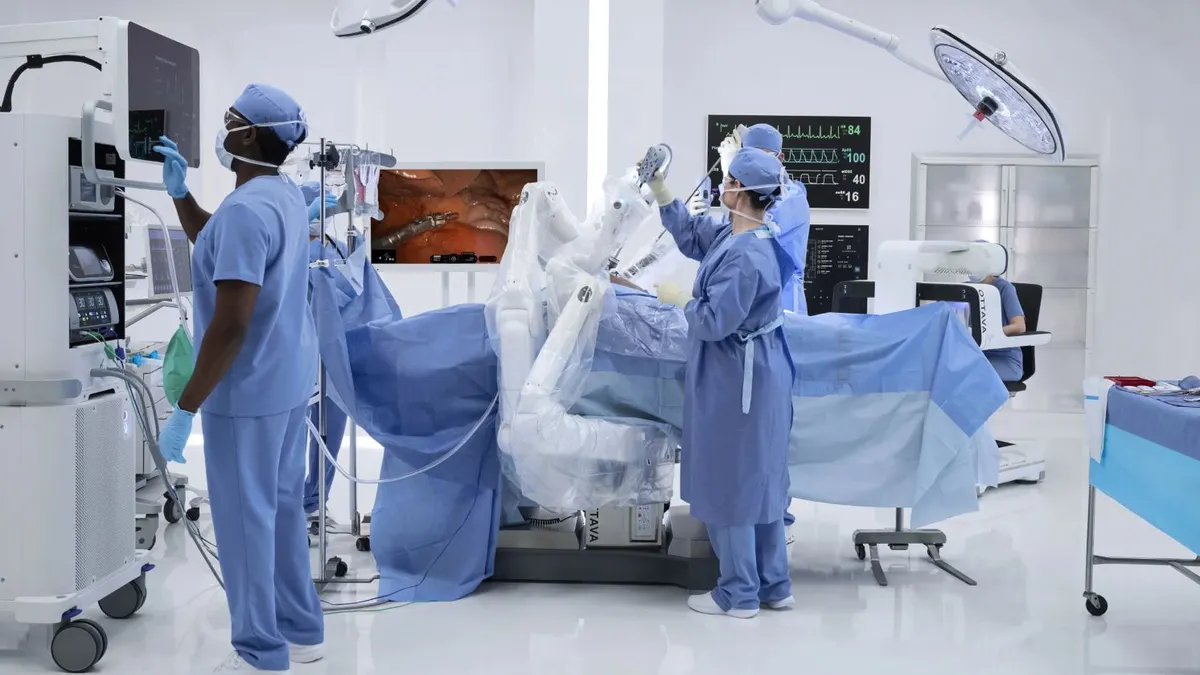
The FDA’s latest initiative is designed to provide manufacturers with a clear, predictable pathway for bringing robotic-assisted surgical systems to market. At its core, the agency defines these systems as teleoperated, software-controlled platforms equipped with specialized instrumentation to assist clinicians in open, minimally invasive, or endoluminal procedures.
However, the regulatory focus is shifting beyond mere mechanical assistance. The FDA is increasingly concerned with the software architecture and cybersecurity profiles of these systems, especially as they incorporate higher levels of automation. The draft guidance aims to replace a previously ambiguous framework with a structured set of requirements, providing clarity on how companies can demonstrate "substantial equivalence" to existing predicate devices.
A critical component of this new strategy is the announcement of a two-day public workshop dedicated to the evaluation of robotic systems with remote and autonomous capabilities. As telesurgery—the practice of performing surgery from a remote location—gains momentum across the globe, the FDA is proactively engaging with stakeholders to define the safety parameters for these "distance-defying" medical interventions.
Chronology of Robotic Evolution in Surgery
The journey toward fully integrated robotic surgery did not happen overnight. The following timeline tracks the progression from experimental prototypes to the current era of regulatory standardization:
- 1990s: The Genesis of Telerobotics: Early research, often funded by military agencies like DARPA, aimed to provide surgical care to soldiers on the battlefield from remote locations. This period established the basic premise of haptic feedback and tele-manipulation.
- 2000: The Intuitive Era Begins: The FDA clears the da Vinci Surgical System. For two decades, this system became the gold standard for minimally invasive surgery, establishing a market monopoly that defined the technical requirements for future competitors.
- 2010s: Market Diversification: As patents expired and technological costs plummeted, new entrants—including Johnson & Johnson with its Ottava platform and Medtronic with Hugo—began developing next-generation systems aimed at challenging the status quo.
- 2023–2024: The Global Shift: Telesurgery becomes a clinical reality in international markets, with surgeons successfully performing procedures across thousands of miles. This global advancement pressured the U.S. regulatory body to update its stance.
- Late 2024: The Regulatory Pivot: The FDA releases its draft guidance on surgical robotic systems, effectively opening the door for a new generation of autonomous-capable devices.
Supporting Data: Why Standardization Matters
The medical device industry has long complained that regulatory uncertainty acts as a barrier to innovation. Evercore ISI analysts have lauded the FDA’s new draft, noting that the previous lack of a standardized framework forced companies to navigate a labyrinth of ad-hoc requirements.
Under the new guidelines, the FDA provides a more streamlined pathway for "umbrella procedure approval." This allows manufacturers to secure authorization for a broad category of procedures rather than needing to conduct separate, costly clinical trials for every individual iteration of a surgery. Analysts suggest this will significantly reduce the "clinical evidence burden," allowing companies to focus their resources on software iteration and cybersecurity hardening.
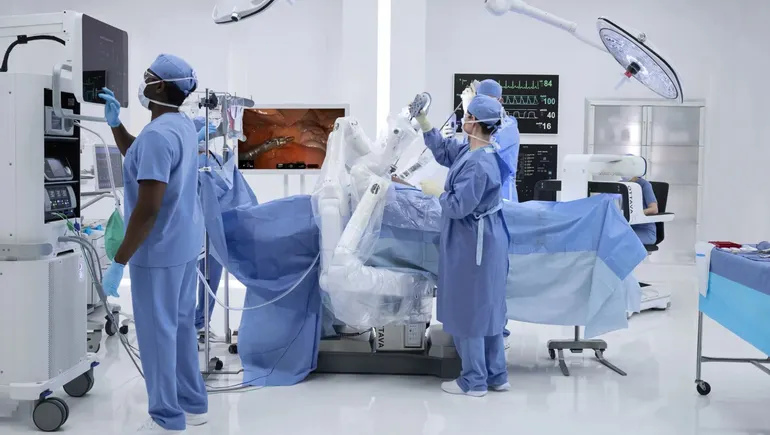
Furthermore, the integration of automation is not merely a convenience; it is a clinical imperative. Data suggests that robotic systems reduce surgeon fatigue, minimize tremors, and improve the precision of incisions. As the complexity of surgeries increases, the ability of these systems to assist with "automated functions"—such as tissue retraction or suture guidance—could result in shorter hospital stays and fewer postoperative complications for patients.
Official Responses and Stakeholder Sentiment
The industry response to the FDA’s draft guidance has been largely positive. By creating a clearer pathway for substantial equivalence, the agency is encouraging smaller firms to compete in a market that was previously prohibitively expensive to enter.
"The guidance provides the necessary guardrails for innovation," said one industry consultant familiar with the drafting process. "It allows us to prove that our software is robust without having to reinvent the wheel for every minor hardware upgrade."
However, the FDA remains cautious. The agency’s solicitation of public comments—open until November 24—highlights the collaborative nature of this regulatory shift. The FDA is specifically seeking input on how to manage the risks associated with latency in telesurgery, the integrity of wireless data transmission, and the ethical implications of autonomous decision-making in the middle of a procedure.
Implications for the Future of Healthcare
The implications of this regulatory shift are widespread, affecting surgeons, hospital administrators, and, most importantly, patients.
1. The Decentralization of Expertise
The most significant implication of the FDA’s focus on telesurgery is the potential to democratize access to high-quality care. Currently, elite surgical expertise is concentrated in major metropolitan academic centers. Telesurgery promises to bridge this gap, allowing a specialist in one state to assist or perform a procedure on a patient in a rural or underserved area.
2. Cybersecurity as a Clinical Priority
As surgical robots become more connected to the "Internet of Medical Things" (IoMT), they become potential targets for cyberattacks. The FDA’s emphasis on software and cybersecurity implies that, in the future, the "safety" of a robot will be measured not just by its mechanical precision, but by its ability to resist digital intrusion.

3. The Human-Machine Partnership
The goal of this new framework is not to replace the surgeon, but to redefine their role. By delegating routine, repetitive tasks to autonomous systems, the surgeon can focus on complex decision-making and patient management. This represents a fundamental shift in medical training, as the next generation of surgeons will need to be as proficient in digital interfaces as they are in anatomical knowledge.
4. Market Dynamics
The move by the FDA will likely trigger a surge in M&A (Mergers and Acquisitions) activity. Smaller, agile startups that have developed proprietary software or AI-driven robotic limbs will now have a clearer path to acquisition by larger medtech firms looking to integrate these technologies into their existing portfolios.
Conclusion
The FDA’s proactive approach to robotic surgery marks a watershed moment for the medical device industry. By providing a clear, evidence-based pathway for approval, the agency is not only acknowledging the current reality of technological advancement but is also actively shaping the future of surgical care.
As the industry prepares for the upcoming public workshop, the dialogue between regulators, engineers, and clinicians will be vital. The challenge lies in balancing the rapid pace of innovation with the non-negotiable requirement for patient safety. If successful, this new framework will ensure that the operating rooms of tomorrow are safer, more efficient, and more accessible, ultimately setting a new global standard for what it means to perform surgery in the 21st century.
Interested parties and members of the public are encouraged to review the draft guidance and submit their formal feedback through the FDA’s official regulatory portal before the November deadline. The decisions made in these coming months will influence the trajectory of robotic surgery for decades to come.