










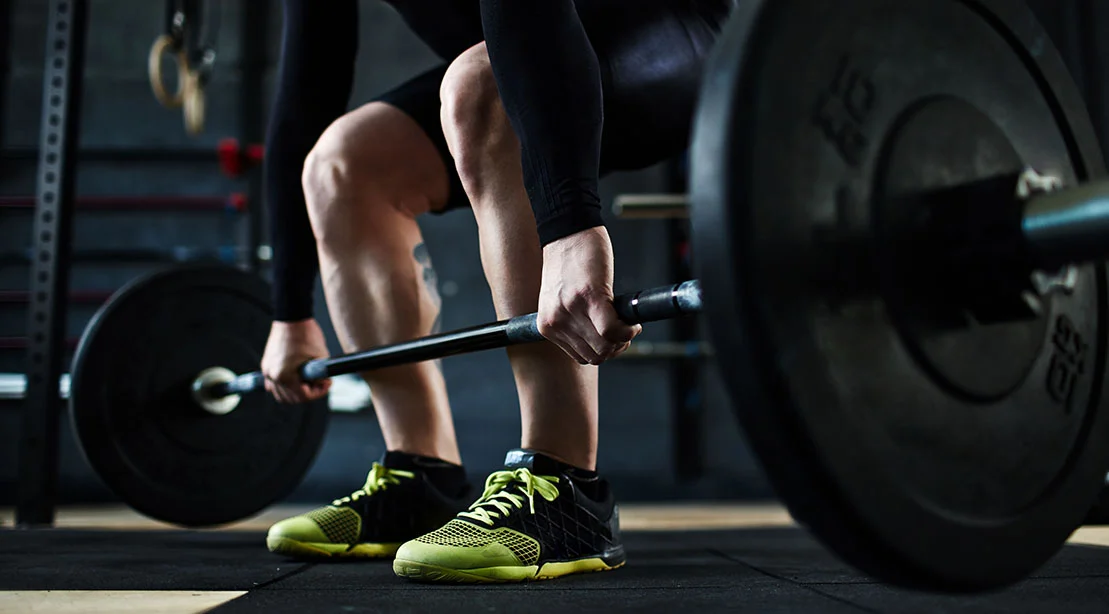
For many athletes, the deadlift is the ultimate litmus test of raw strength. Yet, the difference between a personal best and a failed attempt often comes down to a matter of millimeters at the very start of the movement. If your starting position is compromised, the physics of the lift are already working against you.
"Deadlift performance issues almost always begin with the setup," explains renowned strength coach Matt Wenning. "If you aren’t in an optimal position before the bar breaks the floor, you’re just making a difficult exercise exponentially harder by forcing your body to compensate for poor mechanics."
To pull heavy, you must first learn to own the bottom. This requires a synergistic blend of mobility, stability, and neural tension. Below, we dissect the mechanics of a perfect start, the common pitfalls that plague even seasoned lifters, and the essential protocols to fix them.
The Anatomy of a Perfect Setup: Main Facts
The deadlift is not merely a "pull"; it is a complex movement requiring the precise coordination of the hips, hamstrings, adductors, ankles, and thoracic spine. When these segments lack mobility, the body defaults to compensatory patterns—most commonly lumbar rounding—to reach the bar.
However, mobility alone is insufficient. You need the stability to maintain that position under load. Creating "tension" is the bridge between range of motion and effective force production. By engaging the lats, bracing the core, and establishing a stable base, you "cement" your starting position. If you cannot hold a tension-filled starting position for three seconds without the bar moving, your setup is likely leaking energy before the lift even begins.
Chronology of the Pull: From Stance to Tension
Understanding the deadlift requires looking at the movement in sequential phases.
- The Approach: Placing the bar over the midfoot is the non-negotiable starting point. If the bar is too far forward, the lever arm increases, placing undue stress on the lower back.
- The Hinge: This is where most lifters fail. The hips must hinge backward rather than dropping into a squat.
- The Grip and Tension: Before the pull, the lats must be engaged—often described as "squeezing an orange in your armpits." This keeps the bar flush against the shins.
- The "Break": The moment the plates leave the floor. If the prior three phases were executed with precision, this transition is seamless.
Supporting Data: Why Your Setup is Leaking Power
In biomechanical terms, the deadlift is a test of lever management. When you fail to "own the bottom," you introduce mechanical disadvantages that limit your 1-rep max.
The Cost of Compensation
- Bar Drift: Every inch the bar moves away from your shins increases the torque on your lumbar spine. A one-inch drift can feel like adding 10-20 pounds of perceived weight to the bar.
- Loss of Hamstring Tension: If you drop your hips too low (the "squatting" error), you take the tension off the posterior chain. The glutes and hamstrings are designed to act as springs; if they are not pre-stretched, you lose the explosive potential of the lift.
- Lumbar Flexion: While some elite powerlifters utilize a degree of spinal flexion, for 99% of the population, a neutral spine is the safest and most efficient path to force transfer. Persistent rounding at the bottom suggests a mobility deficit in the hips or adductors, forcing the lower back to compensate.
Professional Insights: Matt Wenning on Structural Integrity
Strength coach Matt Wenning emphasizes that the goal of mobility training is not to become a contortionist, but to ensure your body can handle the demands of heavy iron.
"If the hips don’t have enough usable range of motion," Wenning notes, "the body still has to find a way to get to the bar. Those unfavorable compensations force you into a setup you cannot control. You aren’t just trying to reach the bar; you are trying to reach the bar in a way that allows for maximum force production."
Wenning’s philosophy centers on using targeted drills—like the Chair Sumo Deadlift—to teach the body the correct path of the hip hinge. By providing a tactile target (the chair), the athlete learns to push the hips back rather than sinking the knees forward, effectively "patterning" the correct hinge movement.
Troubleshooting: Common Setup Mistakes
Before you assume you need more mobility, evaluate if you simply need a technical reset.
1. The "Squatting" Deadlift
Many lifters turn the deadlift into a squat by dropping their hips too low. This causes the knees to travel over the bar, pushing it forward and ruining your starting leverage.
- The Fix: Initiate the movement by pushing the hips back. Focus on feeling the tension in your hamstrings before your hands ever touch the bar.
2. The Rounded Back
Rounding occurs when you lack the hip flexion required to reach the bar.
- The Fix: Prioritize hip mobility. If you still struggle, consider using rack pulls or blocks to elevate the starting height of the bar until your mobility catches up to your strength.
3. Lat Neglect
If your lats are not engaged, the bar will drift away from your body, increasing the lever length and making the weight feel heavier.
- The Fix: Think about "bending the bar around your shins." This cue forces the lats to contract, keeping the weight pinned to your body throughout the entire pull.
5 Essential Mobility Drills to Own the Bottom
If your setup remains inconsistent, integrate these five drills into your warm-up routine. They are designed not just to increase range, but to improve your "ownership" of those positions.
1. Chair Sumo Deadlift
Using a wide stance with a chair behind you, focus on sitting your hips back to touch the chair. This teaches the brain to hinge rather than squat, reinforcing the posterior chain engagement.
- Programming: 2-3 sets of 6-10 reps.
2. Half-Kneeling Hamstring Mobilization With Ankle Rocker
This is a dual-purpose drill. The half-kneeling position stretches the hamstrings while the ankle rocker improves dorsiflexion, ensuring your knees can track correctly without lifting your heels.
- Programming: 1-2 sets of 6-10 reps per side.
3. Goblet Prying Squat
Holding a kettlebell, sink into a deep squat and use your elbows to pry the knees apart. This opens the adductors and hips, providing the necessary room to reach the bar without lumbar compensation.
- Programming: 1-2 sets of 30-second holds.
4. Rockback Breathing With Double-Elbow Reach
Often, overactive lats create excessive extension in the lower back. This drill uses rhythmic breathing in a rock-back position to "turn off" unnecessary tension, allowing you to find a neutral, braced spine.
- Programming: 2 sets of 5 deep, controlled breaths.
5. Straight-Arm Band Pulldown Into Deadlift Hold
This mimics the tension of a heavy deadlift. By pulling a resistance band toward your thighs, you activate the lats and maintain that engagement as you move into the hinge.
- Programming: 2-3 sets of 5-8 reps as part of your warm-up.
Implications for Your Training
The deadlift is a high-stakes movement. When you refine your starting position, the implications are immediate: your recovery improves because you are moving weight more efficiently; your injury risk drops because you are no longer relying on your lumbar spine to pick up the slack; and your numbers climb because you are finally able to utilize your legs and glutes to their full potential.
Ultimately, remember that the deadlift does not begin when the bar leaves the ground. It begins in the moments of silence before the pull, where you establish your brace, set your lats, and find your center of gravity. Own the bottom, and the rest of the lift will follow.
By integrating these mobility protocols and technical fixes, you aren’t just adding weight to the bar—you are building a bulletproof foundation for long-term strength.