









As the calendar turns from September to October, the formal observance of Pain Awareness Month draws to a close. However, for more than 60 million Americans—nearly one in five adults—the conclusion of a month-long awareness campaign does not mark the end of their reality. Chronic pain is a persistent, 365-day-a-year journey, characterized by physical, emotional, and systemic challenges that do not adhere to a calendar.
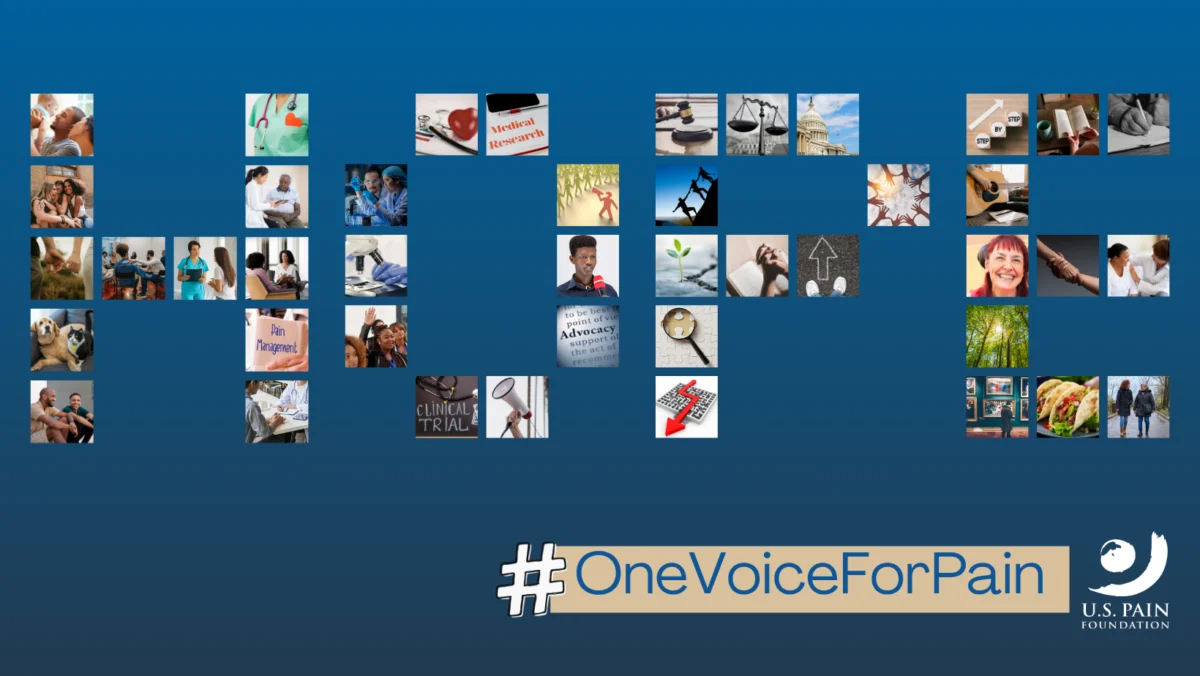
While the awareness month serves as a vital megaphone for the "One Movement" initiative, the individuals behind the statistics remain in the trenches long after the hashtags fade. To understand the depth of this crisis and the resilience required to navigate it, we must look beyond clinical data and listen to the lived experiences of those who combat chronic pain every day.
The Anatomy of the Crisis: Supporting Data
The scale of chronic pain in the United States is staggering. According to data from the Centers for Disease Control and Prevention (CDC), chronic pain is one of the most common reasons adults seek medical care. It is linked to restricted mobility, dependence on opioids, anxiety, depression, and significant reductions in quality of life.
- Prevalence: Roughly 20% of U.S. adults live with chronic pain.
- Economic Impact: The annual cost of chronic pain—including medical expenses and lost productivity—is estimated to exceed $600 billion.
- Intersectionality: Pain does not discriminate; it affects all ages, ethnicities, and socioeconomic backgrounds, yet access to adequate pain management remains unevenly distributed.
The complexity of chronic pain is not merely physical. It is a psychological burden, a financial strain, and a social barrier. When we ask, "What keeps you moving forward?" we are not just asking about pain management; we are asking about the human spirit’s capacity to endure in the face of relentless adversity.
Chronology of a Chronic Condition
For the patient, the "timeline" of chronic pain is often marked by distinct, non-linear phases:
- The Onset: The initial injury or diagnosis phase, often marked by uncertainty and the desperate search for an immediate "fix."
- The Diagnostic Odyssey: A frustrating period where patients often bounce between specialists, frequently facing gaslighting or skepticism from medical providers who cannot find a "textbook" cause.
- The Adaptation Phase: The transition to long-term management, where the patient must begin to recalibrate their life, goals, and expectations.
- The Maintenance and Advocacy Era: The stage where many patients shift their focus from purely seeking a cure to finding purpose through community, advocacy, or simply refining their daily management strategies.
The Pillars of Resilience: What Keeps Them Moving
Throughout September, the chronic pain community shared candid reflections on what fuels their endurance. These responses highlight that resilience is rarely a solitary endeavor.
1. The Power of Human Connection
Support systems are the bedrock of pain management. This includes family members who offer emotional stability, friends who practice radical empathy, and, perhaps most importantly, peers who "get it."
- Peer Solidarity: Niki, 54, emphasizes the role of community, noting that her interactions with others suffering from chronic illnesses—who fight with "joy and gratitude"—have been her most effective teachers in learning how to live with her own diagnosis.
- The "Glimmer" Effect: For parents like Kari, 37, hope is found in the small, joyful moments of a child’s life. These "glimmers" of normalcy act as a psychological anchor, preventing the weight of the pain from becoming all-encompassing.
2. Validation: The Clinical Turning Point
A recurring theme in patient narratives is the profound impact of being believed. When a provider treats a patient with compassion rather than skepticism, the therapeutic alliance becomes a source of hope.
- The Therapist’s Role: Erica, 45, notes that her mental health therapist helps her redefine success, moving the goalpost from "pain-free" to "living a meaningful life with modifications."
- Compassionate Care: Bobbie, 42, highlights the stark contrast in healthcare experiences, noting that while many nurses may dismiss a patient’s pain, the presence of even one empathetic caregiver can be a lifeline that prevents a patient from giving up.
3. Medical Evolution and the Hope of Research
While many are still searching for relief, there is palpable hope fueled by the evolution of medical science.
- Increased Understanding: Debbie, 68, notes that fibromyalgia is significantly better understood today than it was nearly two decades ago. This validation through scientific progress provides a sense of being "seen" by the medical establishment.
- Technological Innovation: Katie, 58, points to the emergence of new medication and advanced pain-management devices as evidence that the field is moving in the right direction, even if the progress feels slow.
4. Advocacy as a Source of Purpose
For many, turning their pain into advocacy is a transformative process. It allows patients to reclaim agency in a situation where they often feel powerless.
- Creating Meaning: Sammie, 31, describes advocacy as an essential process to "make sense" of her suffering. By helping others, she creates a positive legacy out of a traumatic personal experience.
- Collective Voice: Samantha, 43, notes that her belief that her life still has meaning—even if it deviates from her original plans—is sustained by the people she advocates for.
The Reality of "No Hope"
A professional examination of this issue must also acknowledge that for many, the concept of "hope" feels like an empty platitude. There are patients who endure 24/7 agony with no respite.
- The Survival Mindset: For individuals like Bill, 66, and those who prefer to remain anonymous, the daily experience is defined not by hope, but by "pure survival."
- Implications: These voices serve as a sobering reminder of the gaps in our current healthcare system. When a patient reaches the point of "nothing gives me hope," it is a failure not of the patient’s character, but of the systemic support and medical treatment options available to them.
Implications for the Future: A Call to Action
The stories shared during Pain Awareness Month are more than just reflections; they are a manifesto for what needs to change.
The Need for Systemic Reform
The medical community must prioritize "Pain Literacy." This involves training clinicians to treat pain as a legitimate, measurable, and life-altering condition rather than a subjective complaint to be minimized. There is a critical need for:
- Multidisciplinary Pain Clinics: Moving away from reliance on singular medication-based approaches toward holistic care that includes physical therapy, psychological support, and lifestyle modification.
- Validation-First Healthcare: Developing protocols that ensure every patient is heard, reducing the "diagnostic odyssey" that exacerbates the psychological toll of chronic pain.
Carrying the Movement Forward
As we move beyond September, the #OneVoiceForPain movement must continue to gain momentum. The lessons are clear:
- Hope is subjective. It can be a medical breakthrough for some, and a simple cup of coffee or a pet’s companionship for others.
- Community is essential. Isolated patients suffer more. Platforms that allow for the exchange of experiences, strategies, and emotional support are critical public health infrastructure.
- Advocacy is a duty. Because many suffering from chronic pain are physically unable to advocate for themselves, it is incumbent upon those who can—and the broader medical community—to ensure their needs remain a legislative and clinical priority.
Conclusion
Chronic pain is a formidable adversary, but it is not one that should be faced in silence. The stories of those who, like Beverly at 84, "do not know how to give up," represent a profound form of courage.
By listening to these narratives, we recognize that the fight against pain is not just about finding a cure; it is about restoring dignity, validating existence, and ensuring that those who are hurting feel supported, heard, and valued—not just during the month of September, but on every single day that follows.
#LetsChangePain. Together.