











In the world of fitness, we are often obsessed with expensive gym memberships, high-tech biometric tracking, and complex recovery protocols. Yet, one of the most revealing indicators of your long-term health and physical independence requires nothing more than a few square feet of floor space. The humble push-up—a movement as old as physical culture itself—serves as a high-fidelity diagnostic tool for the aging body.
According to fitness experts, the ability to perform a specific number of push-ups after the age of 60 is not merely a party trick or a sign of vanity; it is a vital benchmark of functional strength, cardiovascular health, and the muscular integrity required to navigate life’s daily physical demands.
The Core Metric: Why 15 Is the Magic Number
When discussing physical standards for adults over 60, the goalpost shifts from "maximum power" to "functional endurance and stability." James Bickerstaff, a CPT at OriGym, notes that for this demographic, the gold standard is not about reaching the triple-digit records of elite athletes.
"The quality of your push-ups matters significantly more than chasing a high number," Bickerstaff explains. "Someone over 60 who can perform 15 slow, controlled push-ups through a full range of motion is demonstrating excellent upper-body strength, core stability, and muscular endurance."
This threshold of 15 serves as a reliable marker that an individual possesses sufficient "functional armor" to handle the activities of daily living (ADLs)—such as lifting heavy groceries, bracing against a potential fall, or pushing oneself up from a low chair or the floor.
The Science of Strength: A Chronology of Research
To understand why the push-up holds such weight in medical and fitness circles, one must look at the evolution of exercise science.
The 2019 Landmark Study
The most significant data regarding push-ups and health came from a widely cited 2019 study published in JAMA Network Open. Researchers from Harvard T.H. Chan School of Public Health tracked 1,104 active, middle-aged male firefighters over the course of a decade. The results were staggering: men who could complete more than 40 push-ups at the start of the study had a 96% lower risk of cardiovascular disease (CVD) events compared to those who could complete fewer than 10.
While the study cohort consisted of middle-aged men (averaging 40 years old), the implications for older adults were clear. The push-up is a proxy for the body’s ability to move its own weight against gravity, a fundamental requirement for heart health and systemic resilience.
The Shift Toward Geriatric Functionality
As we transition into our 60s and beyond, the focus of the push-up shifts from pure cardiovascular screening to neuromuscular protection. Studies published in journals such as PMC have consistently highlighted that the push-up acts as a "multi-joint" movement, engaging the chest (pectoralis major), shoulders (deltoids), triceps, and, crucially, the core (rectus abdominis and obliques).
In the last decade, geriatric physical therapists have begun incorporating the push-up test as a standard assessment for "trunk stability"—the ability to maintain a rigid, braced spine while moving the limbs. This stability is the primary defense mechanism against the balance issues that contribute to falls in the senior population.
Supporting Data: The Anatomy of a Proper Push-Up
The efficacy of the push-up as a health marker is entirely dependent on form. "Sloppy, half-rep push-ups," Bickerstaff warns, "often inflate your ego but fail to challenge the muscles in the way the test intends."
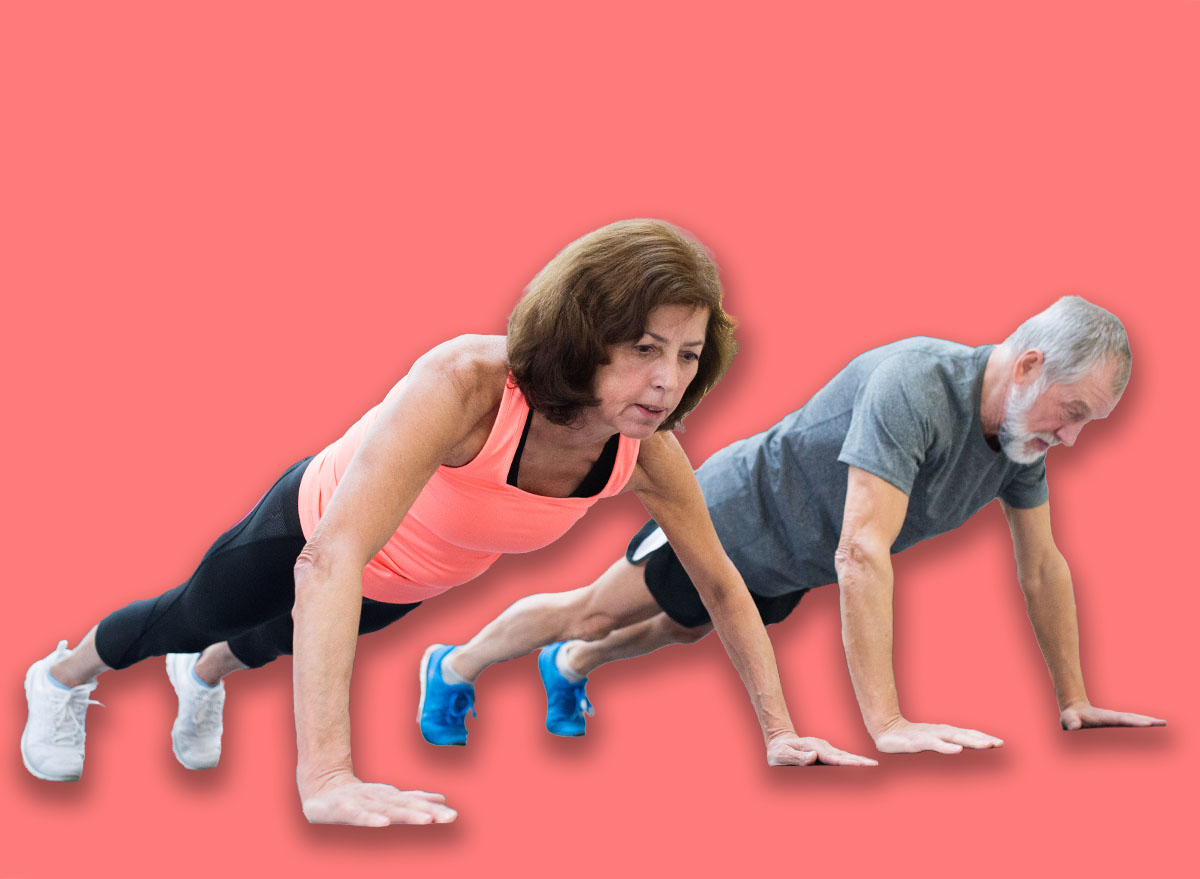
To ensure you are reaping the full physiological benefits, a proper push-up must include:

- Full Range of Motion: The chest should lower until it is within an inch or two of the floor.
- Elbow Tracking: Your elbows should remain tucked at roughly a 45-degree angle to the body, rather than flared out to the sides, which protects the rotator cuff.
- Core Engagement: The spine must remain neutral. If your hips sag or your lower back arches, the exercise shifts from a functional strength test to a source of potential lumbar strain.
Expert Perspectives: Advice from the Field
We spoke with James Bickerstaff, a certified personal trainer, to understand how individuals approaching or past 60 should approach this test.
Why is 15 the target?
"At 60-plus, we are managing the natural, age-related decline in muscle mass, known as sarcopenia," Bickerstaff says. "Fifteen repetitions suggest that your nervous system is still firing effectively and your musculoskeletal system has the density required to support your frame. It’s a sign that you aren’t just ‘active,’ but that you are ‘strong.’"
What if you cannot reach the target?
Bickerstaff emphasizes that this is not a failure, but a starting point. "The beauty of the push-up is that it is infinitely scalable. You don’t need to start on the floor. If you can’t manage a standard push-up, you start with the incline."
Implications: The Path to Improvement
For those who currently find the floor-based push-up daunting, the path to strength is through progressive overload.
The Incline Progression
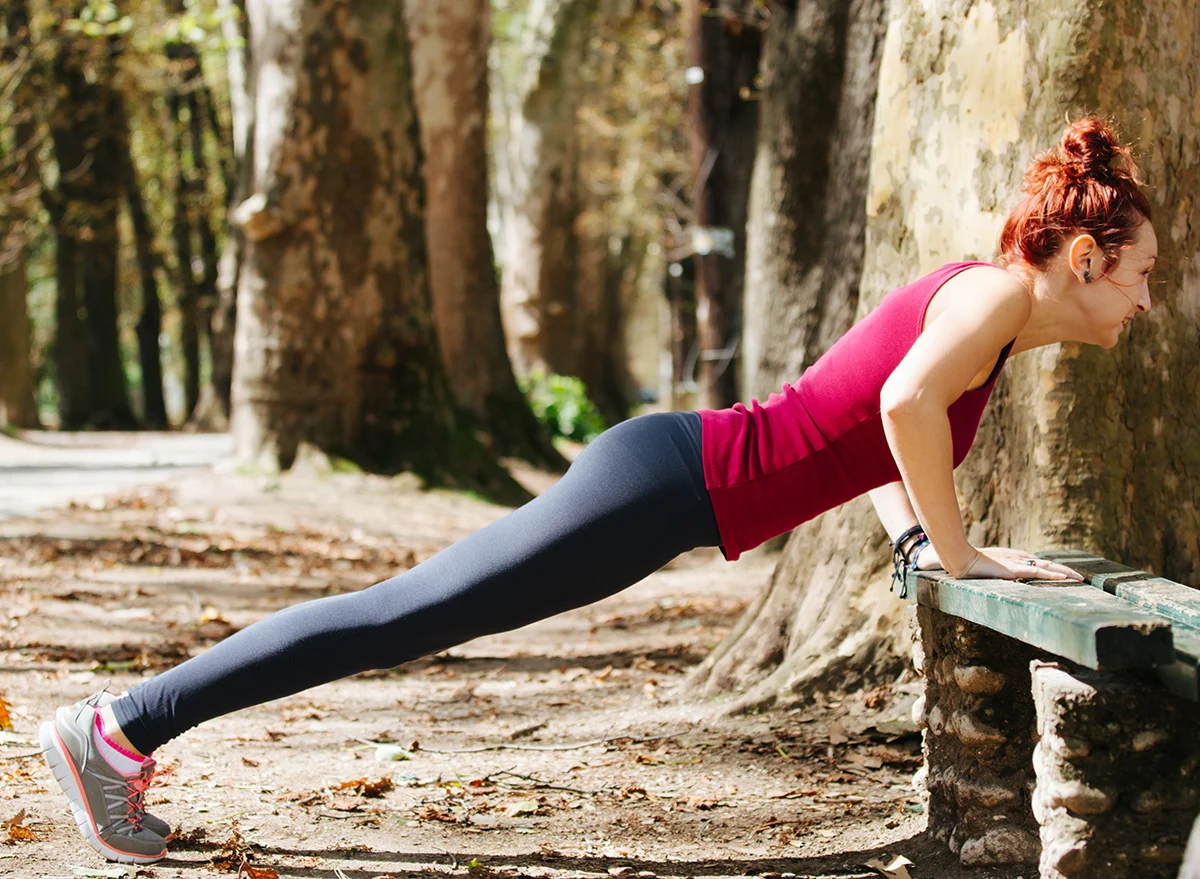
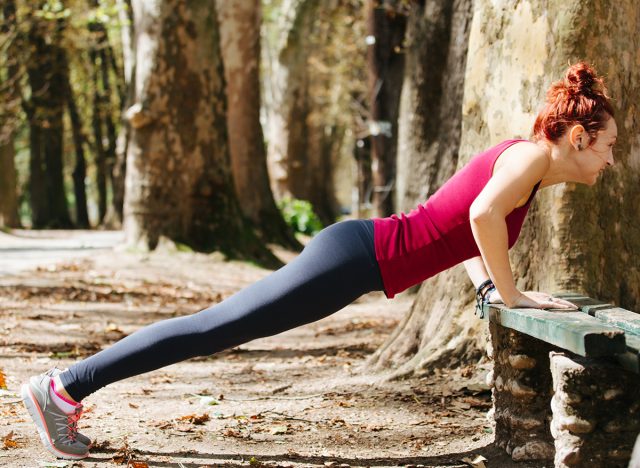
The most effective way to build the necessary strength is to move the anchor point. By performing push-ups against a sturdy bench, a kitchen counter, or a wall, you reduce the percentage of total body weight being lifted.
- Start High: Begin with wall push-ups to master the scapular movement.
- Move to Incline: Transition to a countertop or the back of a sturdy sofa. Ensure your body remains a straight line from your head to your heels.
- The Slow Eccentric: Lower yourself for three seconds, hold for one second, and push up for one second. This "time under tension" is far more effective for building muscle in older adults than rushing through repetitions.
Integrating the Test into Routine
Once you have mastered the incline, aim for three sets of 15. Once that becomes easy, lower the height of the incline until you are eventually performing them on the floor. Consistency is the primary factor in neurological adaptation; performing these movements three times a week is often more beneficial for long-term health than a single, exhaustive effort once a month.
The Broader Impact: Beyond the Mirror
Why should an individual over 60 care about their push-up count? The implications go far beyond physical aesthetics.
- Bone Density: Weight-bearing exercises like push-ups provide the mechanical stress necessary to stimulate bone mineral density, a critical factor in preventing fractures.
- Metabolic Health: Engaging large muscle groups—the chest and back—increases the metabolic cost of the exercise, helping to regulate blood glucose levels.
- Psychological Confidence: The ability to move one’s own body weight is a powerful signal to the brain that one remains capable and independent. The "self-efficacy" gained from passing this physical test often translates into a more active lifestyle, leading to greater social engagement and better mental health outcomes.
Conclusion: The Lifetime Benchmark
The push-up is, and likely always will be, the gold standard for measuring upper-body integrity. It requires no equipment, demands no subscription fees, and provides immediate, honest feedback on your current physical state.
For those who have reached their 60s, the goal is not to be a professional athlete; it is to be a resilient, capable human being. If you can hit that 15-rep mark with controlled, deliberate form, you are already ahead of the curve. If you cannot, take heart: the progress you make while working toward that first set of 15 will be exactly what your body needs to maintain its strength, stability, and longevity for years to come.
Remember: start where you are, prioritize your form, and keep moving. Your body—at any age—is designed to adapt, strengthen, and thrive.