







Barcelona, Spain – In a powerful demonstration of community-driven healthcare, the city of Barcelona became the epicenter of a global respiratory health initiative this September. As part of the Healthy Lungs for Life (HLfL) program—an ambitious international campaign spearheaded by the European Lung Foundation (ELF) and the European Respiratory Society (ERS)—hundreds of citizens gathered at the bustling Plaça Universitat to prioritize their lung health.
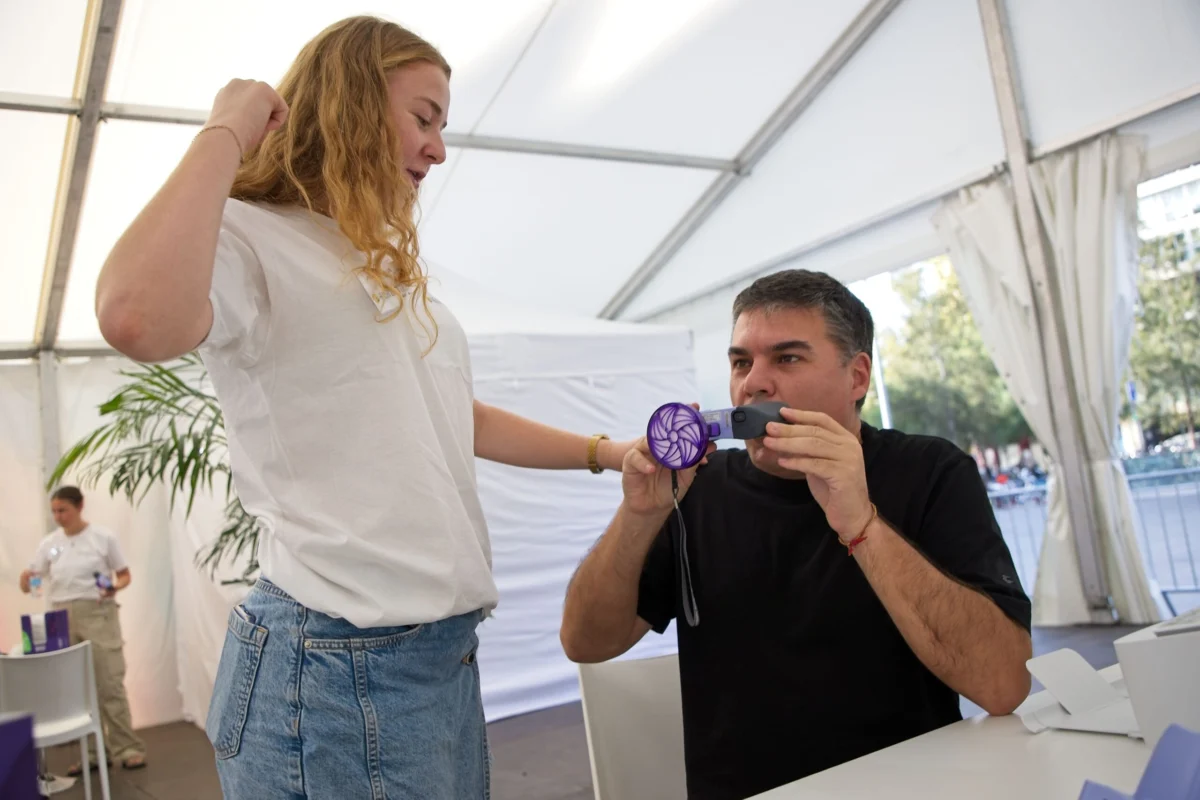
The event, which coincided with the high-profile ERS Congress 2026, transformed a central public space into a hub of medical expertise, education, and preventative care. Through free spirometry testing, expert consultations, and air quality awareness, the initiative sought to bridge the gap between complex respiratory research and the practical, everyday needs of the public.
The Core Mission: Bridging Science and Public Health
At its heart, the Healthy Lungs for Life campaign is built on the premise that respiratory health is a fundamental human right, yet one that is increasingly threatened by environmental factors. The Barcelona event served as a flagship activation for the program, which combines empirical evidence, public engagement, and systemic advocacy to foster healthier communities.
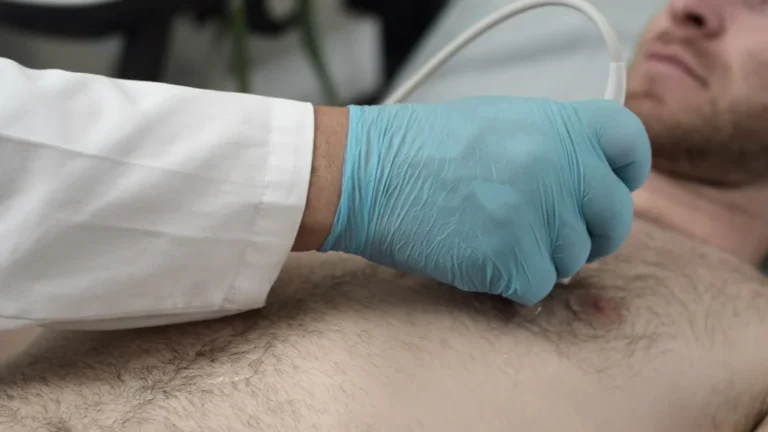
The initiative is not merely about identifying existing conditions; it is about building a culture of preventative lung care. By providing free, accessible spirometry tests—the gold standard for measuring lung function—the campaign empowers individuals to take ownership of their respiratory health before minor issues escalate into chronic diseases. With the support of the Clean Air Fund and a consortium of local healthcare stakeholders, the organizers demonstrated that when medical professionals engage directly with the public, the impact on health literacy is profound.
A Chronology of the Event: From Strategy to Action
The success of the Barcelona activation was the result of meticulous planning and strategic timing.
Pre-Event Coordination
Months of preparation led to the assembly of a multidisciplinary team, including representatives from ISGlobal, Vall d’Hebron University Hospital, and various patient advocacy groups like APEPOC and Fenaer. The goal was to create a "pop-up" clinical environment that was welcoming to the general public while maintaining the rigorous standards expected by the medical community.
The Launch: September 7, 2026
The event officially opened on International Day of Clean Air for Blue Skies. The symbolic choice of date was intentional, highlighting the inextricable link between the air we breathe and our long-term respiratory outcomes. The opening ceremony was led by Dimitris Kontopidis, 2023–2026 ELF Chair, and Dr. Judith García-Aymerich, Deputy Director of ISGlobal and former ERS Secretary General. Their presence underscored the event’s dual importance: serving the local population while providing a model for global health policy.
The Operational Day
Throughout the day, the event space remained a hive of activity. From early morning until the evening, queues of residents formed, eager to speak with pulmonologists and respiratory nurses. The flow of the event was carefully managed to ensure that every participant received not just a test result, but a consultation that explained what those results meant for their daily lives.
Post-Event Integration
Following the public event, the focus shifted to the ERS Congress, where a stakeholder meeting allowed international partners to analyze the success of the Barcelona model. This meeting acted as a knowledge-sharing platform, ensuring that the methodologies used in Spain—such as public outreach, media engagement, and private-public partnerships—could be replicated in other European cities.
Supporting Data and Public Engagement Metrics
The scale of the engagement was significant. Almost 300 individuals underwent spirometry testing, a remarkable turnout for a single-day event. However, the data collection went beyond basic lung function testing.
- Air Quality Awareness: Approximately 200 attendees utilized the Lovexair CheckAir tool. This digital resource allowed participants to assess their personal exposure to air pollutants, transforming abstract environmental statistics into tangible, personal data.
- Media Impact: The event generated substantial media coverage, amplifying the campaign’s message to thousands who were not physically present. By framing lung health as a matter of "clean air," the organizers successfully pivoted the conversation from clinical pathology to public environmental policy.
- The Schools Program: Looking toward the future, the initiative has already planned a rollout for October 2026 targeting local schools. By embedding the principles of lung health—such as the importance of physical activity, clean air, and smoking cessation—into the curriculum, the campaign is playing a long-term game of intergenerational health improvement.
Official Perspectives: Why This Matters
The leadership involved in the Healthy Lungs for Life campaign emphasizes that the event was as much about systemic change as it was about individual screening.
"The participation of the public in these events is a litmus test for policy change," noted one project coordinator. By demonstrating the public’s eagerness to engage with their health, the organizers provide policymakers with the political mandate to enact stricter air quality regulations.
Furthermore, the involvement of major institutions like the Barcelona Convention Bureau and the Hospital Clínic de Barcelona highlights the growing trend of "social prescribing," where healthcare systems look beyond the walls of the hospital to interact with the social and environmental determinants of health.
Implications for Future Policy and EU Screening Week
The Barcelona event is not an isolated incident; it is a blueprint for the upcoming EU Screening Week (28 September – 4 October 2026). The ERS and ELF are actively encouraging respiratory networks across the continent to host similar testing events.
The Call to Action for Professionals
The urgency of this mission is clear: respiratory diseases are a leading cause of morbidity across Europe. By integrating lung health checks into standardized health screenings, the medical community hopes to move from a reactive model to a proactive one.
For those interested in participating, the European Commission has provided a platform for registration, with a deadline of September 20. This registration is vital for ensuring that community-led events gain the formal recognition required to influence future European health directives.
A Holistic Vision for Lung Health
The implication of the Barcelona model is that health education must be multifaceted. The planned school programs, for instance, recognize that the habits formed in youth dictate the respiratory health of the elderly population decades later. By addressing air quality, lifestyle choices, and early detection simultaneously, the Healthy Lungs for Life campaign is creating a robust, multi-layered approach to wellness.
Conclusion: Sustaining the Momentum
The success of the Healthy Lungs for Life initiative in Barcelona serves as a profound reminder that health is a collaborative endeavor. When medical expertise is placed in the public square, and when the abstract dangers of air pollution are translated into actionable, personal advice, the result is a more informed and empowered populace.
As the campaign looks toward its next phase in schools and its wider implementation during EU Screening Week, the lessons learned in Plaça Universitat remain vital. The path to cleaner air and healthier lungs is paved with exactly this kind of grassroots engagement, sustained by the tireless work of healthcare professionals and the proactive participation of the public.
For the residents of Barcelona, the event was more than a check-up—it was a call to breathe easier by demanding better air and investing in the resilience of their own bodies. As the European respiratory community continues its efforts, the Barcelona model stands as a testament to what is possible when we stop waiting for patients to arrive at the clinic and instead take the clinic to the people.
Acknowledgements:
The Healthy Lungs for Life public event was made possible through the collaboration of the Barcelona Institute for Global Health (ISGlobal), Vall d’Hebron University Hospital, Barcelona Convention Bureau, University Hospital Arnau de Vilanova de Lleida, Hospital Clínic de Barcelona, Asthma and Allergy Spain, Separ Respira, Lovexair Foundation, Fenaer Pacientes, and APEPOC. Special gratitude is extended to ndd Medical Technologies for their generous provision of spirometry equipment.
To learn more about the Healthy Lungs for Life campaign, or to register an event for EU Screening Week, please visit the official ERS and ELF portals.