









The American Association for Respiratory Care (AARC) has long served as the bedrock of a profession that stands on the front lines of patient survival. At the apex of its professional recognition sits the Jimmy A. Young Award. Named in memory of the late AARC president—a man whose life was synonymous with the advancement of respiratory care—this accolade is not merely a plaque; it is a profound acknowledgment of individuals who have dedicated their entire careers to the elevation of the field.
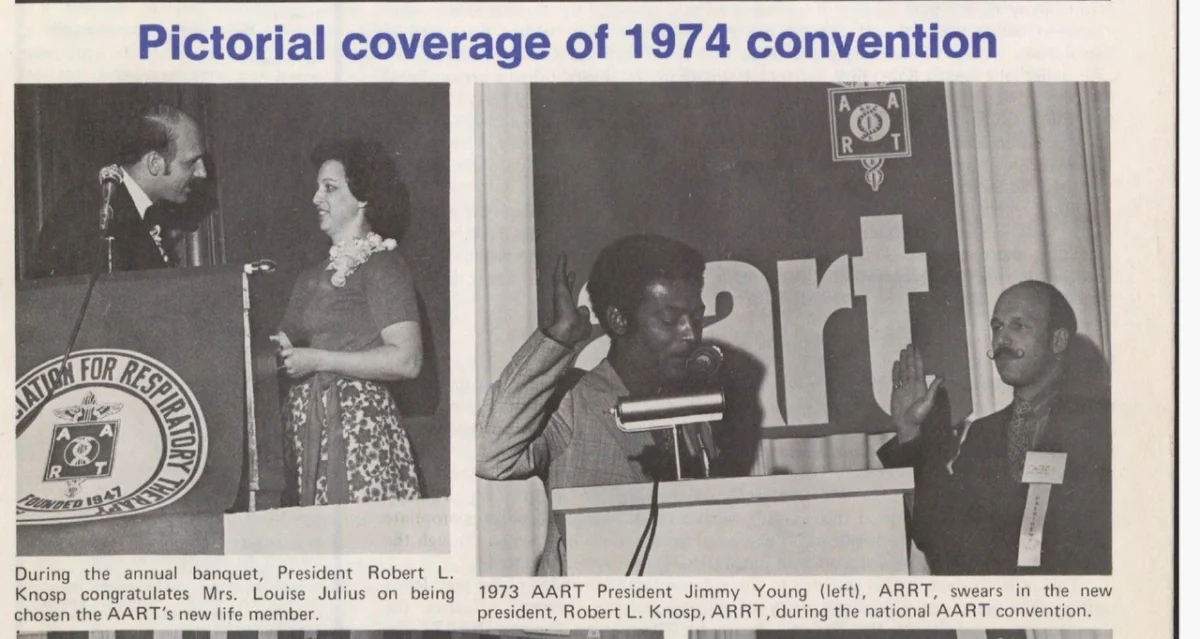
In a recent, unprecedented retrospective, AARC Director of Content and Communications Lisa Weisenberger facilitated a roundtable discussion featuring four of the five women to have ever received this prestigious honor: Dianne Lewis, MS, RRT, FAARC (2025); Trudy Watson, BS, RRT, FAARC (2018); Margaret Traband, MEd, RRT, FAARC (2011); and Teresa Volsko, MBA, MHHS, LSSBB, RRT, FAARC (2020). The fifth recipient, Louise Julius, earned the distinction in 1988 alongside her husband, John.
This historic assembly offered more than just a trip down memory lane; it provided a blueprint for leadership, advocacy, and clinical excellence in a high-stakes medical environment.
A Legacy of Service: The Foundation of Excellence
For the recipients of the Jimmy A. Young Award, the path to national recognition was never paved with the intent of winning accolades. Instead, it was built upon a bedrock of selfless, sustained service.
Dianne Lewis, the most recent recipient in the group, reflected on her early career, which was rooted deeply in the House of Delegates. She recounted the grueling but rewarding work of the Clinical Practice Guidelines Steering Committee, a body that fundamentally altered how respiratory care is delivered across the United States. "My group wrote and published the first clinical practice guideline for the association," Lewis noted. This milestone served as a cornerstone for standardizing care, ensuring that a patient in a rural clinic received the same evidence-based treatment as a patient in a top-tier metropolitan hospital.
Similarly, Margaret Traband, who joined the AARC in 1972, spoke of the organic growth of leadership. "We began with our state societies," Traband explained. "You don’t do it looking for what else you need to check off a list to get an award. You’re just moving ahead where you think you can do the most good." This philosophy of "service first" appears to be the common thread connecting these leaders; they focused on the work, and the recognition followed as a natural byproduct of their impact.
Breaking the Glass Ceiling: A Historical Perspective
The history of respiratory care is one of rapid evolution. While the field now boasts a demographic that is diverse and inclusive, the journey to the top of the organizational hierarchy was not always equitable.
The Shift in Leadership Culture
Teresa Volsko, reflecting on the environment of the late 1970s and early 1980s, noted that the professional landscape was far more exclusionary. "In 1979, if you were invited to the table, you didn’t dare bring another woman up with you because there was only one or two seats," Volsko explained. This scarcity mindset created a hyper-competitive environment that stifled collective progress.
Today, that paradigm has shifted entirely. The current leaders emphasized that they no longer view their positions as "the only one at the table." Instead, they see their roles as "table-expanders." Volsko added, "Now we have the power to change that landscape from being competitive to really lifting each other up." This transition from isolationism to mentorship is perhaps the most significant cultural shift in the history of the AARC.
Chronology of Recognition
To understand the significance of these women, one must look at the timeline of the Jimmy A. Young Award. Since its inception, the award has been dominated by male recipients, reflecting the historical gender gap in hospital administration and medical society leadership. When Louise Julius was recognized in 1988, it was a rare moment of inclusion. It would take over two decades before another woman, Margaret Traband, was selected in 2011. The subsequent recognition of Trudy Watson (2018), Teresa Volsko (2020), and Dianne Lewis (2025) suggests a concerted effort by the association to acknowledge the profound contributions of women in leadership roles.
Supporting Data: Why Representation Matters
The importance of this transition in leadership cannot be overstated. According to data provided during the retrospective, while women constitute a significant majority of the modern respiratory therapy workforce, the "leadership pipeline" was historically constricted.
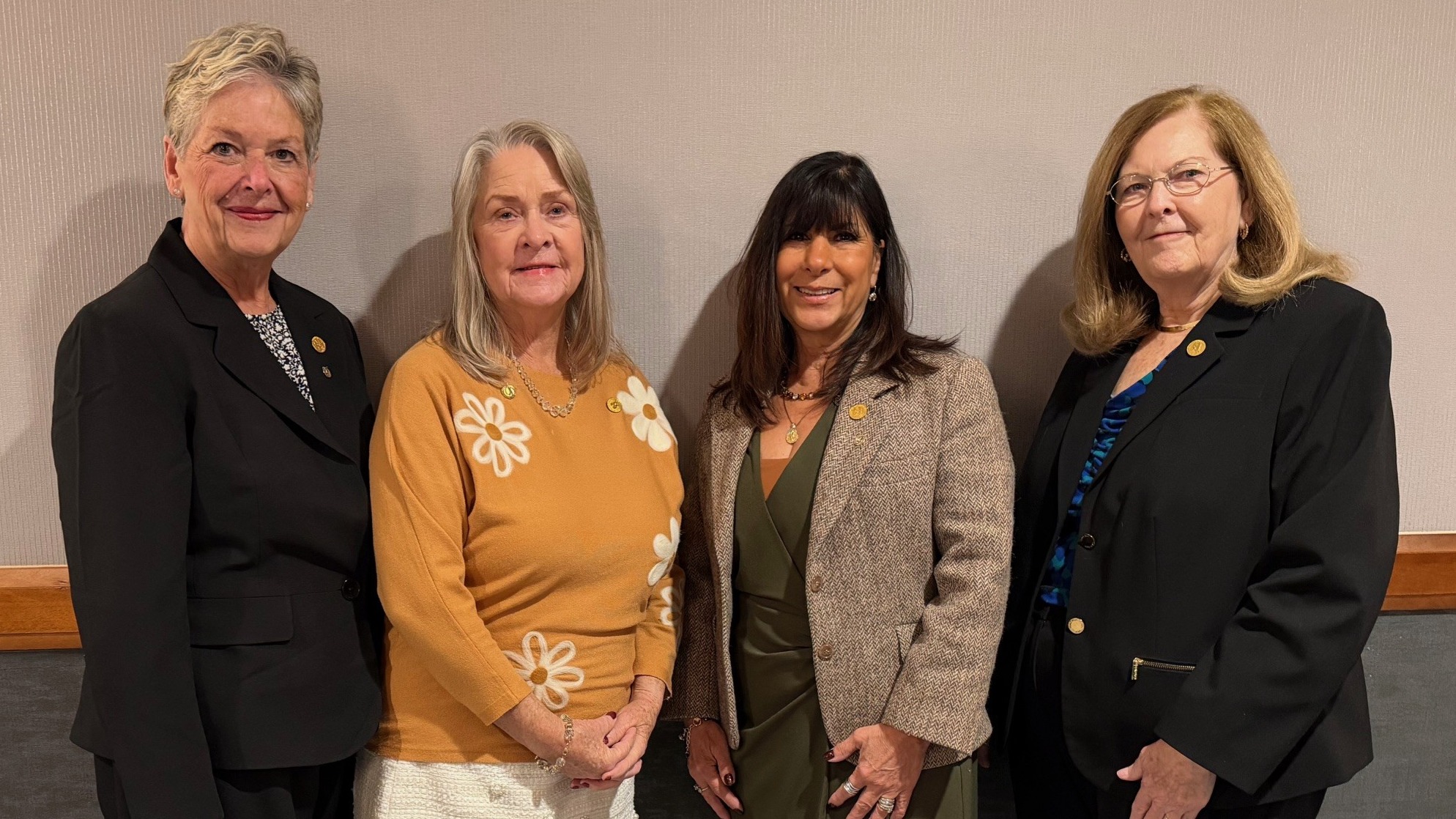
The panelists noted that visibility is the primary driver of recruitment. When young practitioners see women receiving the Jimmy A. Young Award, it validates their own career trajectories. By breaking through the "glass ceiling" of the 1980s, these four women have ensured that the next generation of respiratory therapists—regardless of gender—sees a clear path to the highest levels of the profession.
Official Responses and Strategic Advice for the Next Generation
During the discussion, the recipients provided a masterclass in professional development. Their advice to the next generation of Respiratory Therapists (RTs) was categorized into three essential pillars.
1. Master the Art of Networking
Trudy Watson emphasized that clinical skill alone is not enough to drive systemic change. One must be a known entity. "Get involved so your name is known and you are trusted within your own organization," Watson advised. She specifically encouraged RTs to bridge the gap between hospital walls and external bodies like the American Lung Association.
2. Be Over-Prepared
Margaret Traband highlighted the intellectual rigor required to be a leader. She reminisced about the "Journal Clubs" of the 1970s, where therapists would gather to debate the latest research. "Being over-prepared is status quo for most of us," she said. "You have to be well-versed, so you don’t come off half-prepared." This emphasis on lifelong learning remains a core tenet of the profession.
3. Lead from the Bedside
Perhaps the most poignant advice came from Teresa Volsko, who cautioned against waiting for a title to begin leading. "Don’t let the fact that you have the title of a clinical respiratory therapist stop you from doing great things," Volsko said. "Lead where you are." This underscores the belief that leadership is a set of behaviors, not a designation on a business card.
Implications: Addressing the Future of the Profession
The panel did not shy away from the existential challenges currently facing the respiratory care community. They identified two primary hurdles: the impending workforce shortage and the epidemic of post-pandemic burnout.
The Demand-Supply Gap
Dianne Lewis noted that the demand for RTs is projected to grow significantly over the next decade. However, as Watson pointed out, the challenge lies in "finding the students to fill the seats in the classroom." The aging population and the increasing complexity of respiratory diseases require a robust pipeline of new professionals, yet enrollment in many programs remains a point of concern.
Combating Burnout through Purpose
Burnout, exacerbated by the stressors of the COVID-19 pandemic, remains a critical threat to the retention of talented therapists. Traband offered a perspective that was both emotional and practical. "The further away you get from the bedside, the less positive reinforcement happens," she observed. She urged therapists to actively practice mindfulness at the end of their shifts. "Take the time to reflect at the end of the day. Know that you’ve alleviated breathlessness and calmed patients. Steep in that moment."
Conclusion: A Testament to Advocacy
The Jimmy A. Young Award is, in essence, a testament to the power of a life lived in service to others. As these four luminaries demonstrated, the future of respiratory care relies on a delicate balance: the technical precision required at the bedside, combined with the political and organizational courage to take a seat at the table.
For the next generation of RTs, the lesson is clear. Whether through standardizing clinical guidelines, mentoring junior staff, or simply being the most prepared person in the room, every therapist has the capacity to shape the profession. The journey of these women—from local societies to the highest honor in the field—serves as a reminder that while the path to leadership is demanding, it is a journey that changes not only the individual but the entire medical landscape.
As the industry looks toward the next decade, the contributions of Lewis, Watson, Traband, and Volsko will serve as a lighthouse. They have proven that with sustained dedication, a commitment to truth, and the courage to lift others as they climb, the respiratory care profession will continue to breathe new life into the patients it serves and the workforce that makes that care possible.