







As the global population ages, the search for non-pharmacological interventions to combat neurodegeneration has taken center stage in medical research. A burgeoning body of evidence suggests that what we put on our plates may be as vital to brain health as it is to cardiovascular longevity. A significant study recently published in the Journal of Neurology, Neurosurgery & Psychiatry provides compelling evidence that the MIND diet—a hybrid of the Mediterranean and DASH (Dietary Approaches to Stop Hypertension) eating plans—may act as a structural shield against the inevitable physical changes associated with an aging brain.
By analyzing two decades of data from the Framingham Heart Study Offspring cohort, researchers have identified a meaningful correlation between strict adherence to the MIND diet and the preservation of grey matter, as well as a reduction in the expansion of ventricular spaces within the brain. These findings offer a potential roadmap for slowing the biological clock of our most complex organ.
The Genesis of the MIND Diet
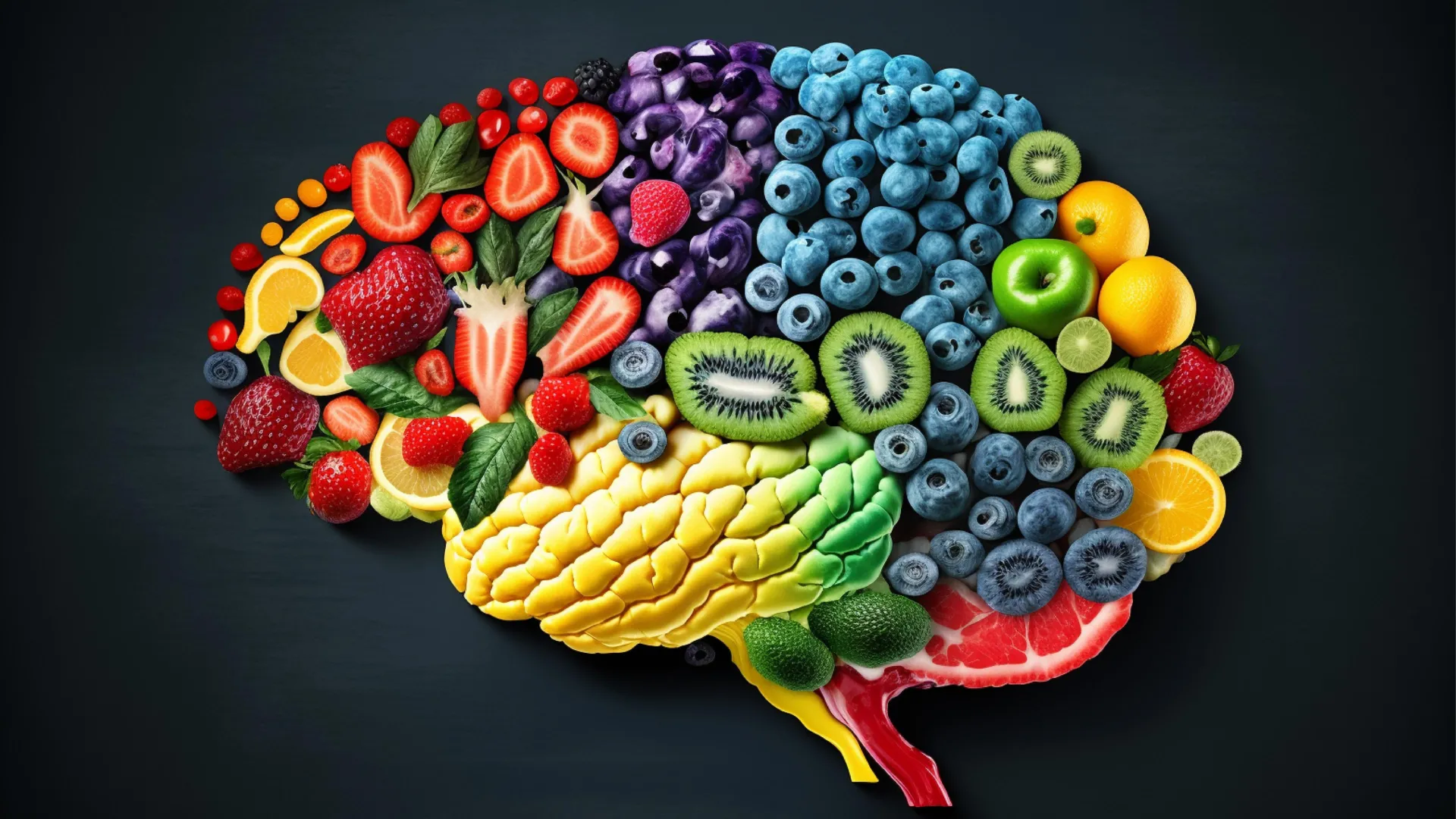
The "Mediterranean-DASH Intervention for Neurodegenerative Delay" (MIND) diet was specifically formulated to address the cognitive decline that precedes conditions like Alzheimer’s and Parkinson’s disease. Unlike generic healthy eating plans, the MIND diet is highly prescriptive. It emphasizes the consumption of brain-boosting staples: green leafy vegetables, a variety of other vegetables, berries, nuts, whole grains, fish, beans, olive oil, and poultry. Simultaneously, it explicitly advises against the intake of butter, margarine, cheese, red meat, fried fast foods, and sugar-laden pastries.
While its predecessor diets—the Mediterranean and the DASH—were primarily designed for heart health, the MIND diet was meticulously engineered to target the mechanisms of neurodegeneration, such as oxidative stress and systemic inflammation. Previous research has consistently linked the diet to improved cognitive performance; however, this latest study marks a critical shift in focus from cognitive function to actual physical brain structure.
A Longitudinal Investigation: Tracking the Aging Brain
To unravel the relationship between diet and brain anatomy, researchers turned to the Framingham Heart Study (FOS), a massive, multi-generational project that has provided unparalleled insights into human health.
Methodology and Study Scope
The research team tracked 1,647 middle-aged and older adults, with an average age of 60 at the study’s inception. The methodology was robust: participants underwent comprehensive health evaluations every four to eight years. Crucially, starting in 1999, researchers began conducting periodic MRI brain scans, with each participant receiving at least two assessments between 1999 and 2019.
Dietary habits were meticulously tracked using food frequency questionnaires (FFQs) collected during three specific windows: 1991–1995, 1995–1998, and 1998–2001. To ensure the study focused on healthy aging rather than established pathology, individuals who showed evidence of stroke or dementia at the time of their first MRI were excluded.
The Demographics of Adherence
The study revealed interesting trends regarding who adheres most closely to the MIND diet. Participants in the top third of the MIND adherence scores were more likely to be women and individuals with higher levels of education. Furthermore, these high-adherents were statistically less likely to smoke or struggle with obesity. They also displayed lower baseline rates of metabolic and cardiovascular conditions, such as type 2 diabetes and hypertension—diseases that are known to impair microvascular health within the brain.
Supporting Data: The Anatomy of Decline
Over an average follow-up period of 12 years, the MRI data painted a vivid picture of the aging process. As expected, the group showed a steady decline in total brain volume, specifically in grey matter (responsible for information processing and decision-making), white matter, and hippocampal volume (the seat of memory). Conversely, there was a predictable expansion in cerebrospinal fluid and ventricular volume, as well as an increase in "white matter hyperintensities"—bright spots on an MRI that serve as tell-tale signs of chronic tissue damage.
The Protective Effect of the MIND Diet
The researchers discovered that those who scored higher on the MIND diet index experienced significantly slower rates of these degenerative changes.
- Grey Matter Preservation: For every three-point increase in a participant’s MIND diet score, the rate of grey matter loss was slowed by 0.279 cm³ per year. In clinical terms, this equates to 20% less age-related decline, or roughly 2.5 years of "delayed" brain aging.
- Ventricular Control: Ventricular expansion, which occurs as brain tissue shrinks, was also mitigated. A three-point increase in the diet score was linked to a slower expansion of ventricular volume by 0.071 cm³ per year—an 8% reduction in atrophy, effectively stalling brain aging by one year.
Dietary Drivers: The Role of Specific Foods
The study highlighted that not all food groups contribute equally to these protective effects. Berries and poultry emerged as the "star" performers. Increased berry intake was strongly associated with slower ventricular expansion, while poultry consumption was linked to both slower ventricular enlargement and the preservation of grey matter.
The researchers hypothesize that these foods are rich in antioxidants and high-quality proteins that combat oxidative stress. Conversely, the study found that high consumption of fried fast foods—often packed with trans fats and advanced glycation end-products—was linked to faster hippocampal atrophy. These foods are known catalysts for systemic inflammation, which can degrade the vascular integrity of the brain over time.
Unexpected Anomalies
Science rarely provides linear results, and this study was no exception. Interestingly, higher whole grain intake was associated with faster losses of grey matter and hippocampal volume, a finding that contradicts current nutritional wisdom and warrants further investigation. Conversely, cheese consumption appeared to be associated with slower declines in brain volume and fewer white matter hyperintensities. Researchers are currently debating whether these anomalies are a result of confounding lifestyle variables or if there are specific bioactive compounds in these foods that interact with the brain in ways we do not yet fully understand.
Implications for Public Health
The strength of these findings appears to be magnified in older populations and those who maintain high levels of physical activity. This suggests that the MIND diet is not a "magic bullet," but rather a powerful component of a holistic lifestyle strategy.
Why the MIND Diet Matters
The implications are profound. If we can delay the structural atrophy of the brain by even a few years, we may be able to significantly shift the onset of neurodegenerative diseases. For an aging society, the difference between a decline that begins at 75 versus one that begins at 80 is not just measured in numbers, but in years of independence, quality of life, and cognitive autonomy.
A Call for Nuance
However, the researchers are quick to urge caution. As this was an observational study, it cannot definitively prove that the MIND diet caused the structural preservation of the brain; it is possible that individuals with naturally healthier brains were more inclined to adopt healthier diets. Furthermore, because the study cohort was predominantly White, the findings may not be universally generalizable to all ethnic backgrounds, which often have different dietary traditions and genetic predispositions.
Conclusion: Looking Ahead
The findings from the Journal of Neurology, Neurosurgery & Psychiatry provide a robust scientific foundation for the continued promotion of the MIND diet as a primary strategy for healthy aging. While further clinical trials are necessary to confirm these results across diverse populations and to tease out the specific physiological mechanisms at play, the evidence is clear: the path to a healthier brain is paved with a diet rich in plant-based nutrients and lean proteins.
As we continue to navigate an era where dementia and cognitive decline represent some of the most significant challenges to modern medicine, the MIND diet offers a simple, accessible, and scientifically grounded tool for everyone to take control of their own neurological future. The data suggests that by making informed choices at the grocery store today, we may well be investing in the structural integrity of our minds for the decades to come.