



August 20, 2026 | By Lauren Belsky
As the calendar turns to August 21, the world pauses to observe a significant occasion: World Senior Citizens Day. This annual celebration serves as a vital reminder of the indispensable roles that older adults play in the fabric of our society. Beyond merely acknowledging the passage of time, this day is a call to action—a moment to reflect on the wisdom, resilience, and enduring contributions of the generations that paved the way for our present. From the preservation of history to the mentorship of the youth, older adults remain the bedrock of our communities.
The Genesis of a Global Observance: A Chronology
The origins of World Senior Citizens Day are rooted in a movement to shift the societal narrative surrounding aging. While cultures throughout history have traditionally held elders in high regard, the mid-20th century saw a shift toward a more youth-centric industrial society.
The turning point for a formalized national observance in the United States occurred in 1988. President Ronald Reagan, recognizing that the aging population was expanding and that their needs and contributions were evolving, signed a proclamation to establish a day dedicated to older citizens. In his address, he emphasized that for all they have achieved throughout their lives and for all they continue to accomplish, they deserve our gratitude and our unwavering support.
The inaugural celebration took place on August 21, 1991. Since then, the day has evolved from a simple commemorative event into a global platform. Today, it serves as an opportunity for policymakers, healthcare providers, and community organizers to address the specific challenges facing the elderly, including social isolation, healthcare access, and ageism, while simultaneously celebrating their lived experiences.
The Science of Connection: Why Engagement Matters
Recent advancements in gerontology and neuropsychiatry have shed new light on why social and community engagement is not just a "nice-to-have," but a fundamental pillar of healthy aging.
Loneliness and social isolation are increasingly recognized by the medical community as significant health risks, often compared in severity to the health impacts of smoking or obesity. According to research from the National Institute on Aging (NIA), maintaining a robust social network is a critical factor in staving off cognitive decline and neuropsychiatric symptoms like depression and anxiety.
The Neuro-Socio-Emotional Link
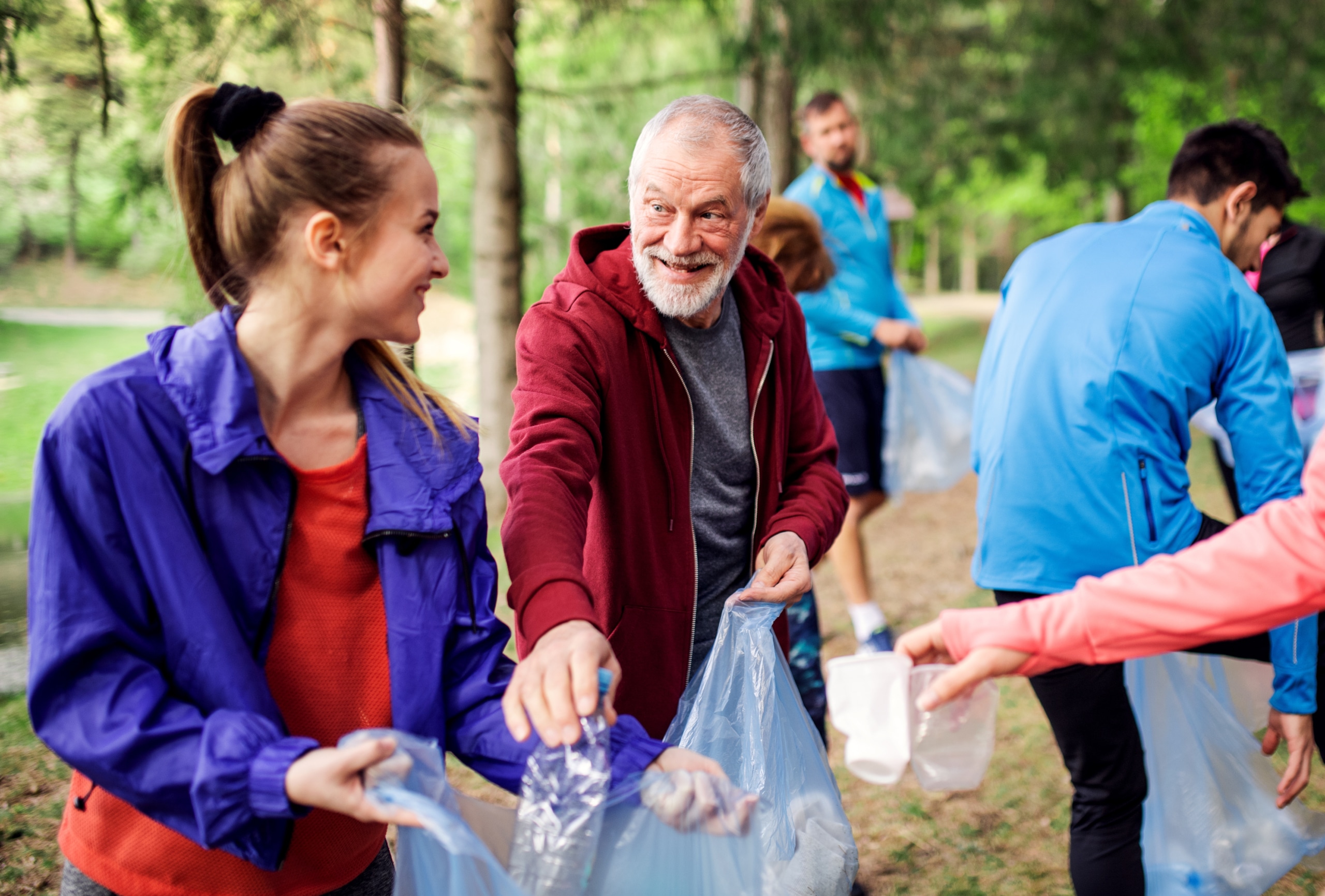
Staying active—physically, cognitively, and socioemotionally—is the trifecta of healthy aging. When older adults participate in activities that provide a sense of purpose, the brain’s neuroplasticity is supported. Whether through volunteering, learning a new skill, or maintaining active relationships with family and peers, these engagements stimulate the production of brain-derived neurotrophic factor (BDNF), a protein that supports the survival of existing neurons and encourages the growth of new ones.
Furthermore, a study highlighted by Harvard Medical School suggests that broader social interaction helps older adults maintain more active lifestyles. This, in turn, minimizes the risk of chronic diseases such as cardiovascular issues, hypertension, and Type 2 diabetes. The correlation is clear: those who feel connected to their community tend to enjoy a higher quality of life and a greater sense of belonging, which is directly linked to increased longevity.
Implications for Public Health and Policy
The celebration of World Senior Citizens Day is not merely a social gesture; it has profound implications for public health policy. As the global population continues to "gray," governments are being forced to rethink how they structure urban environments, healthcare systems, and social support networks.
Combating Ageism
One of the most significant barriers to healthy aging is the pervasive nature of ageism. By reframing aging as a period of continued growth rather than decline, we can dismantle the systemic biases that often push older adults to the margins of society. When communities invest in age-friendly infrastructure—such as accessible transportation, intergenerational housing programs, and accessible public spaces—they facilitate the ongoing participation of seniors in the workforce, arts, and civic life.
Economic and Civic Contributions
Older adults are significant drivers of the economy and civil society. Many retirees continue to contribute through volunteerism, which provides billions of dollars in economic value annually. Furthermore, the transfer of knowledge from older generations to younger ones—a phenomenon often referred to as "intergenerational capital"—is essential for societal stability and progress. Policies that support active aging, therefore, are not just "senior issues"; they are essential components of a healthy, functioning national economy.
Practical Ways to Honor and Engage
As we observe World Senior Citizens Day 2026, it is important to bridge the gap between policy-level advocacy and individual action. True celebration comes from small, meaningful interactions.
For Families and Friends: Thoughtful Gestures
- Digital Connectivity: For seniors who may have mobility issues, bridging the digital divide is paramount. Spending time teaching a loved one to use video calling software or sharing digital photo albums can alleviate feelings of isolation.
- Active Listening: The most valuable gift one can offer is time. Engaging in "life review" conversations—asking about their history, their lessons learned, and their stories—not only validates their life experience but also strengthens familial bonds.
- Inclusive Activities: Rather than planning events for seniors, plan them with them. Whether it’s a shared meal, a walk in a local park, or a visit to a museum, ensuring the activity is accessible and enjoyable for all generations fosters a sense of inclusion.
For the Community: Fostering Integration
- Intergenerational Volunteering: Organizations should prioritize programs that pair older adults with younger students or professionals. This facilitates mentorship and breaks down generational silos.
- Community Skill-Sharing: Libraries and community centers can host workshops where seniors lead classes on everything from gardening and cooking to coding and history. This reinforces the role of the older adult as a contributor and expert.
- Accessibility Advocacy: Local businesses and governments should take this day to audit their spaces. Are they truly accessible to those with varying physical abilities? Simple changes like improved lighting, seating, and clear signage can make a community more welcoming to everyone.
The Future of Aging: A Call to Action
As we look toward the future, the Alliance for Aging Research remains committed to the goal of ensuring that every person has the opportunity to age with dignity, health, and purpose. The extraordinary accomplishments of older adults have shaped the world we call home, and it is our collective responsibility to ensure that the communities of tomorrow remain inclusive of these vital contributors.
While we are pleased to dedicate August 21 to the celebration of our senior citizens, the work of honoring them must occur every day of the year. By recognizing their value, investing in their health, and creating spaces where they can thrive, we are not just supporting the elderly; we are investing in the future of our entire society.
As we mark this year’s World Senior Citizens Day, let us commit to looking beyond the stereotypes of aging. Let us see the individuals, the mentors, the caregivers, and the leaders who continue to make an incredible mark on our world. Their wisdom is our greatest asset, and their well-being is the truest measure of our society’s health.
Lauren Belsky serves as the Development Coordinator for the Alliance for Aging Research, a nonprofit organization dedicated to accelerating the pace of scientific discovery and improving the universal human experience of aging.