








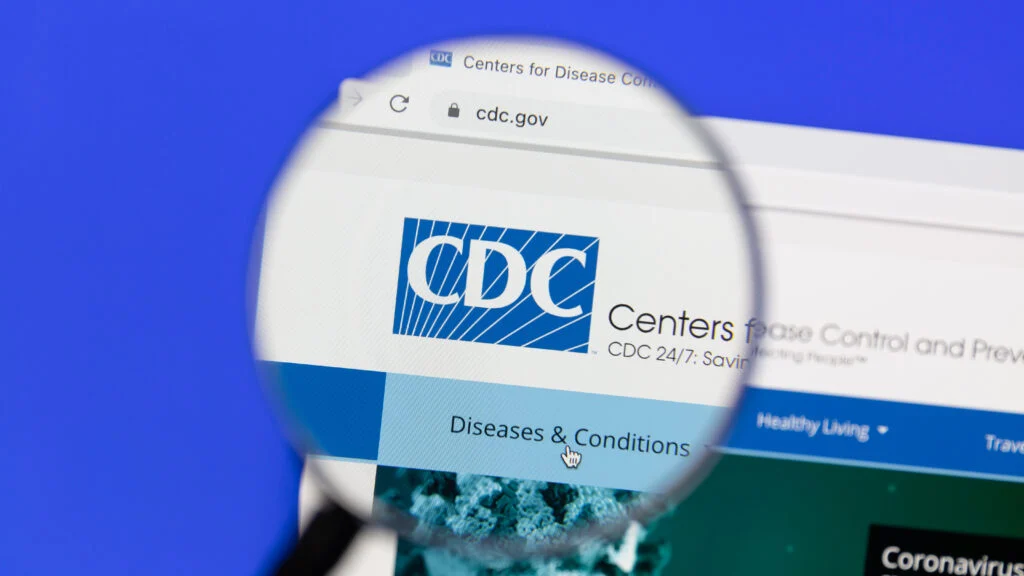
In the complex architecture of federal public health policy, the National Health Interview Survey (NHIS) has served as the bedrock of American demographic health data since 1957. For nearly seven decades, this annual survey has provided the evidence base necessary for researchers to identify health disparities, for policymakers to allocate resources, and for public health officials to target interventions. However, a sweeping redesign of the survey proposed by the Centers for Disease Control and Prevention (CDC) has ignited a firestorm of criticism, with disability advocates warning that the changes will effectively render millions of Americans with intellectual and developmental disabilities (IDD) invisible to their own government.
The proposed overhaul, which aims to slash the number of questions on the adult questionnaire from 482 to 150, strikes critical inquiries regarding mobility aids, hearing loss, cognitive function, and fatigue. To many in the disability community, this is not merely a bureaucratic streamlining effort—it is a systematic erasure of a vulnerable population that already suffers from some of the nation’s most severe health disparities.
The Core Conflict: Data Reduction vs. Public Health Needs
The tension at the heart of this controversy is between fiscal austerity and the constitutional necessity of representative data. A spokesperson for the Department of Health and Human Services (HHS) confirmed that the primary driver for the survey’s reduction in scope is the need to lower the cost of data collection.
However, advocates argue that the cost of “blind” policy is far higher. Katy Neas, CEO of The Arc, the nation’s largest community-based organization for people with intellectual and developmental disabilities, described the proposal as a “head-scratcher.”
“If we don’t have the government as a trusted source of data, asking questions about real people and what their real experiences are, we’re never going to get better health outcomes,” Neas said. “Data collection isn’t that sexy, but it’s absolutely essential for decision-making. If we don’t have real information, how are we supposed to make a decision that could either help or not help somebody?”
The impact of this decision directly contradicts the stated mission of Health Secretary Robert F. Kennedy Jr., who has frequently emphasized a commitment to reducing the national burden of chronic disease. Adults with intellectual and developmental disabilities face significantly higher rates of chronic conditions, including heart disease, obesity, and diabetes, than the general population. By removing the very questions that allow the CDC to track these health markers within the disability community, the government is effectively turning off the lights in a room where it is trying to solve a crisis.
A Chronology of the Overhaul
The push to restructure the NHIS began in earnest in August, when the CDC’s National Center for Health Statistics (NCHS) unveiled plans for the redesign. The survey, which targets approximately 25,000 households annually, has historically been criticized for its limitations in tracking the disability community. Even under the existing format, research suggests that the survey misses roughly 75% of people with intellectual and developmental disabilities.
The chronology of the current proposal reflects a rapid shift in agency priorities:
- August 2024: The NCHS announces a comprehensive overhaul of the NHIS, citing the need to reduce respondent burden and lower collection costs.
- Early 2025: Internal memos from the CDC suggest staff are aware of the limitations created by the new format. Stephen Blumberg, the director of the division overseeing the survey, admitted in a formal memo that the redesign fails to provide the “desired depth of information” on topics specifically mandated by authorizing legislation, including functioning and disability status.
- Late 2025 – Present: As details of the 150-question limit become public, advocacy groups like The Arc and academic researchers begin a vocal campaign to halt the implementation, labeling the move a “death by a thousand cuts” for disability health research.
The Statistical Gap: Why Accuracy Matters
The current methodology of the NHIS primarily captures functional disabilities—questions regarding whether an individual can see, hear, or walk. Yet, these questions have long been viewed as insufficient for capturing the nuances of the IDD population.
The consequences of this data gap are life-and-death. A 2024 study authored by Scott Landes, a sociology professor at Syracuse University, utilized existing NHIS data to demonstrate that people with a “self-care disability”—defined as individuals who struggle with the basic tasks of daily living, such as bathing or dressing—suffer from the highest mortality rates in the country.
“It feels as if our government doesn’t care about the well-being of disabled people, doesn’t care about the well-being of folks with some of the worst health outcomes,” said Landes, who identifies as a person with multiple disabilities, including low vision. “It seems like we would want more information, not less.”
By striking questions about mobility supports like wheelchairs and scooters, as well as cognitive health, the CDC is not just failing to count people; it is failing to account for the specific environmental and social barriers that lead to premature death in the disabled community. As Landes succinctly put it, “You’re making us choose between bad and worse.”
Implications for Policy and Civil Rights
The implications of this redesign extend far beyond academic research. In the United States, federal funding for disability support services—ranging from Medicaid waivers to housing and educational grants—is often predicated on demographic data collected by agencies like the CDC and the Census Bureau. If the CDC’s data suggests that fewer people have disabilities, or that their needs are less severe than they actually are, the legislative case for funding those services becomes increasingly difficult to make.
Jean Hall, a disability scholar and professor emerita at the University of Kansas, views the survey change within the context of a broader pattern. “It just feels like there’s one hit after another,” Hall said, pointing to recent administration actions, such as the layoffs of federal workers with disabilities and the rolling back of protections for community-based living. “This particular hit would make it so that we know less about who is disabled in America and what their experiences are, and therefore we don’t have to worry about providing programs or supports for them.”
This sentiment is echoed by those who view the survey redesign as a political maneuver. When a government agency stops asking about a specific group, it effectively stops acknowledging that group’s existence in the public ledger. By silencing the data, the administration creates a vacuum that is inevitably filled by neglect.
The Path Forward: Can the Redesign Be Halted?
As of now, the CDC has provided little clarity on whether it will reconsider the 150-question limit in light of the outcry from the disability community. The HHS spokesperson maintained that the decision was driven by cost, but failed to address why other, less critical categories of data were not prioritized for reduction over disability-related metrics.
For the disability community, the strategy moving forward is twofold: intensifying public pressure on the Department of Health and Human Services and lobbying Congress to intervene. Given that the NCHS’s own director acknowledged the survey would no longer meet the requirements set out in its authorizing legislation, there is a strong legal and procedural argument for a stay on the implementation.
Ultimately, the dispute over the NHIS is a fight for the right to be counted. In a democratic society, public health data is the foundational document of a population’s well-being. By stripping away the tools used to identify and assist those with the greatest needs, the government risks abandoning its duty to provide for its most vulnerable citizens.
As Katy Neas noted, “We are talking about real people, real lives, and real health outcomes. If we choose to look away, we cannot be surprised when the health of our nation suffers.”
STAT’s coverage of disability issues is supported by grants from the Robert Wood Johnson Foundation and The Commonwealth Fund. These financial supporters have no involvement in the editorial decisions or the content of this journalism.